 Image 1 of 4
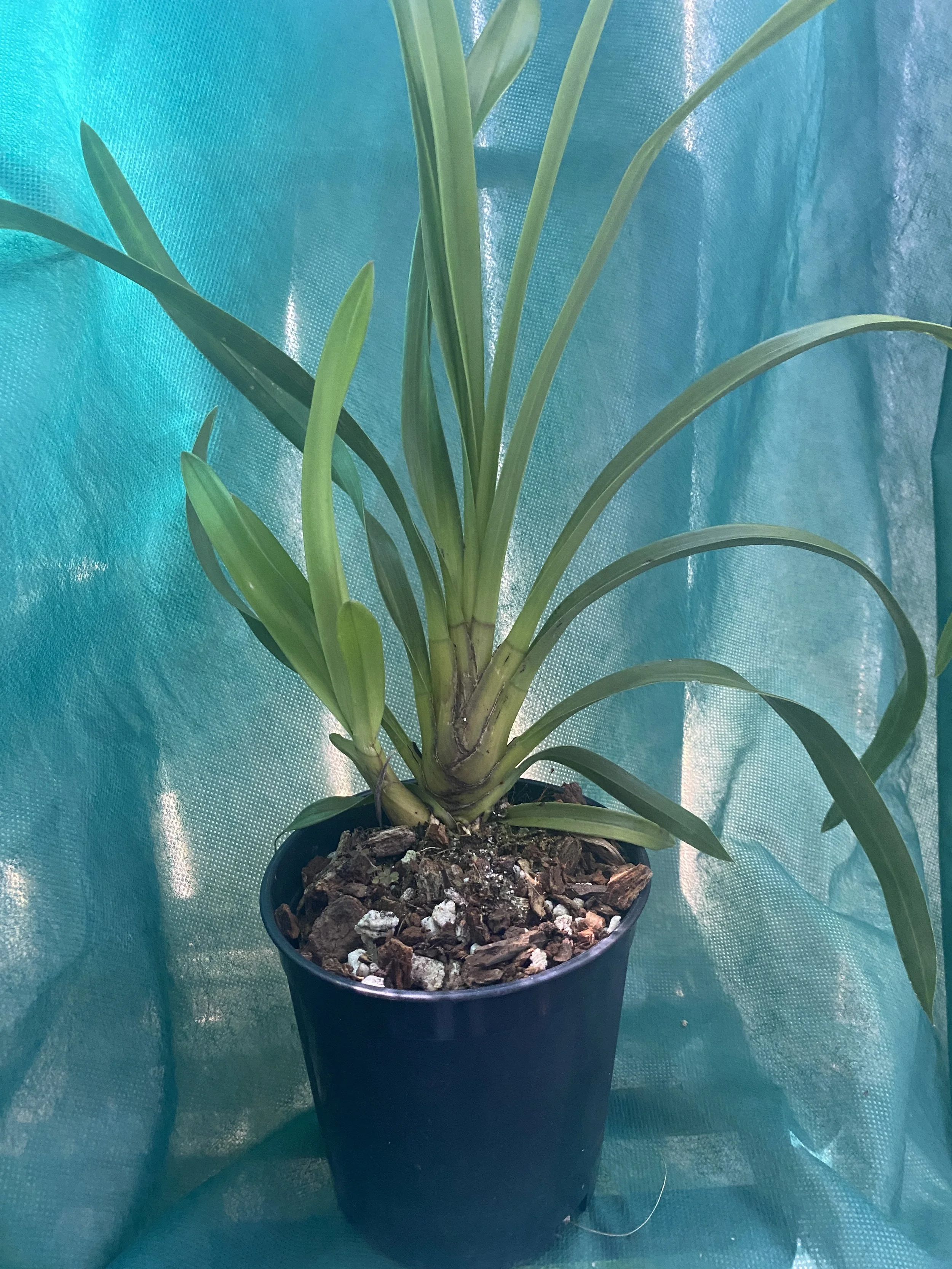 Image 2 of 4
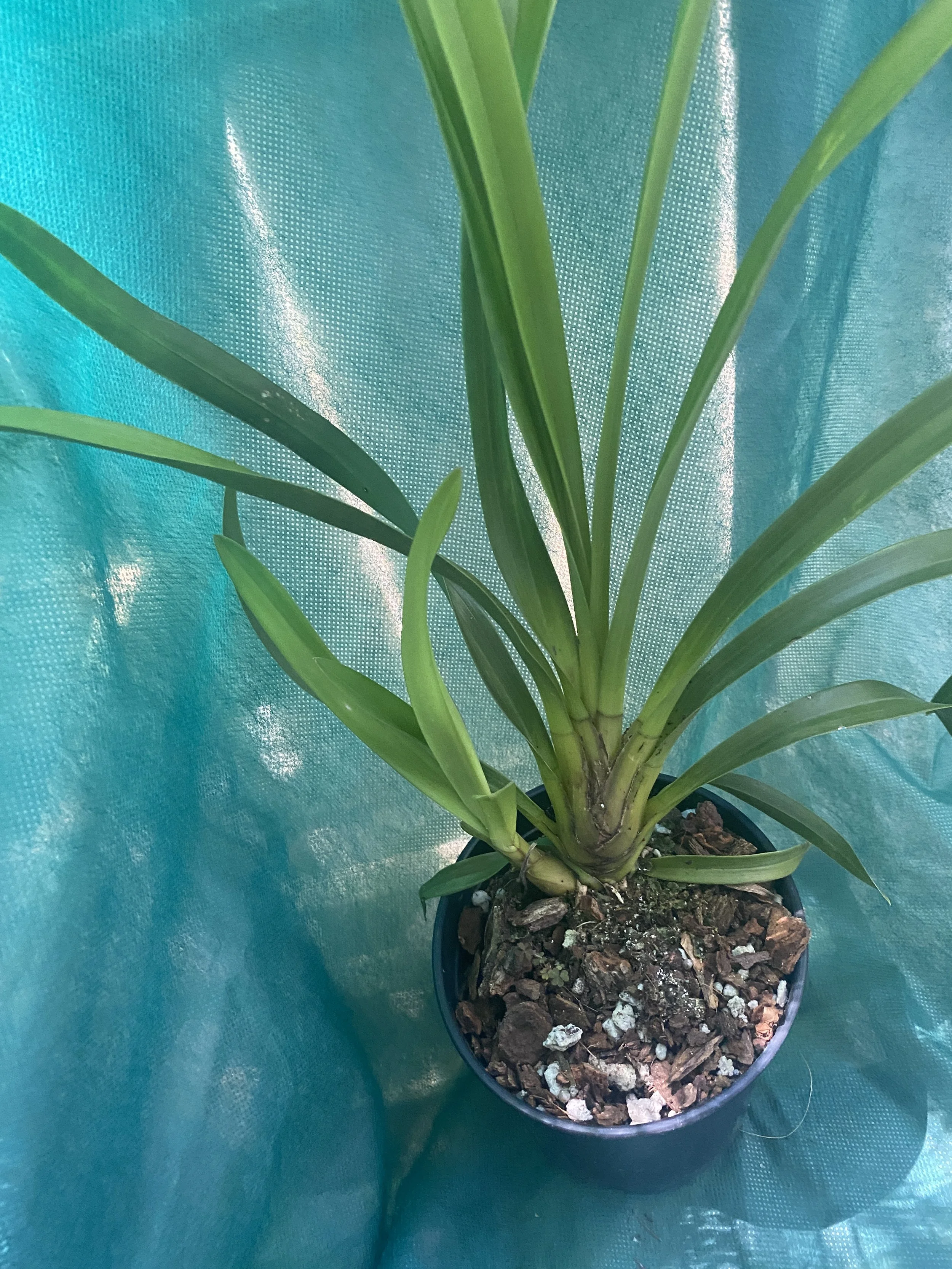 Image 3 of 4
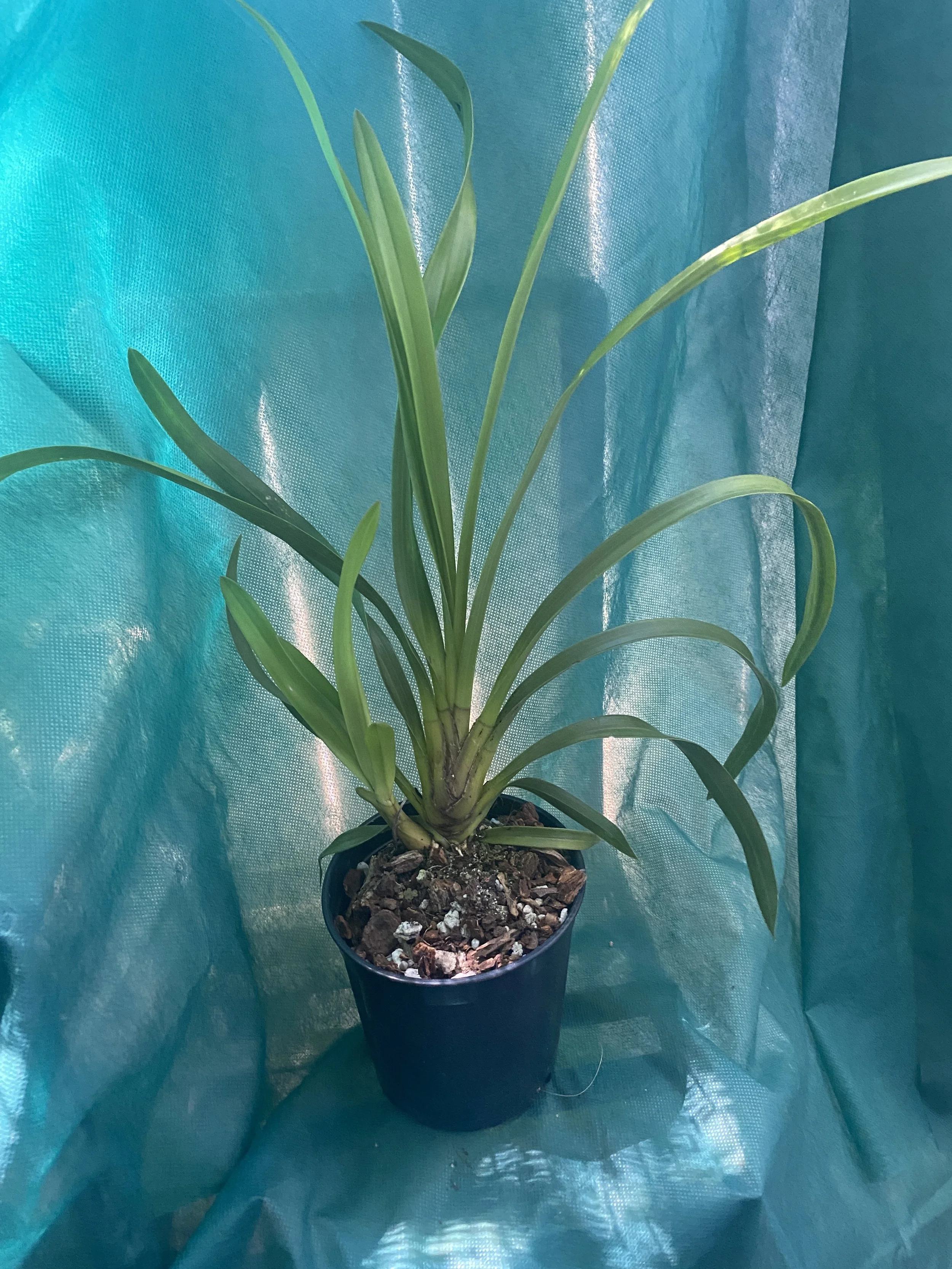 Image 4 of 4
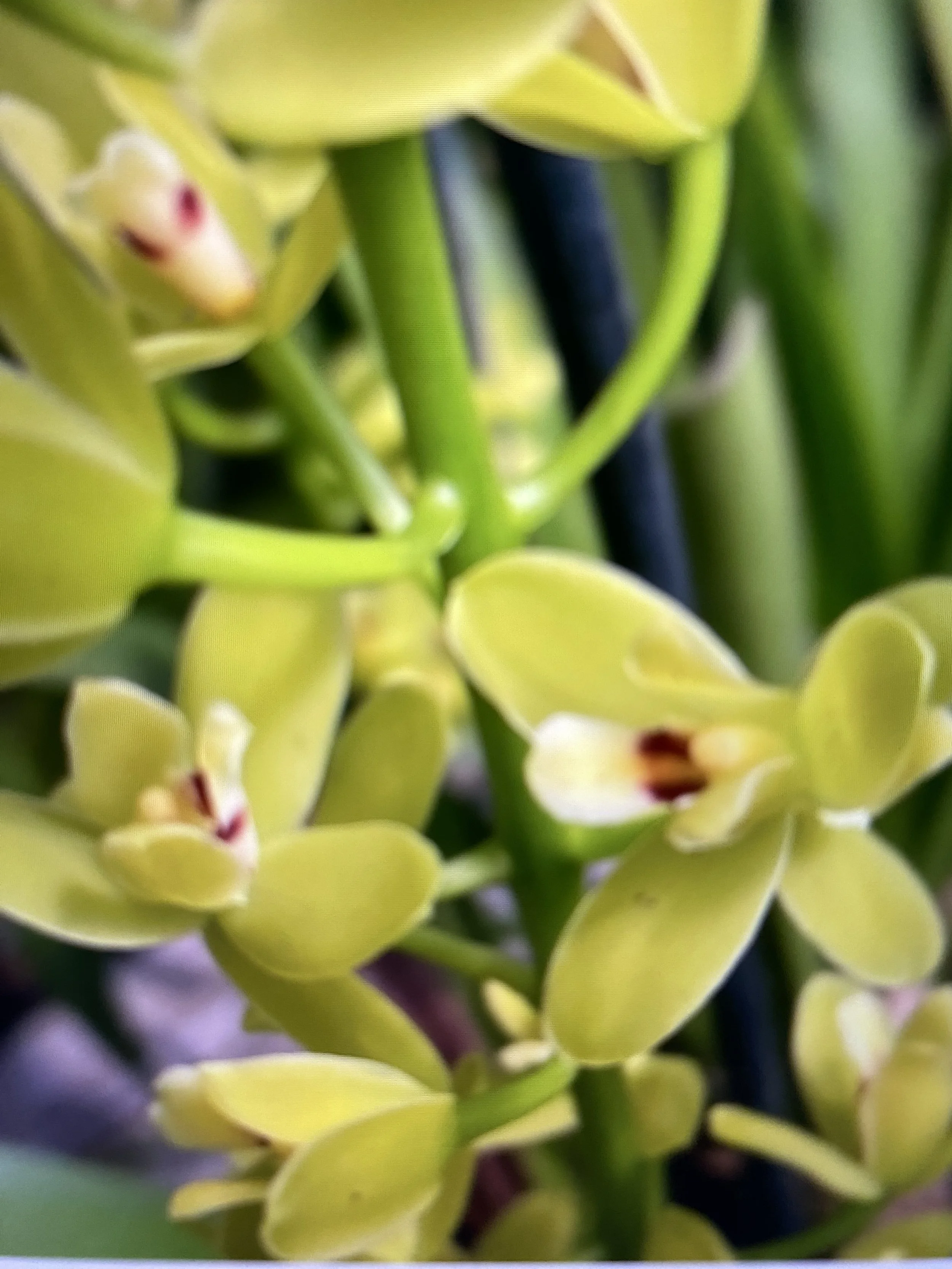
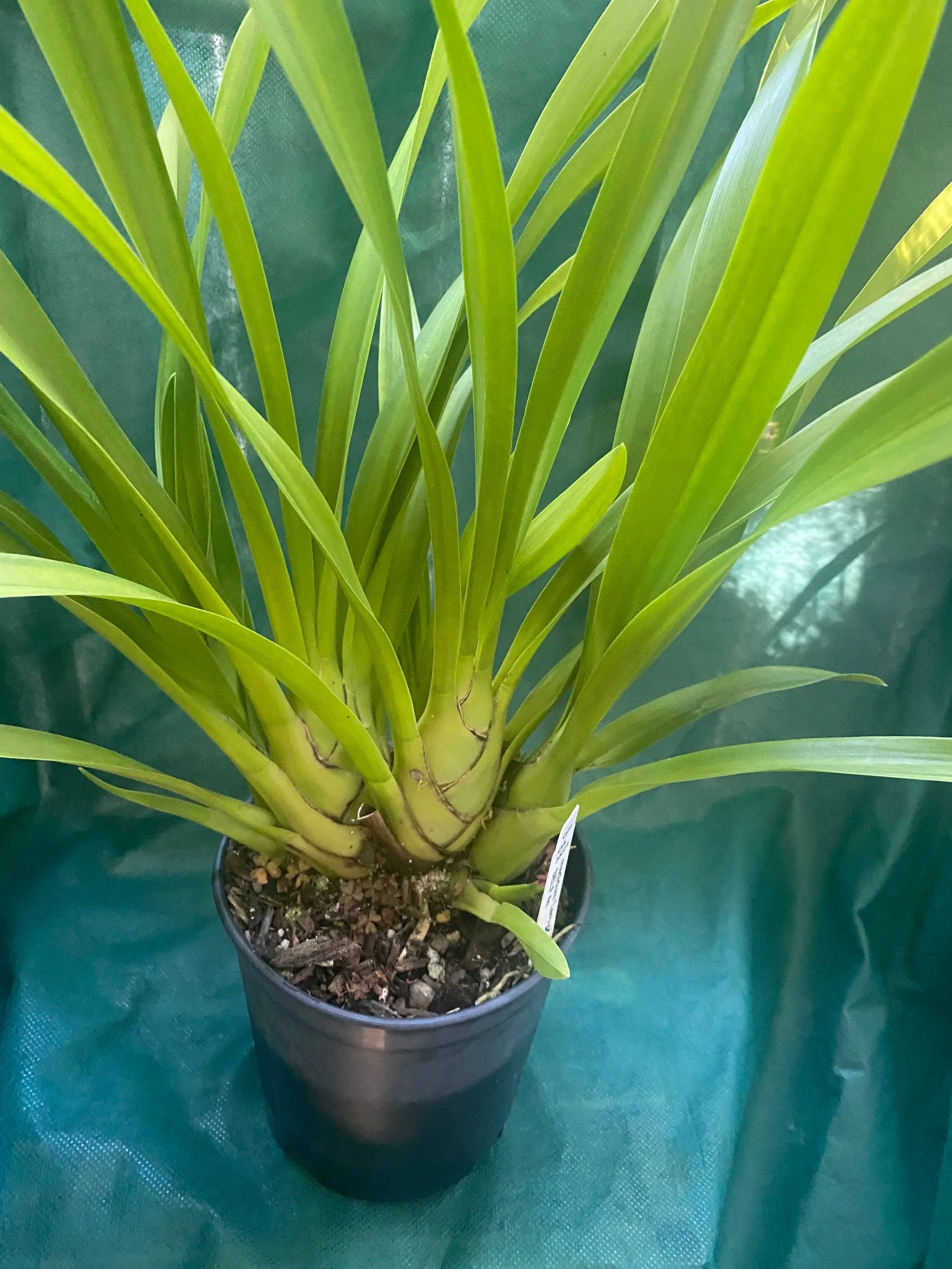
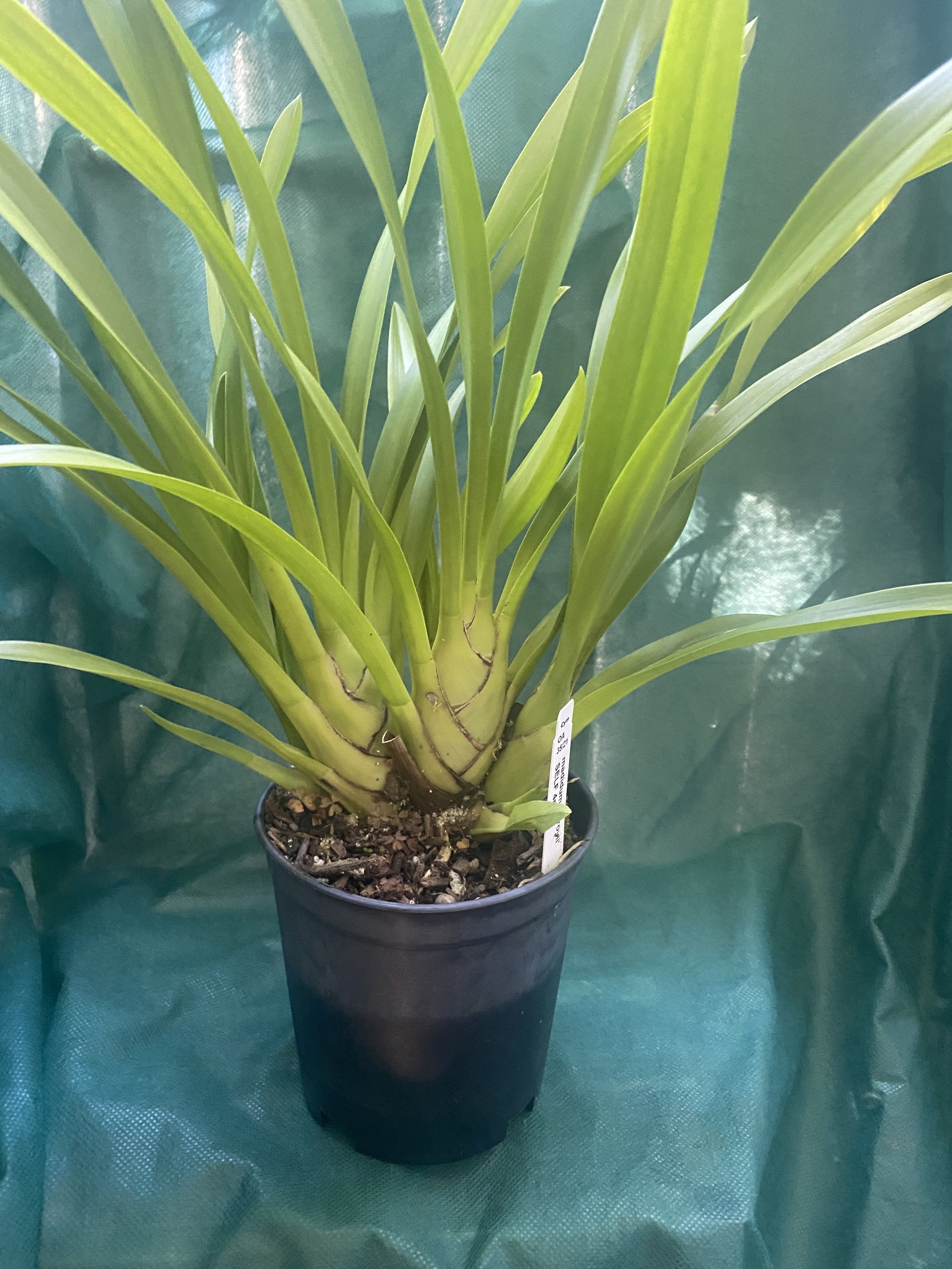
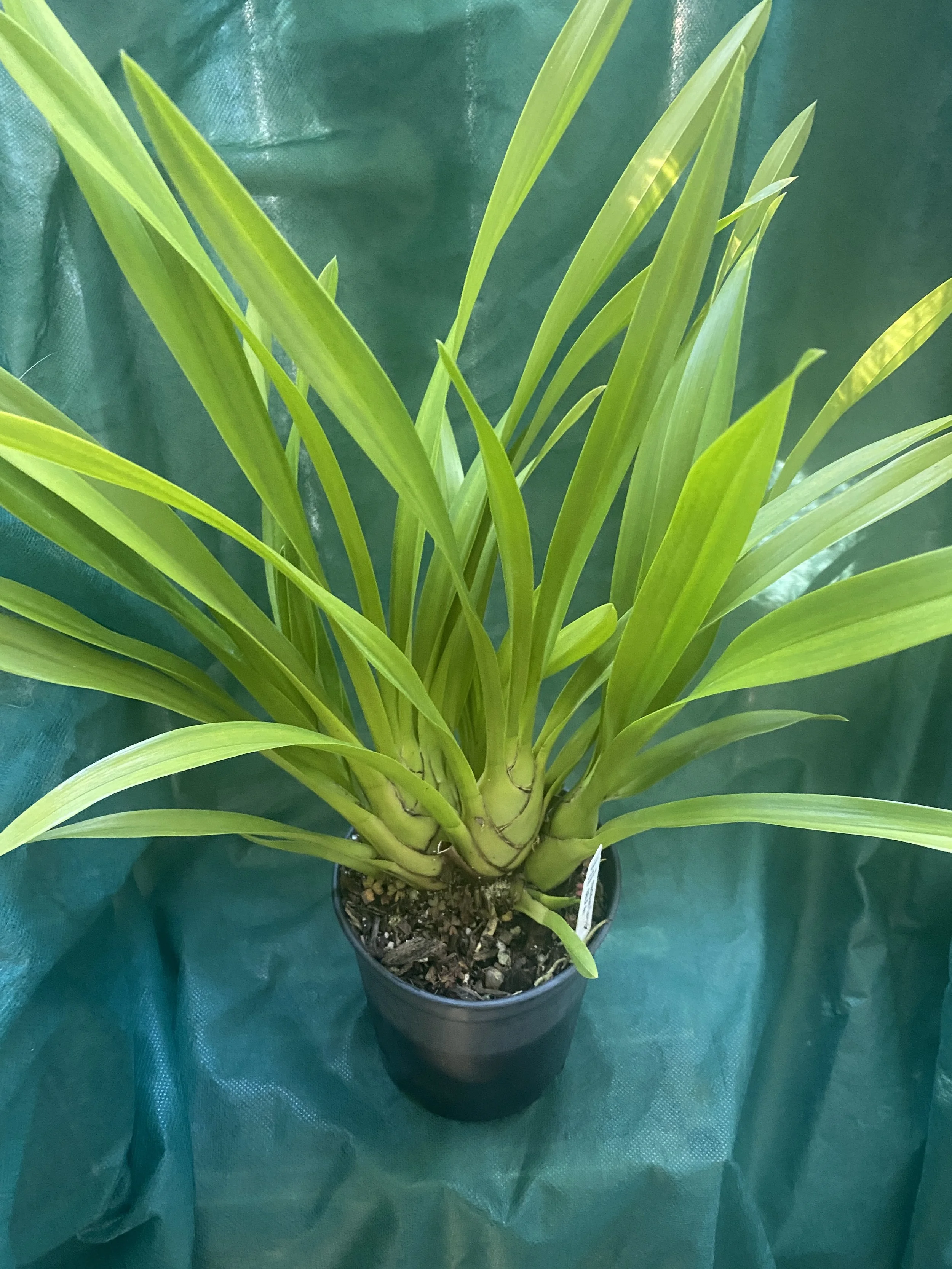
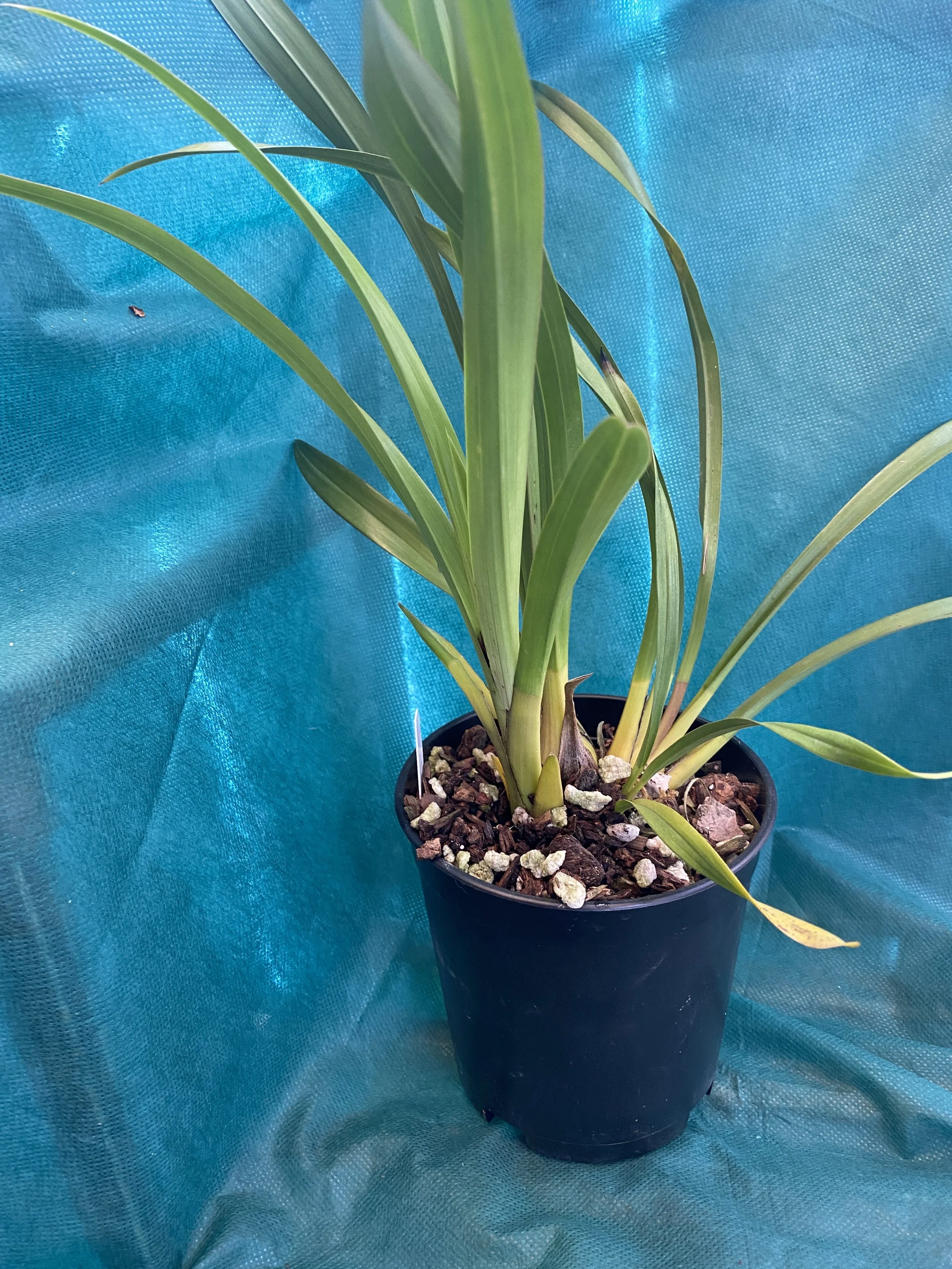
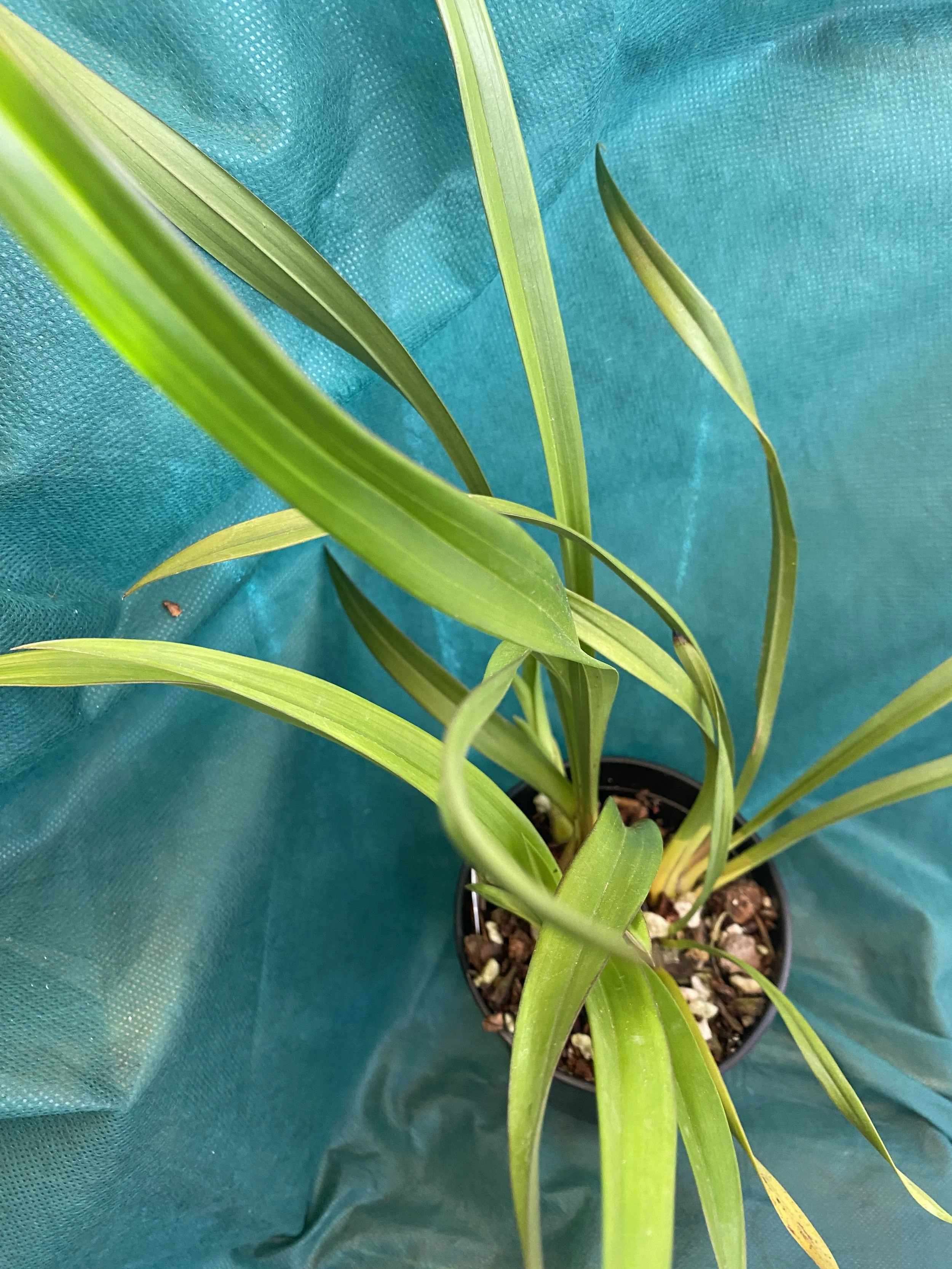
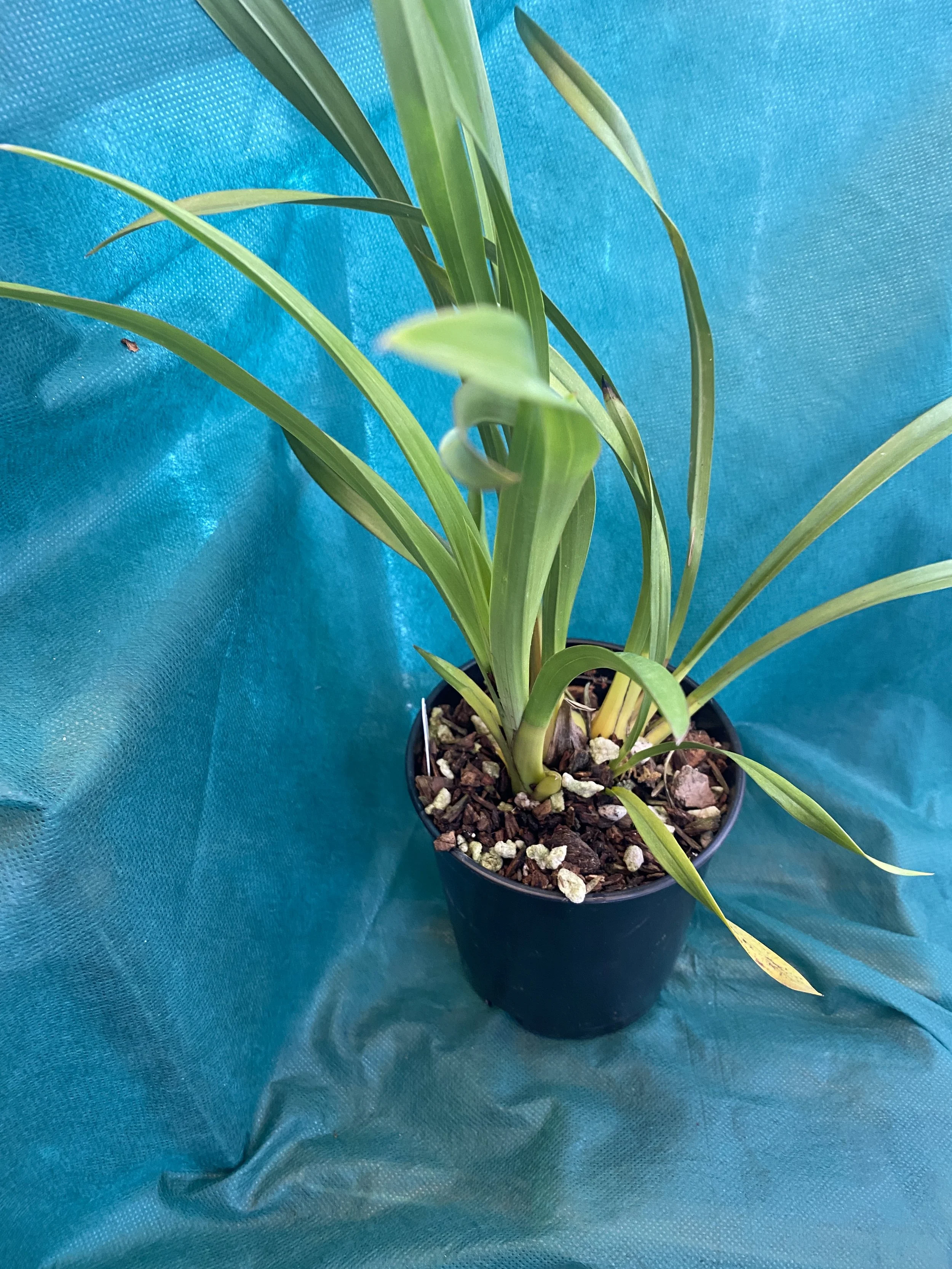
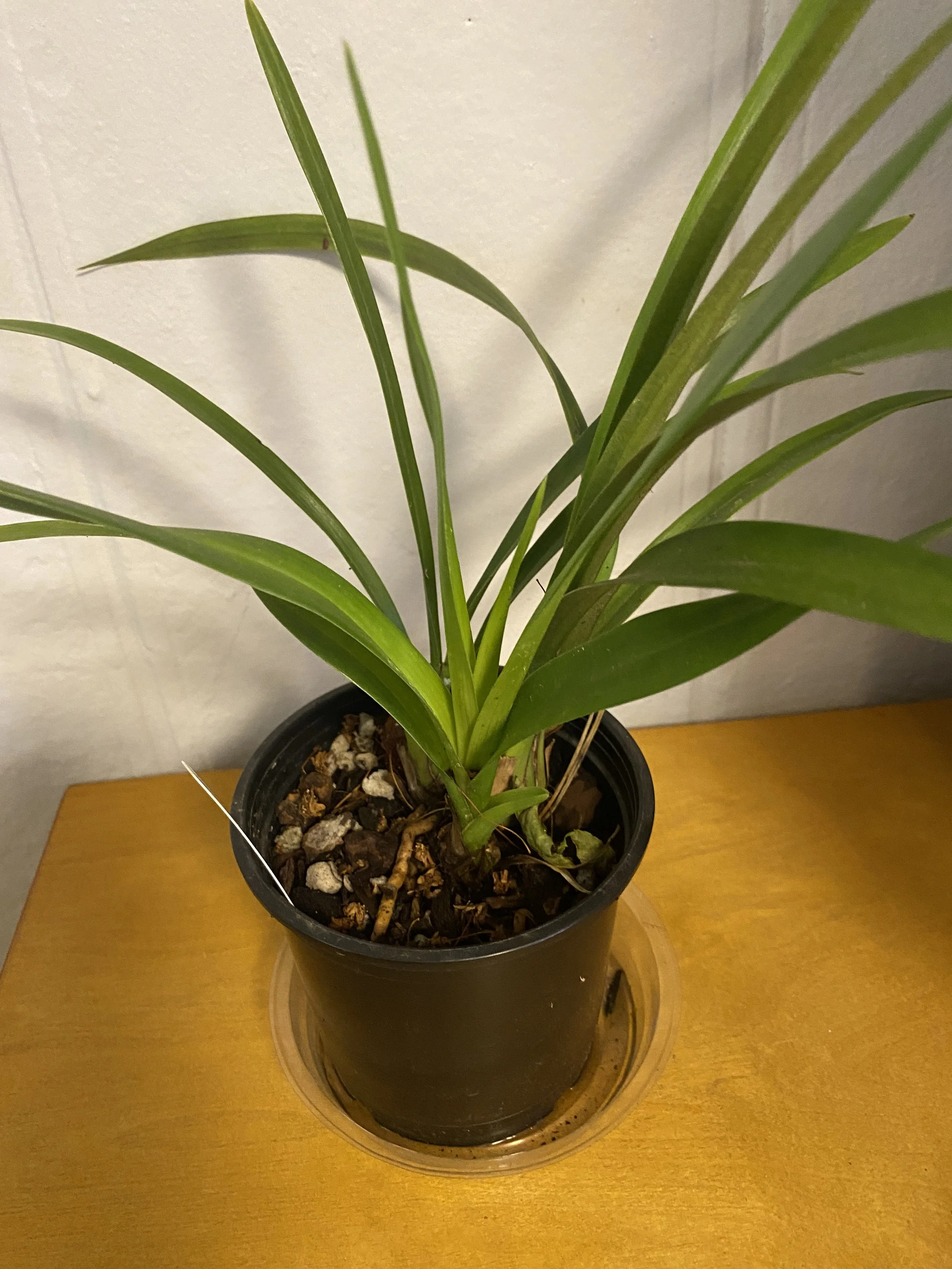
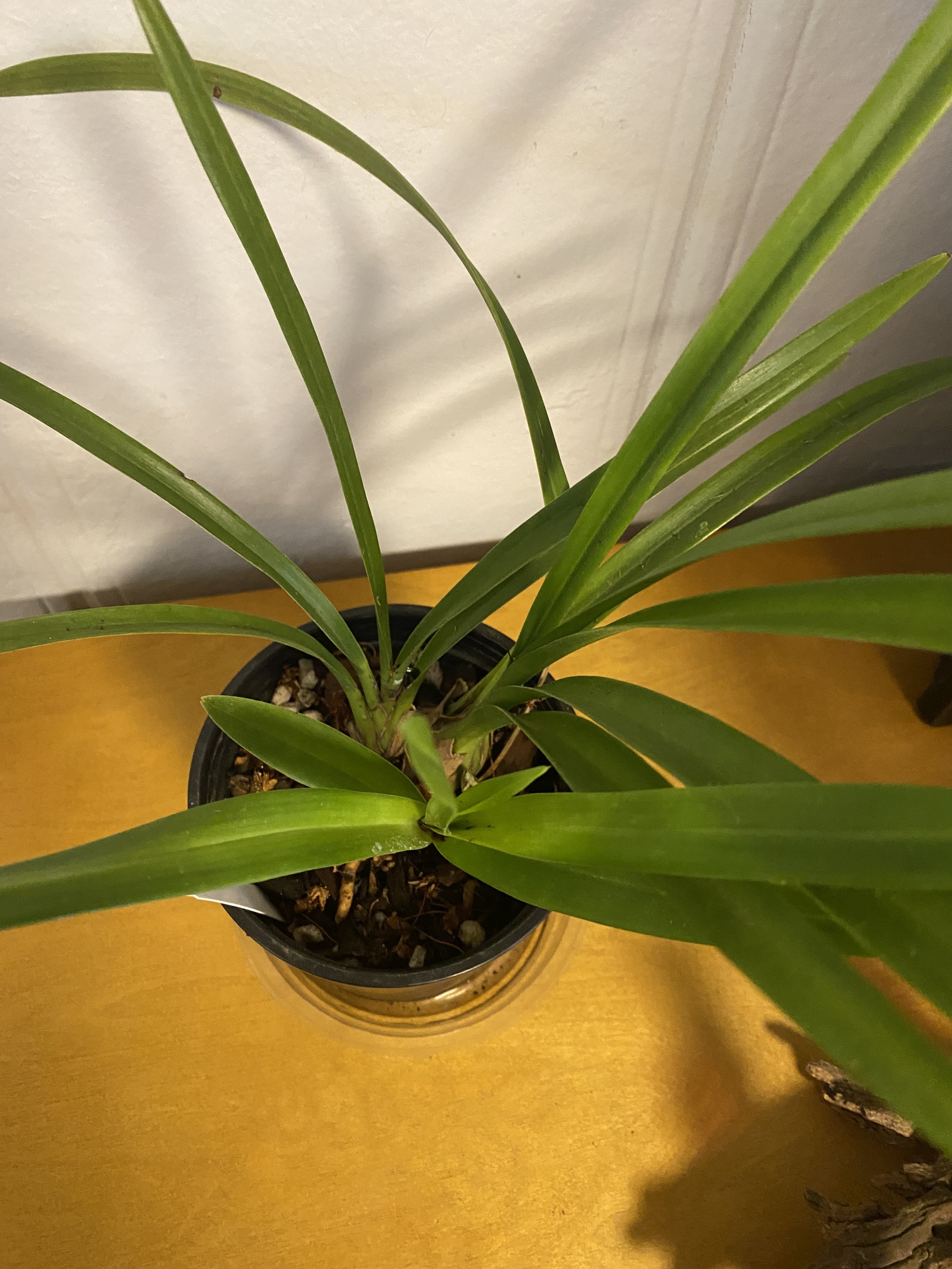
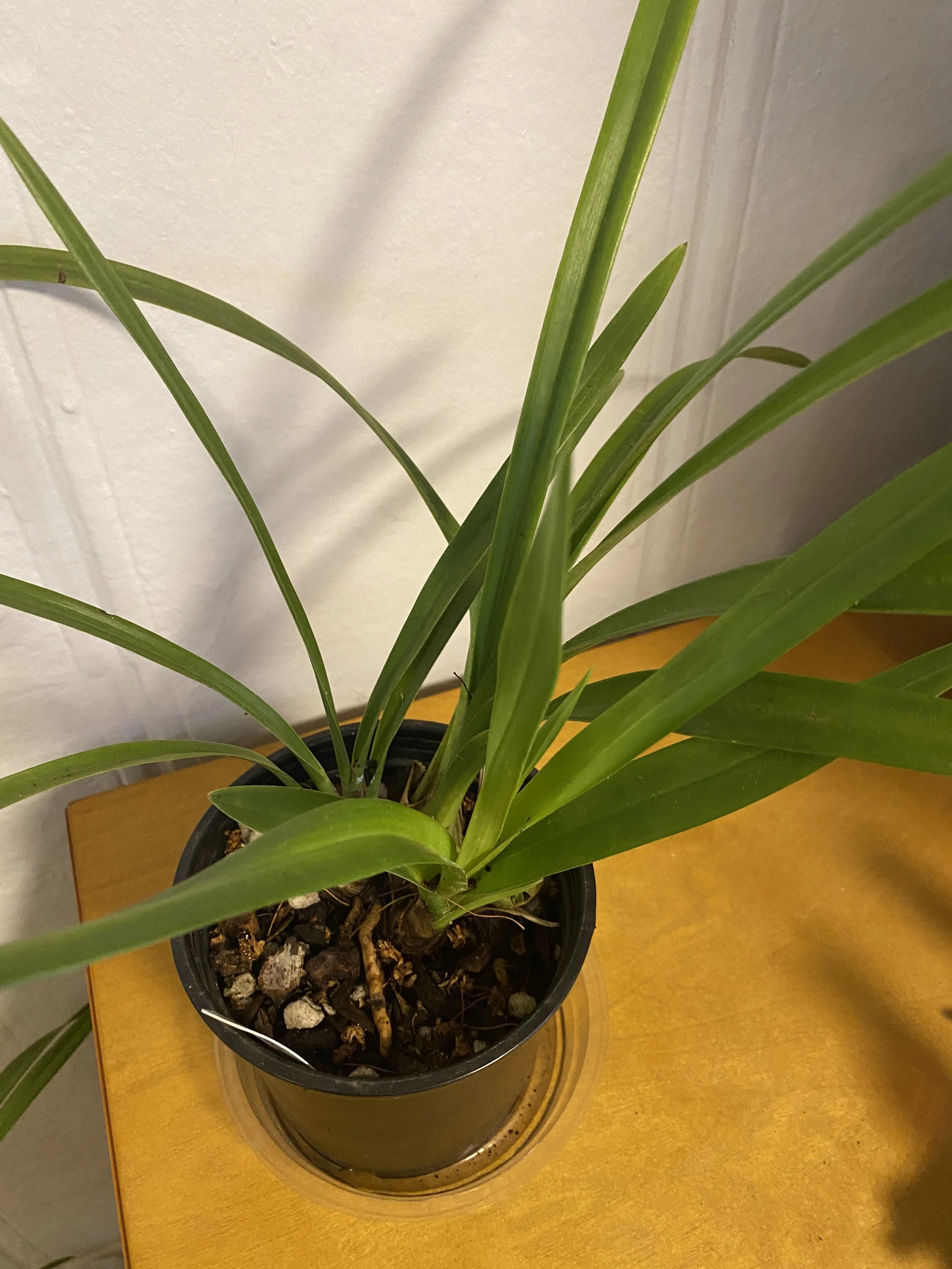
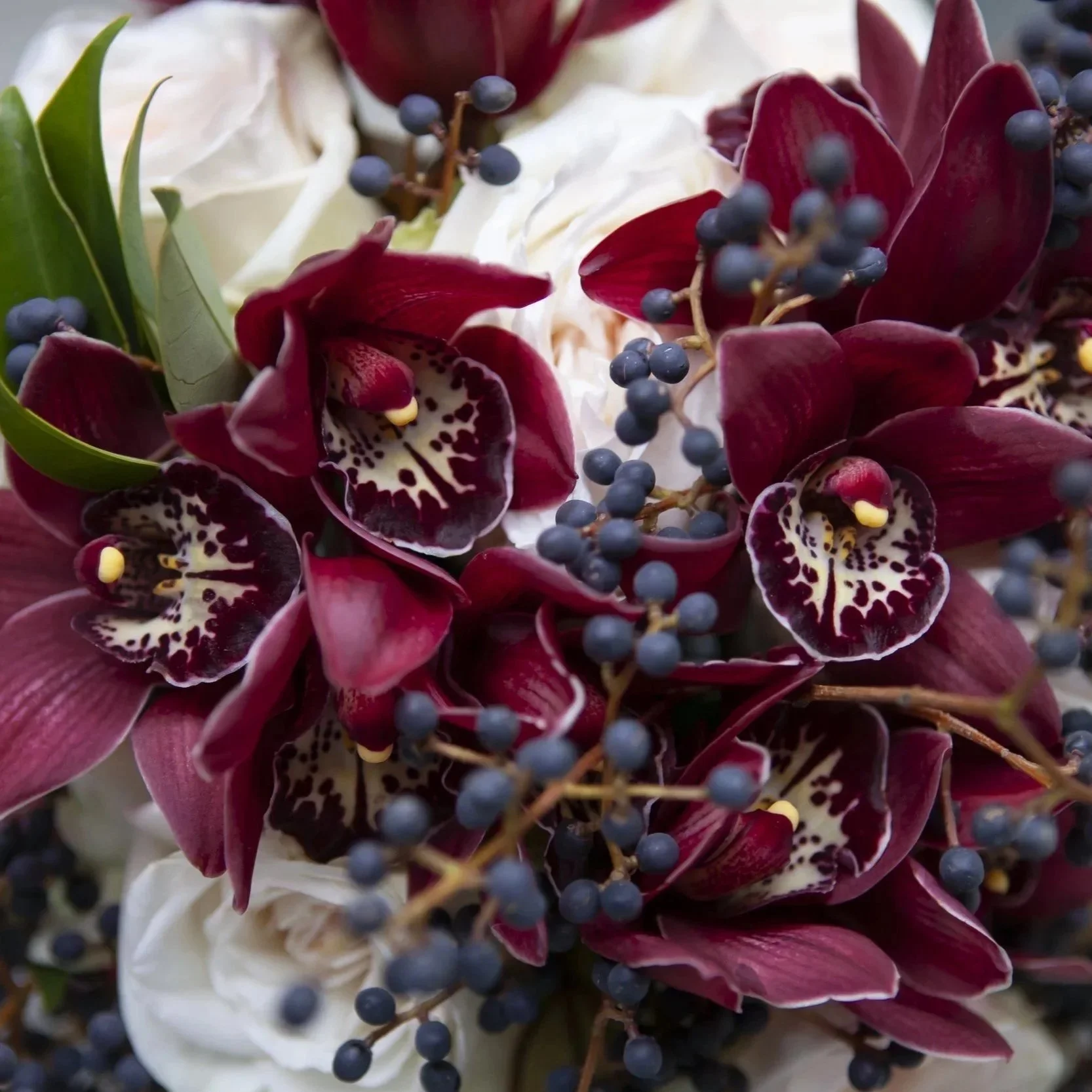
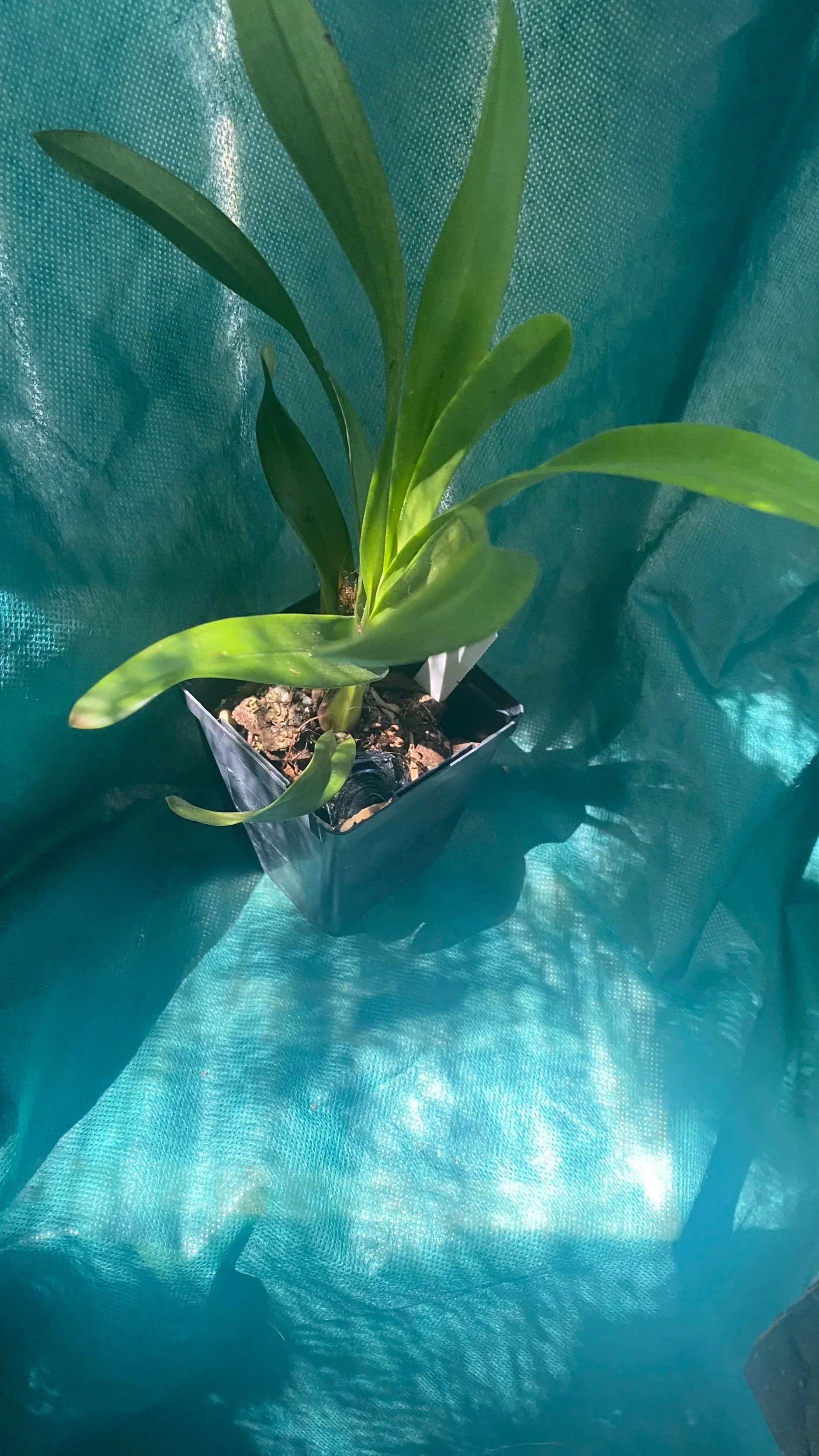
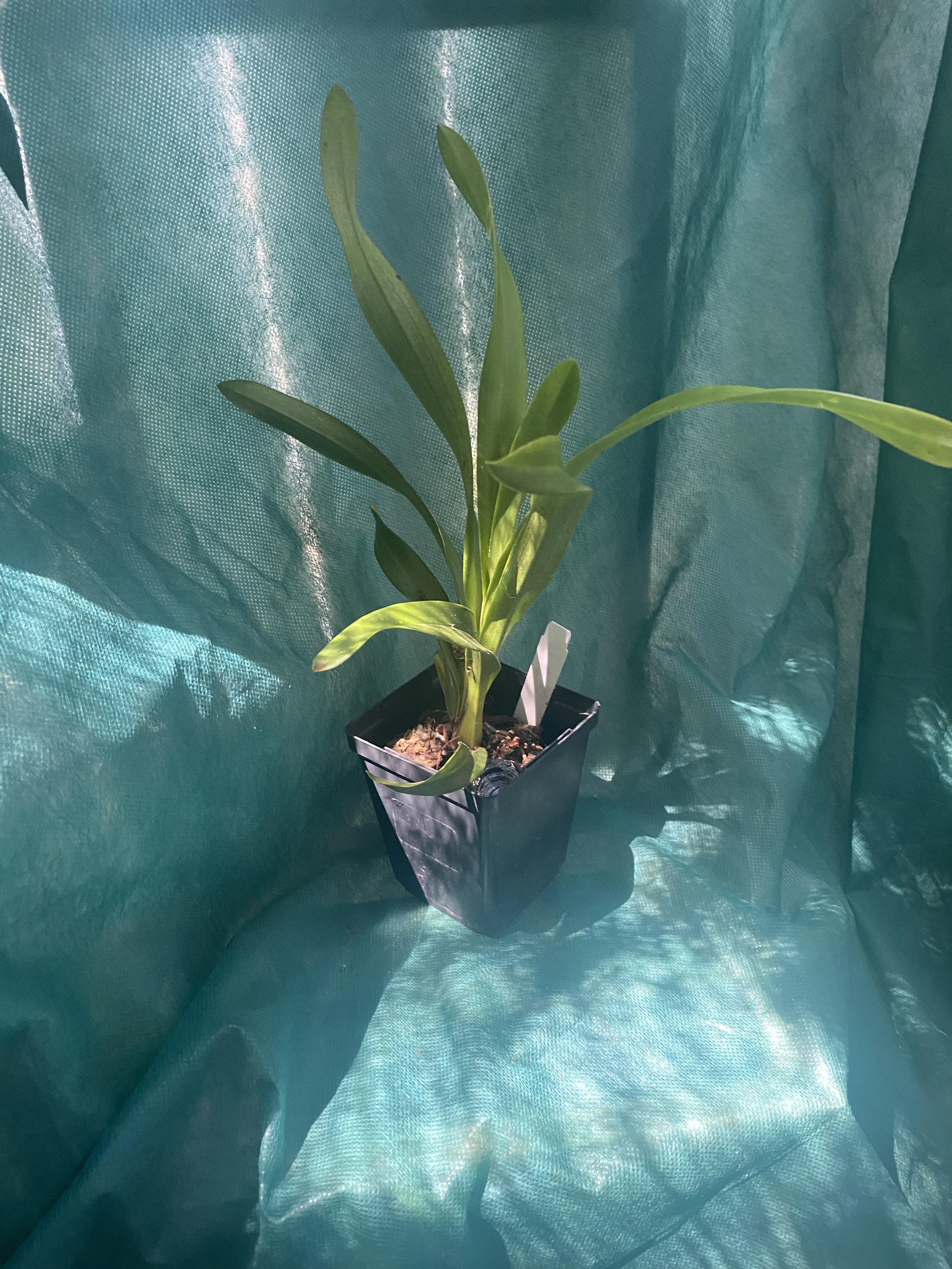
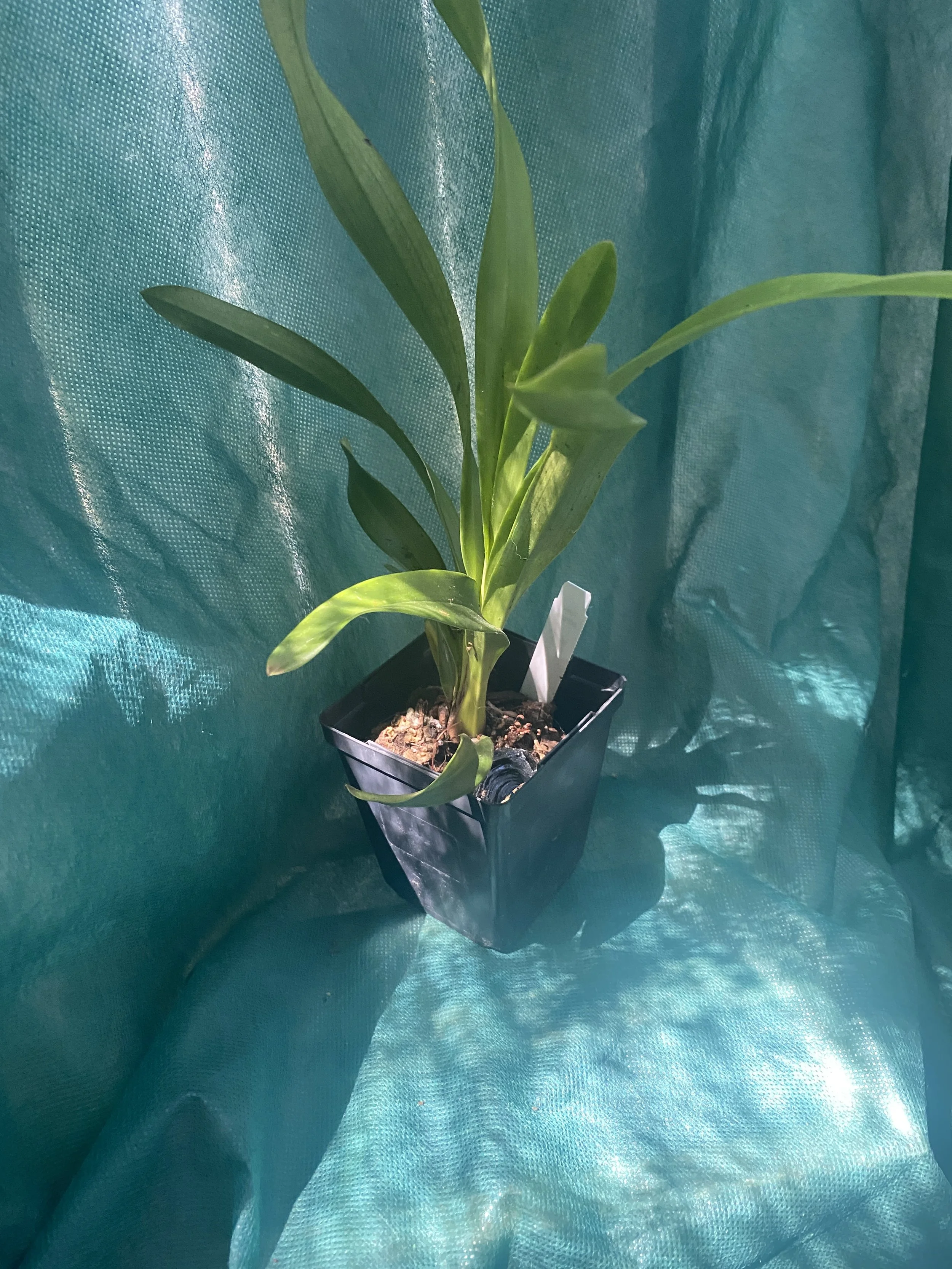
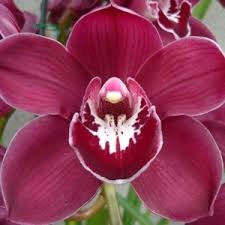
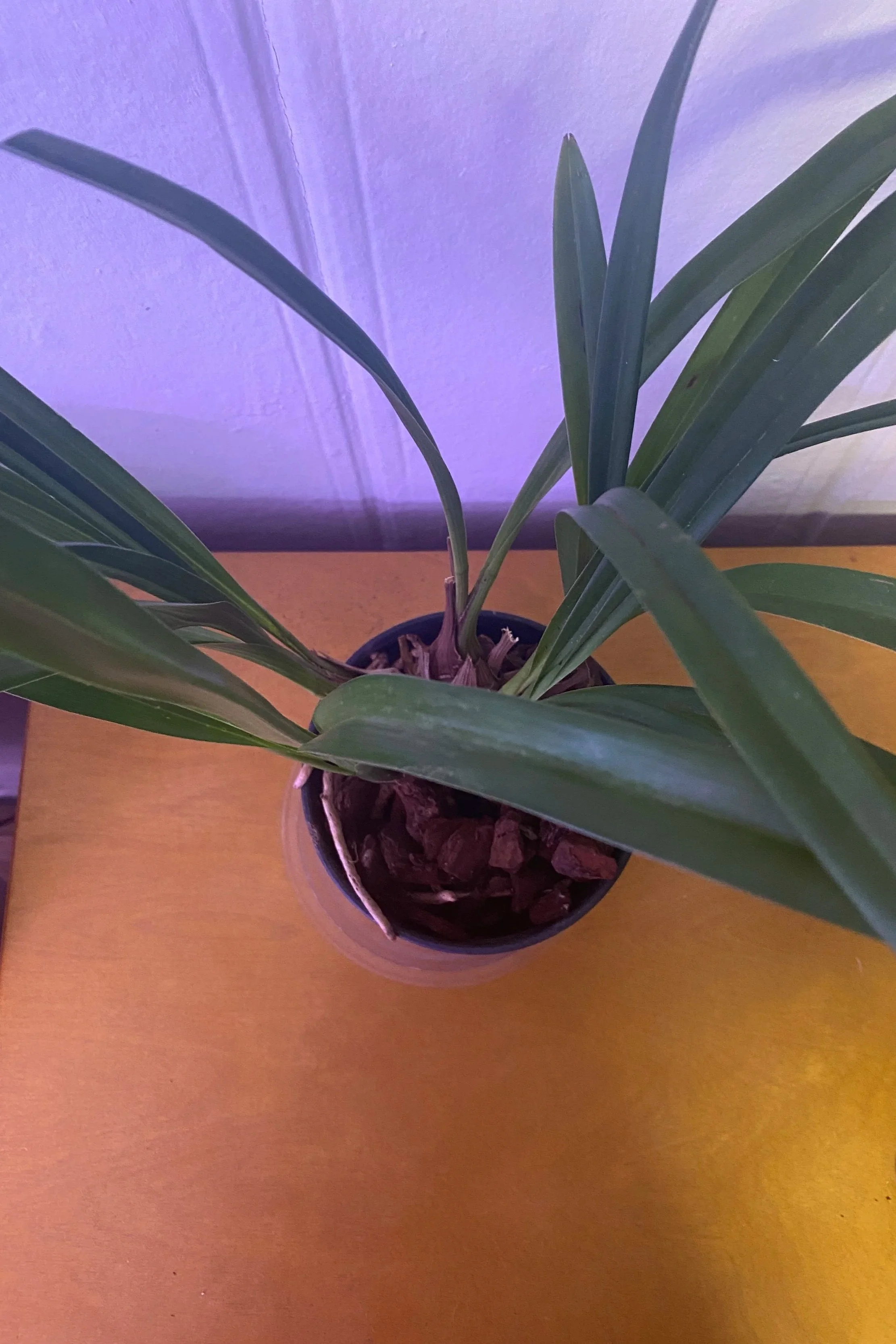
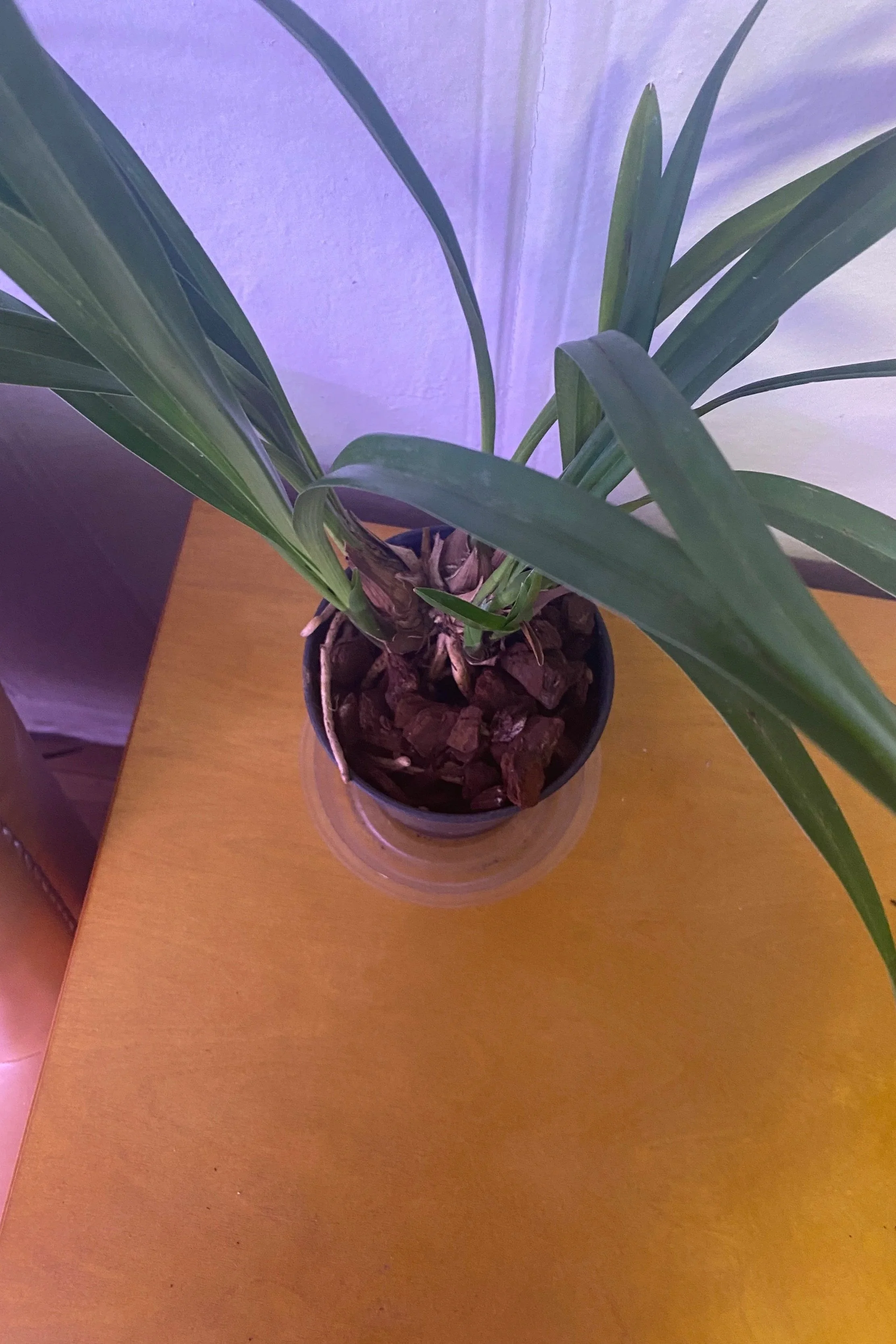
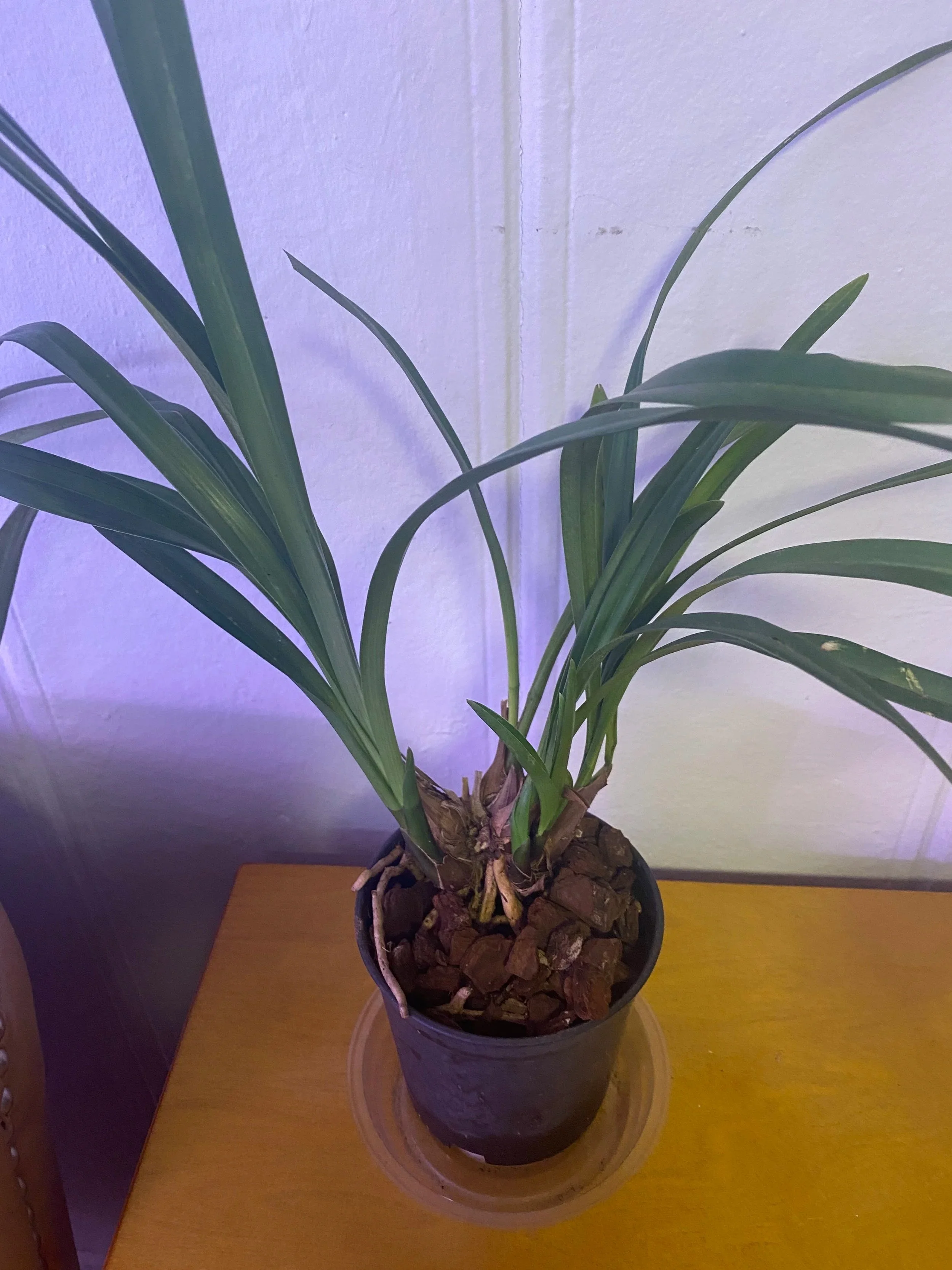
Cymbidium Bill’s Emerald #1 x Lock Bailey (13) Four inch pot, standing 12 inches tall.
A rare offering from O’Dowds Orchids: an exceptional Cymbidium hybrid combining the refined pedigree of Bill’s Emerald with the stalwart vigor of Lock Bailey. This plant presents an outstanding opportunity for collectors and serious growers who seek a show-stopping centerpiece that reliably performs in bloom.
Why this Cymbidium stands out
Proven parentage: Bill’s Emerald brings luminous, jewel-toned greens and elegant flower form; Lock Bailey contributes size, substance, and extended flowering. The cross results in large, well-formed spikes with multiple long-lasting blooms.
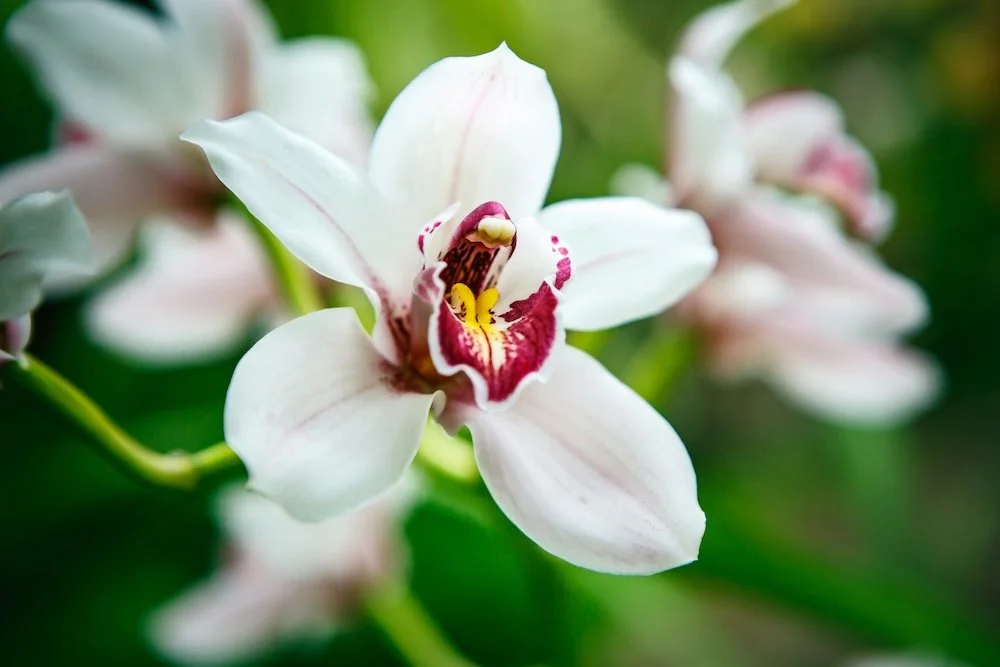
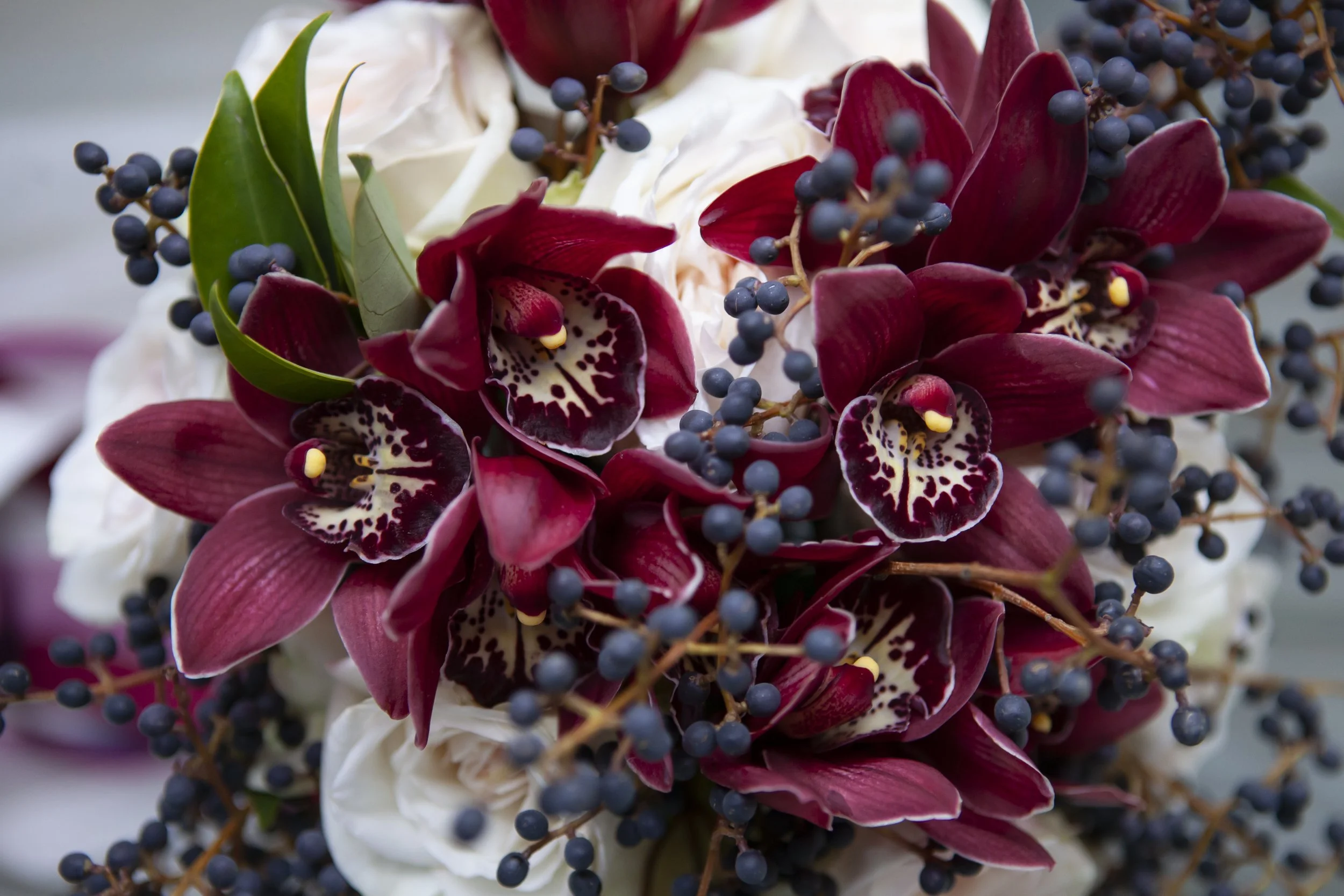
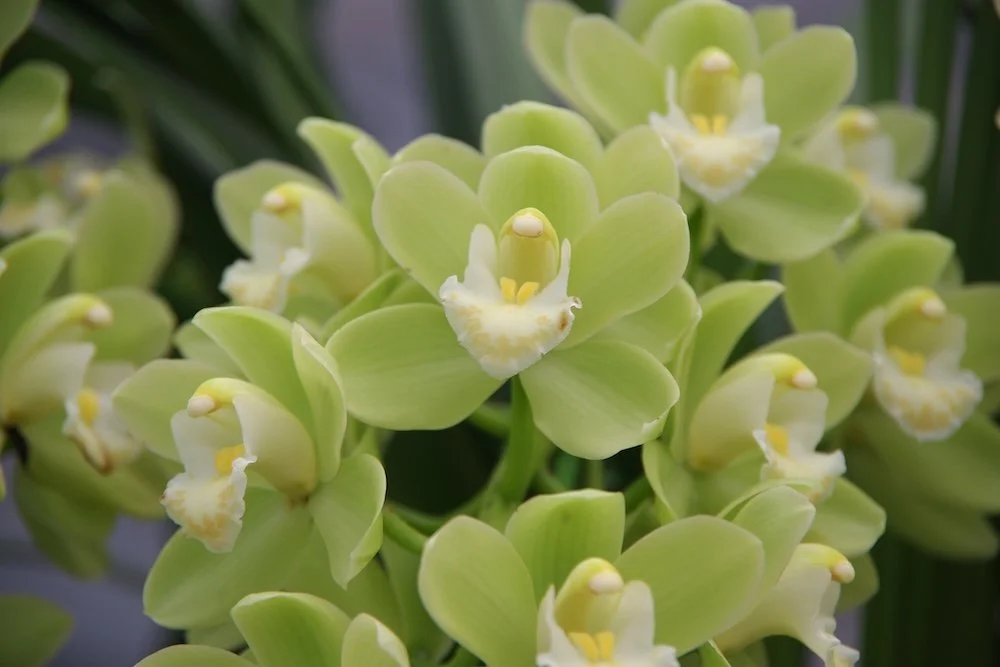
Flower quality: Expect broad, waxy petals and sepals with smooth texture, strong color saturation, and a distinct, sculpted lip—ideal for exhibition or premium-cut-flower arrangements.
Performance: Vigorous growth habit, robust pseudobulbs, and excellent spike production. This hybrid is forgiving to a range of intermediate-advanced culture and rewards consistent care with repeat blooms.
Presentation: Mature specimen with healthy roots and foliage, shipped with careful packaging to preserve plant integrity and ensure a strong start in your collection.
Who should consider this Cymbidium
Collectors seeking a standout Cymbidium with exhibition potential.
Florists and designers needing durable, elegant blooms for upscale arrangements.
Experienced hobbyists who appreciate a high-quality hybrid with dependable flowering.
Caring for your Cymbidium Bill’s Emerald #1 x Lock Bailey
Light
Bright, filtered light is ideal. Provide strong morning sun or dappled light; avoid hot midday sun that can scorch leaves. Aim for about 2,000–3,000 foot-candles of light (bright shade to indirect sun).
A spot near an east- or west-facing window, or a south window with a sheer curtain, works well. If leaves turn yellowish or develop brown tips from sunburn, move to slightly lower light.
Temperature
Cymbidiums are cool- to intermediate-growing orchids. Maintain daytime temperatures of 65–80°F and nighttime temperatures of 50–60°F.
A diurnal drop of 10–20°F in late summer and fall helps initiate flowering. Night temperatures dipping into the low 50s during the cooler season are beneficial.
Humidity & Airflow
Maintain 40–60% relative humidity. Use humidity trays or a humidifier if indoor air is dry.
Ensure good air circulation to reduce fungal and bacterial problems; a gentle fan on low is helpful.
Watering
Keep the potting mix evenly moist during active growth (spring through early fall). Water thoroughly until water flows from the drain holes, then allow the top inch of the mix to dry slightly before the next watering.
In cooler months or during dormancy, reduce watering frequency to avoid saturation—still avoid letting pseudobulbs shrivel.
Use tepid, low-salt water when possible (rain, distilled, or reverse-osmosis are excellent). If using tap water, allow it to sit overnight to reduce chlorine.
Potting Medium & Repotting
Use a free-draining mix such as large-grade fir bark, perlite, charcoal, and some coarse sphagnum moss for moisture retention. Cymbidiums tolerate coarser mixes than most orchids.
Repot every 2–3 years or when the mix breaks down, when you see roots circling the pot, or after flowering. Best time to repot is just after flowering when new root growth begins.
Choose a pot that accommodates some root growth; Cymbidiums like to be somewhat snug but not root-bound.
Fertilizing
Feed with a balanced, water-soluble orchid fertilizer (e.g., 20-20-20) at quarter to half strength every 1–2 weeks during active growth.
In late summer and fall, switch to a higher phosphorus formula (bloom booster, e.g., 10-30-20) to encourage flower spike initiation. Continue regular feeding at lower concentrations through the bloom season.
Flush the pot with clear water monthly to prevent salt buildup.
Blooming & Spike Care
Flower spikes typically form when cooler night temperatures occur in late summer or fall. Provide the recommended temperature drop and good light.
When spikes emerge, stake them gently and support heavy flower spikes to prevent breakage.
Remove spent blooms and trim spikes only after they have fully finished flowering and turned brown.
Pests & Diseases
Inspect regularly for common pests: aphids, scale, mealybugs, spider mites, and slugs/snails. Treat infestations promptly with insecticidal soap, horticultural oil, or appropriate systemic controls.
Avoid overwatering and poor airflow to reduce risk of crown rot and root rot. Remove any rotting roots or infected tissue and repot in fresh medium if needed.
Good sanitation: clean pots and tools and avoid letting debris accumulate around the plant.
Special Notes for Bill’s Emerald #1 x Lock Bailey
As a hybrid between Bill’s Emerald and Lock Bailey lines, this plant will typically favor intermediate-to-cool conditions and produce robust spikes with multiple flowers. Expect good vigor and adaptability.
Monitor for cultural adjustments—some individual plants may prefer slightly cooler nights or slightly different watering rhythms depending on your home microclimate.
Cymbidium Bill’s Emerald #1 x Lock Bailey (13) Four inch pot, standing 12 inches tall.
A rare offering from O’Dowds Orchids: an exceptional Cymbidium hybrid combining the refined pedigree of Bill’s Emerald with the stalwart vigor of Lock Bailey. This plant presents an outstanding opportunity for collectors and serious growers who seek a show-stopping centerpiece that reliably performs in bloom.
Why this Cymbidium stands out
Proven parentage: Bill’s Emerald brings luminous, jewel-toned greens and elegant flower form; Lock Bailey contributes size, substance, and extended flowering. The cross results in large, well-formed spikes with multiple long-lasting blooms.
Flower quality: Expect broad, waxy petals and sepals with smooth texture, strong color saturation, and a distinct, sculpted lip—ideal for exhibition or premium-cut-flower arrangements.
Performance: Vigorous growth habit, robust pseudobulbs, and excellent spike production. This hybrid is forgiving to a range of intermediate-advanced culture and rewards consistent care with repeat blooms.
Presentation: Mature specimen with healthy roots and foliage, shipped with careful packaging to preserve plant integrity and ensure a strong start in your collection.
Who should consider this Cymbidium
Collectors seeking a standout Cymbidium with exhibition potential.
Florists and designers needing durable, elegant blooms for upscale arrangements.
Experienced hobbyists who appreciate a high-quality hybrid with dependable flowering.
Caring for your Cymbidium Bill’s Emerald #1 x Lock Bailey
Light
Bright, filtered light is ideal. Provide strong morning sun or dappled light; avoid hot midday sun that can scorch leaves. Aim for about 2,000–3,000 foot-candles of light (bright shade to indirect sun).
A spot near an east- or west-facing window, or a south window with a sheer curtain, works well. If leaves turn yellowish or develop brown tips from sunburn, move to slightly lower light.
Temperature
Cymbidiums are cool- to intermediate-growing orchids. Maintain daytime temperatures of 65–80°F and nighttime temperatures of 50–60°F.
A diurnal drop of 10–20°F in late summer and fall helps initiate flowering. Night temperatures dipping into the low 50s during the cooler season are beneficial.
Humidity & Airflow
Maintain 40–60% relative humidity. Use humidity trays or a humidifier if indoor air is dry.
Ensure good air circulation to reduce fungal and bacterial problems; a gentle fan on low is helpful.
Watering
Keep the potting mix evenly moist during active growth (spring through early fall). Water thoroughly until water flows from the drain holes, then allow the top inch of the mix to dry slightly before the next watering.
In cooler months or during dormancy, reduce watering frequency to avoid saturation—still avoid letting pseudobulbs shrivel.
Use tepid, low-salt water when possible (rain, distilled, or reverse-osmosis are excellent). If using tap water, allow it to sit overnight to reduce chlorine.
Potting Medium & Repotting
Use a free-draining mix such as large-grade fir bark, perlite, charcoal, and some coarse sphagnum moss for moisture retention. Cymbidiums tolerate coarser mixes than most orchids.
Repot every 2–3 years or when the mix breaks down, when you see roots circling the pot, or after flowering. Best time to repot is just after flowering when new root growth begins.
Choose a pot that accommodates some root growth; Cymbidiums like to be somewhat snug but not root-bound.
Fertilizing
Feed with a balanced, water-soluble orchid fertilizer (e.g., 20-20-20) at quarter to half strength every 1–2 weeks during active growth.
In late summer and fall, switch to a higher phosphorus formula (bloom booster, e.g., 10-30-20) to encourage flower spike initiation. Continue regular feeding at lower concentrations through the bloom season.
Flush the pot with clear water monthly to prevent salt buildup.
Blooming & Spike Care
Flower spikes typically form when cooler night temperatures occur in late summer or fall. Provide the recommended temperature drop and good light.
When spikes emerge, stake them gently and support heavy flower spikes to prevent breakage.
Remove spent blooms and trim spikes only after they have fully finished flowering and turned brown.
Pests & Diseases
Inspect regularly for common pests: aphids, scale, mealybugs, spider mites, and slugs/snails. Treat infestations promptly with insecticidal soap, horticultural oil, or appropriate systemic controls.
Avoid overwatering and poor airflow to reduce risk of crown rot and root rot. Remove any rotting roots or infected tissue and repot in fresh medium if needed.
Good sanitation: clean pots and tools and avoid letting debris accumulate around the plant.
Special Notes for Bill’s Emerald #1 x Lock Bailey
As a hybrid between Bill’s Emerald and Lock Bailey lines, this plant will typically favor intermediate-to-cool conditions and produce robust spikes with multiple flowers. Expect good vigor and adaptability.
Monitor for cultural adjustments—some individual plants may prefer slightly cooler nights or slightly different watering rhythms depending on your home microclimate.