 Image 1 of 4
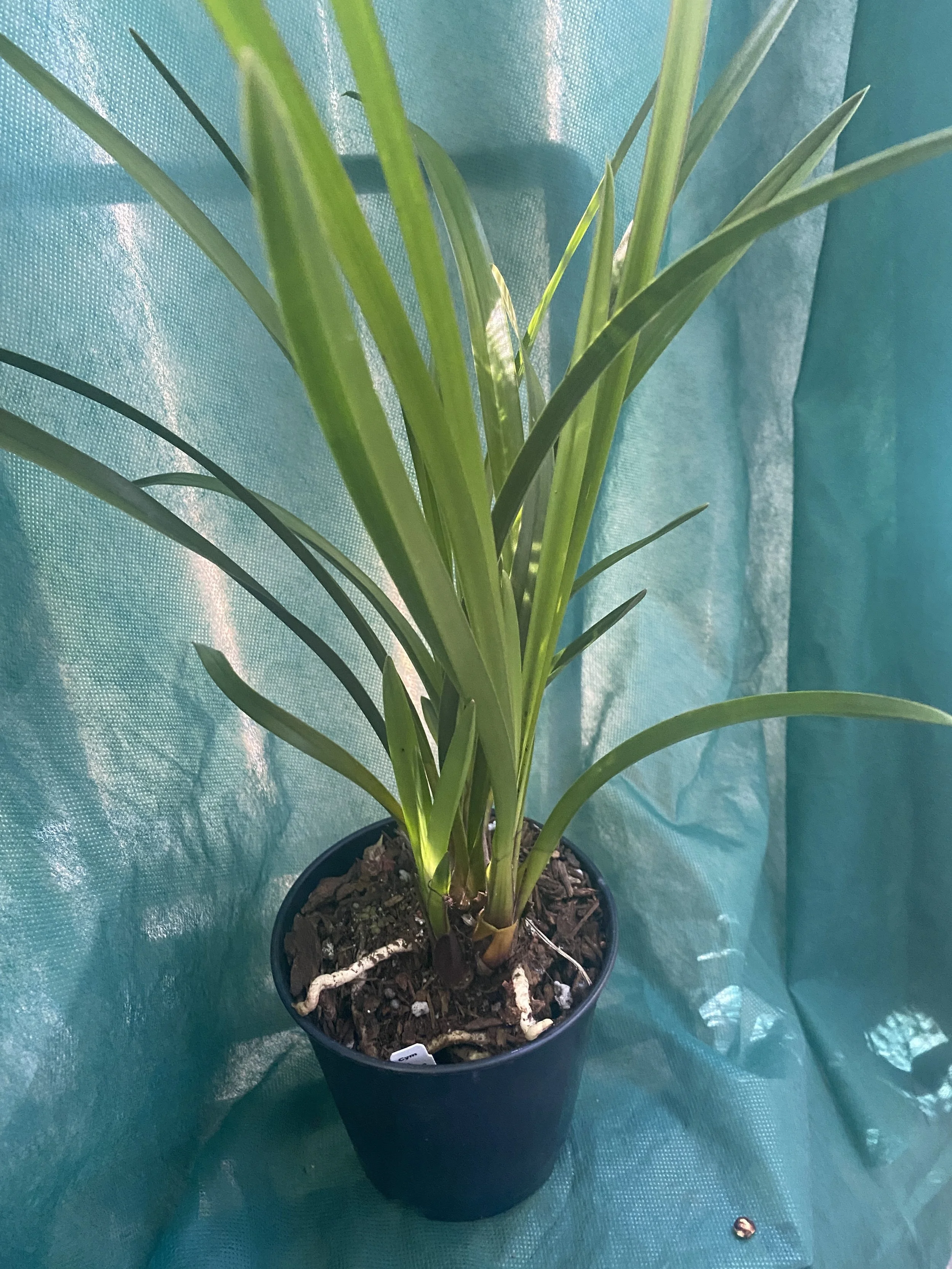 Image 2 of 4
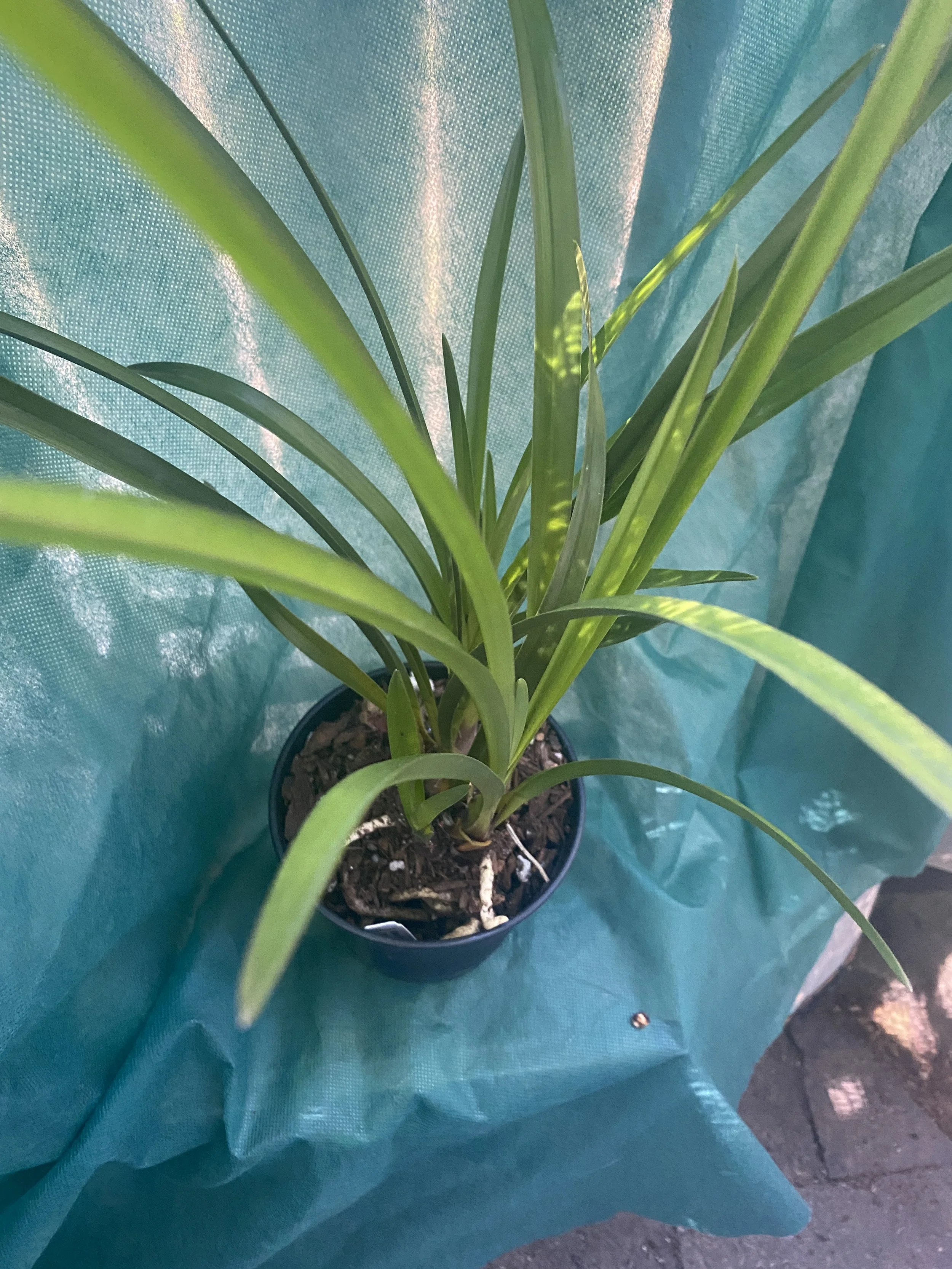 Image 3 of 4
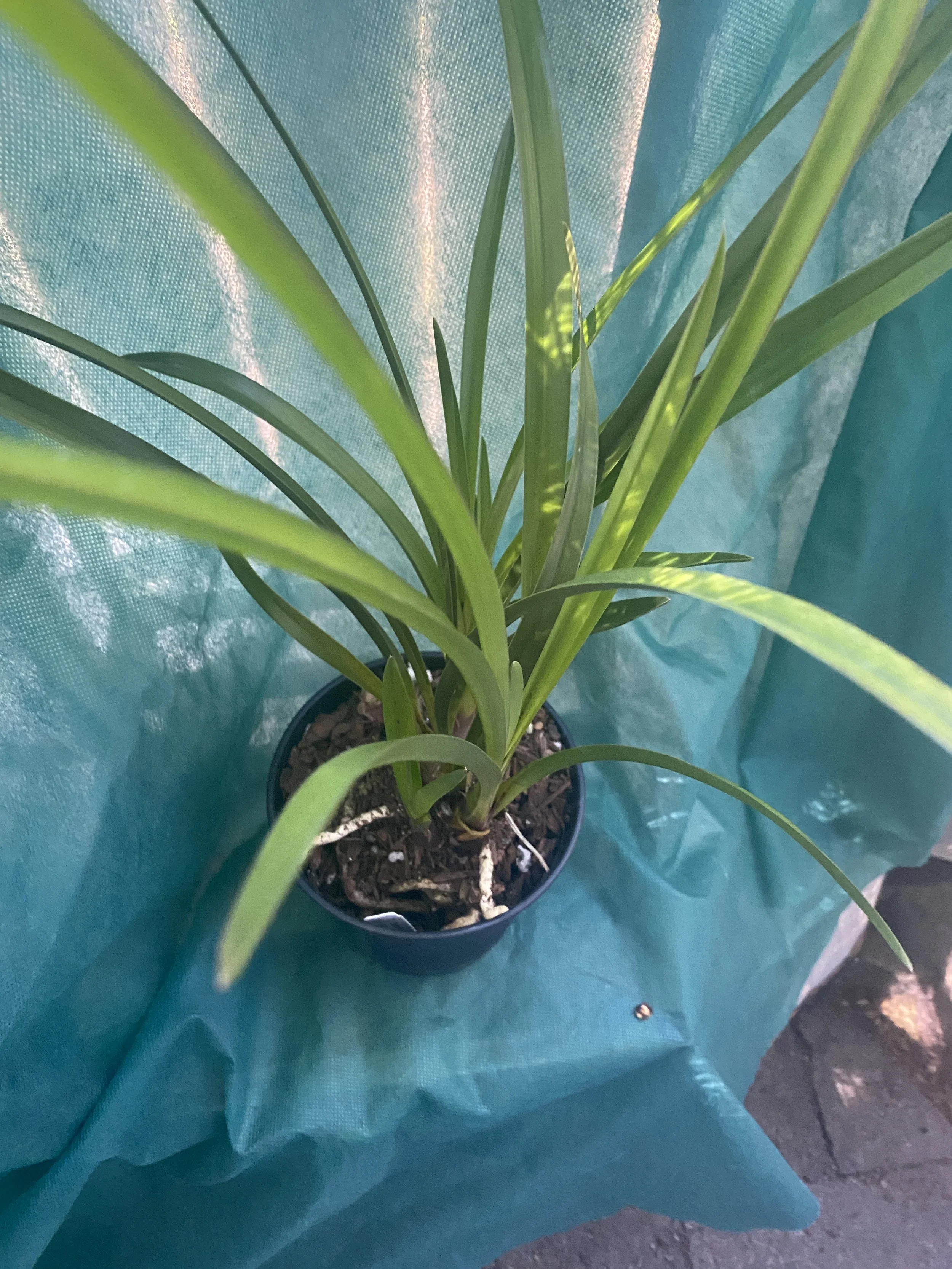 Image 4 of 4
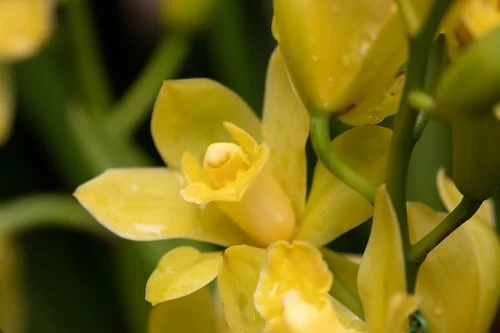
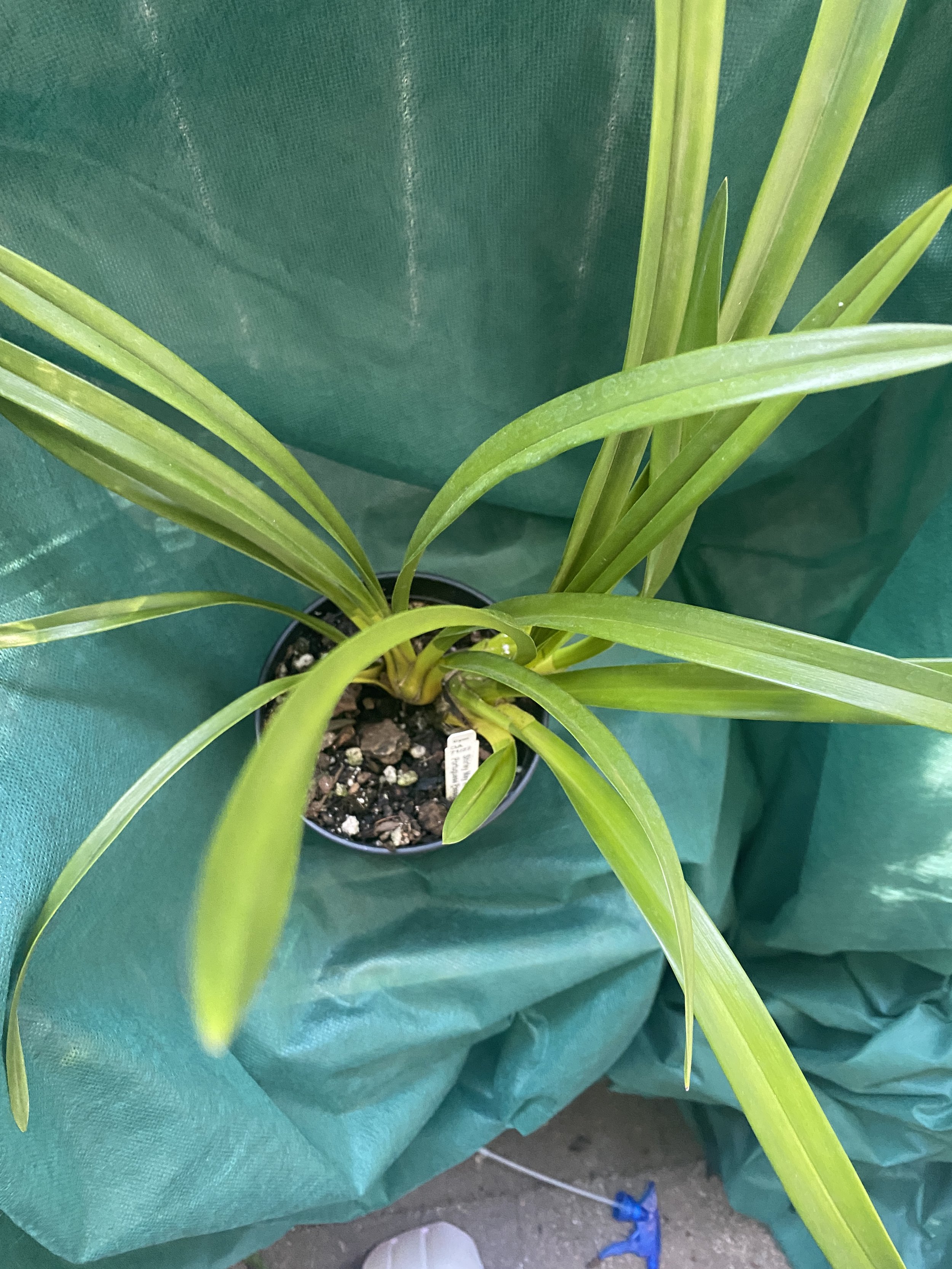
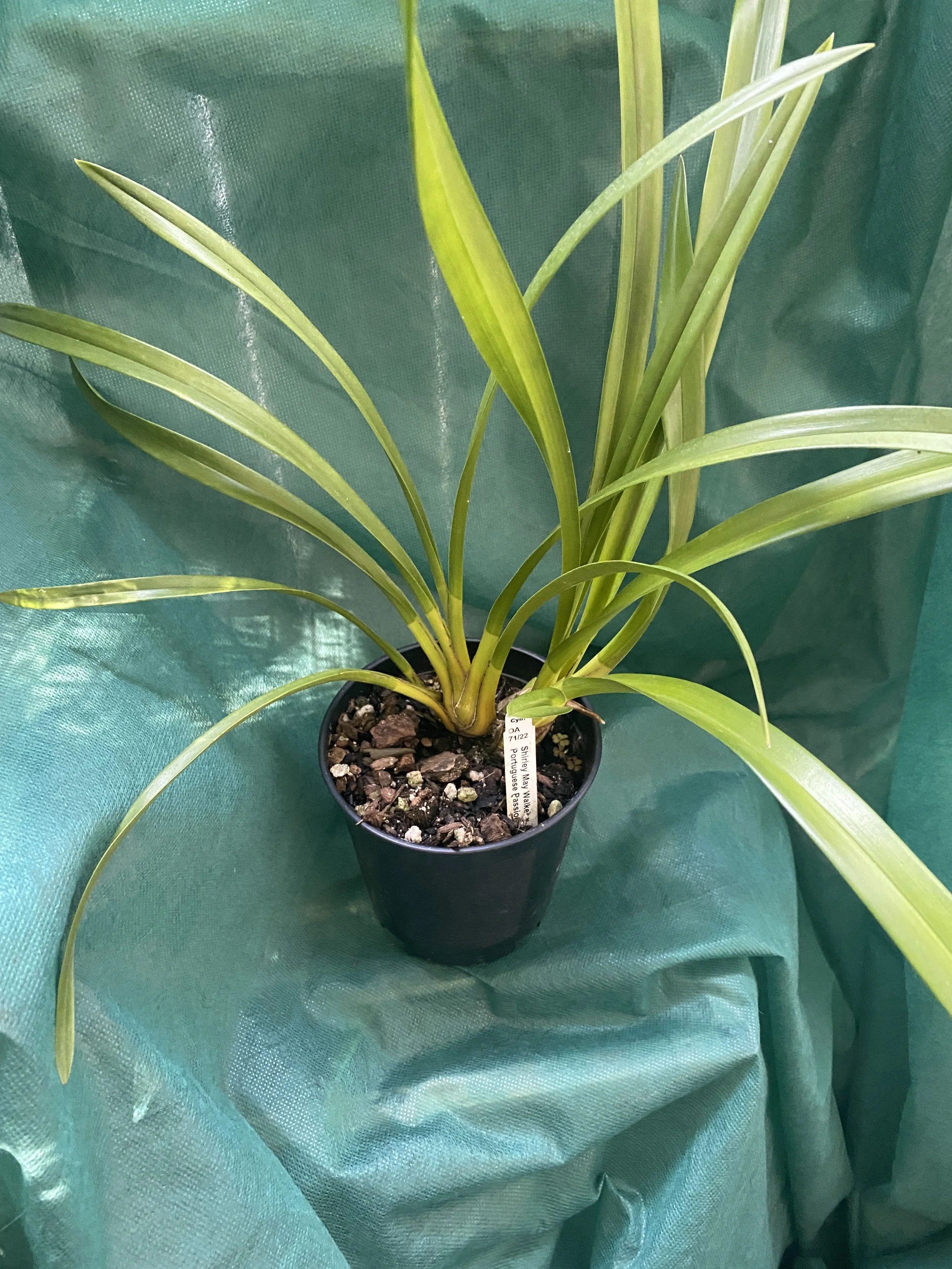
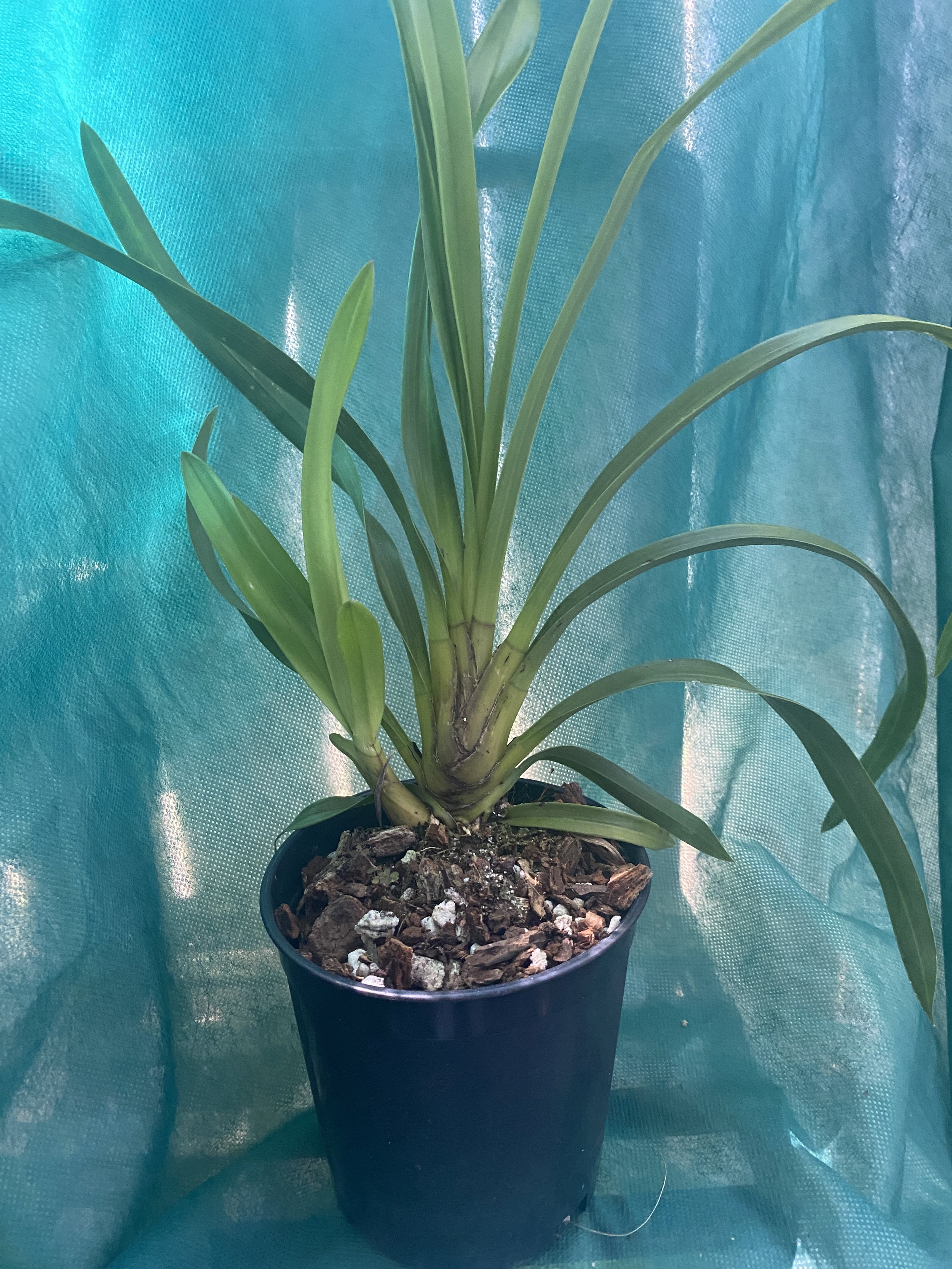
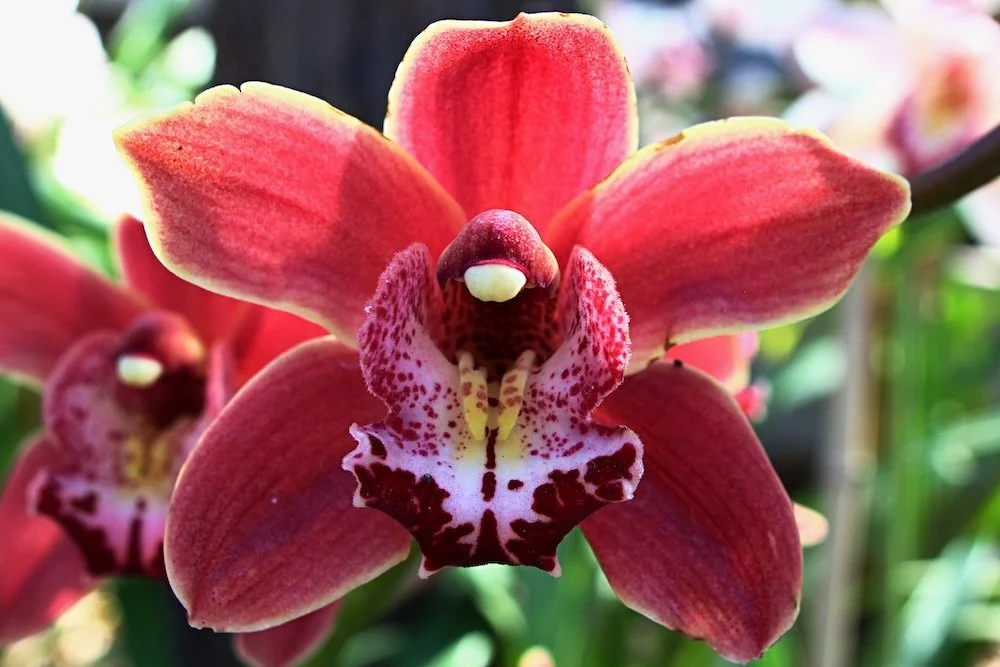
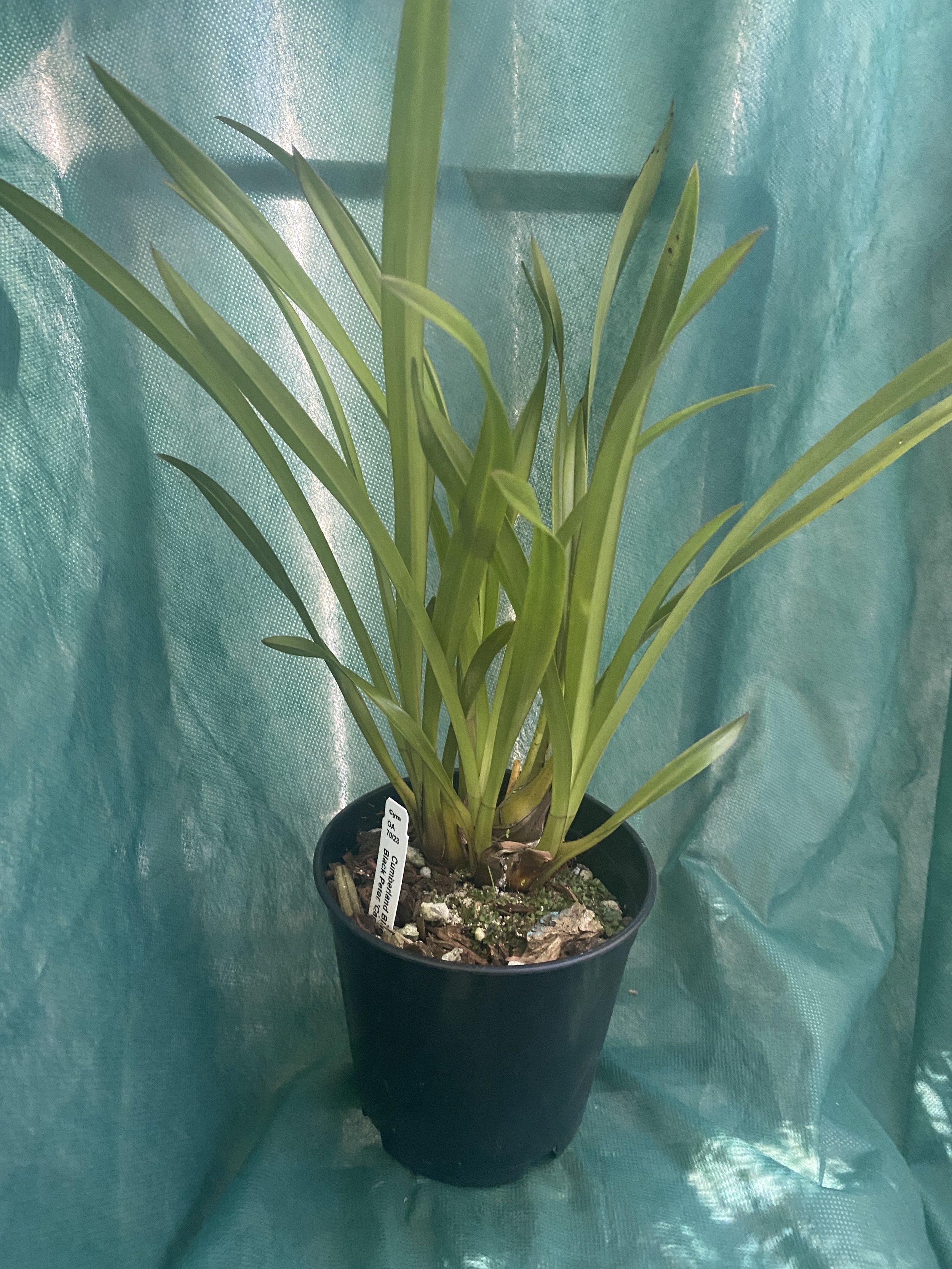
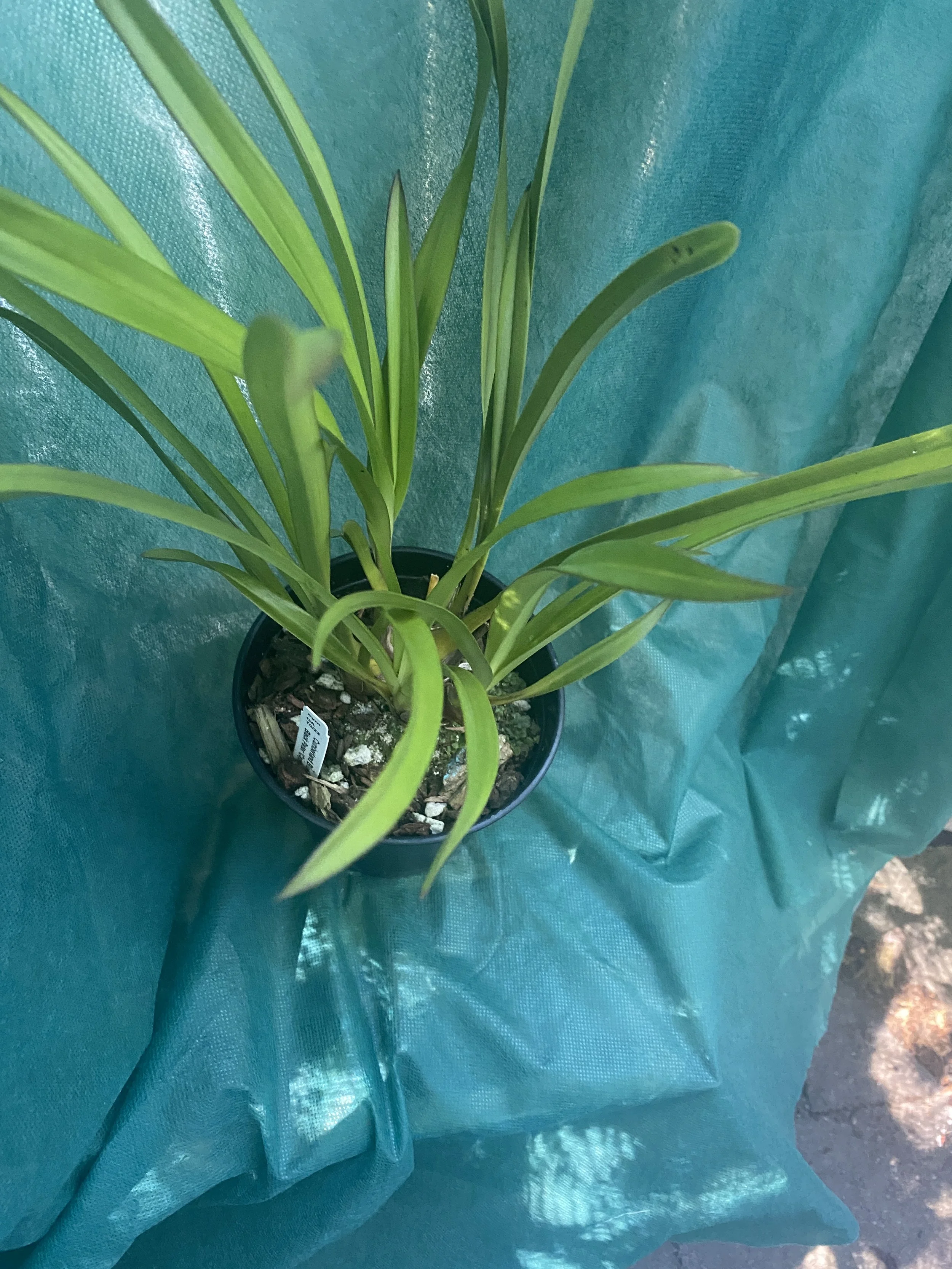
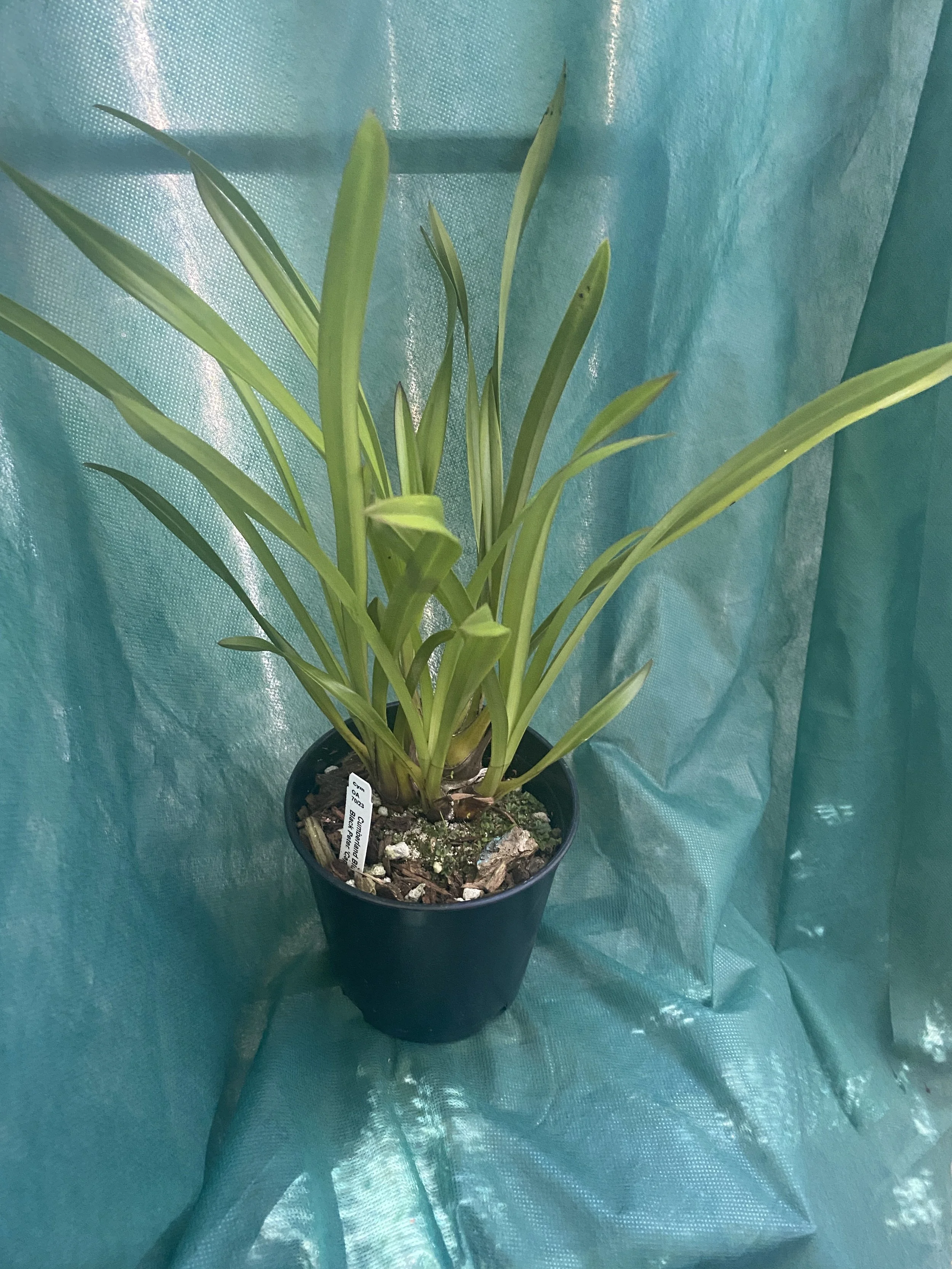
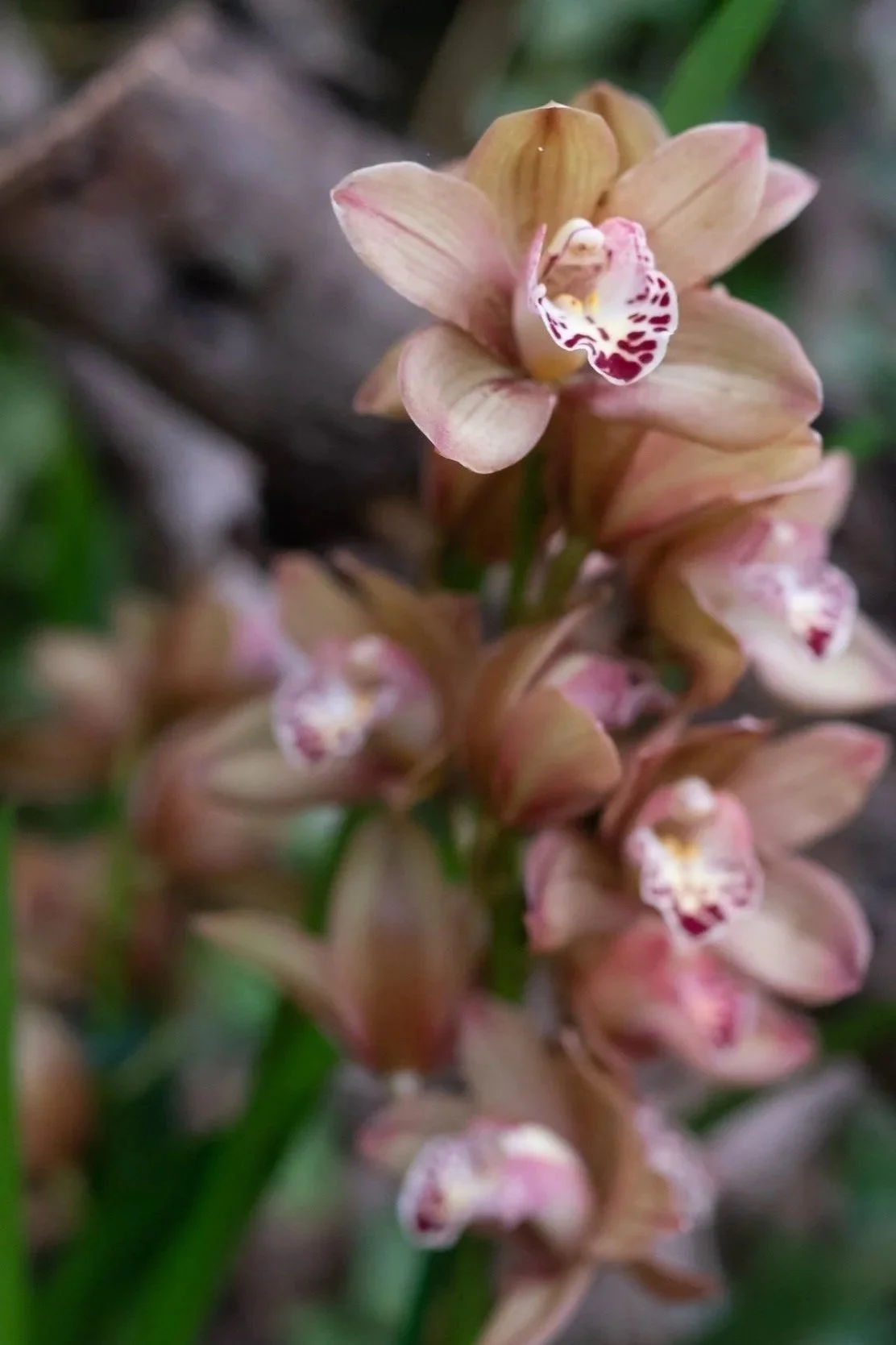
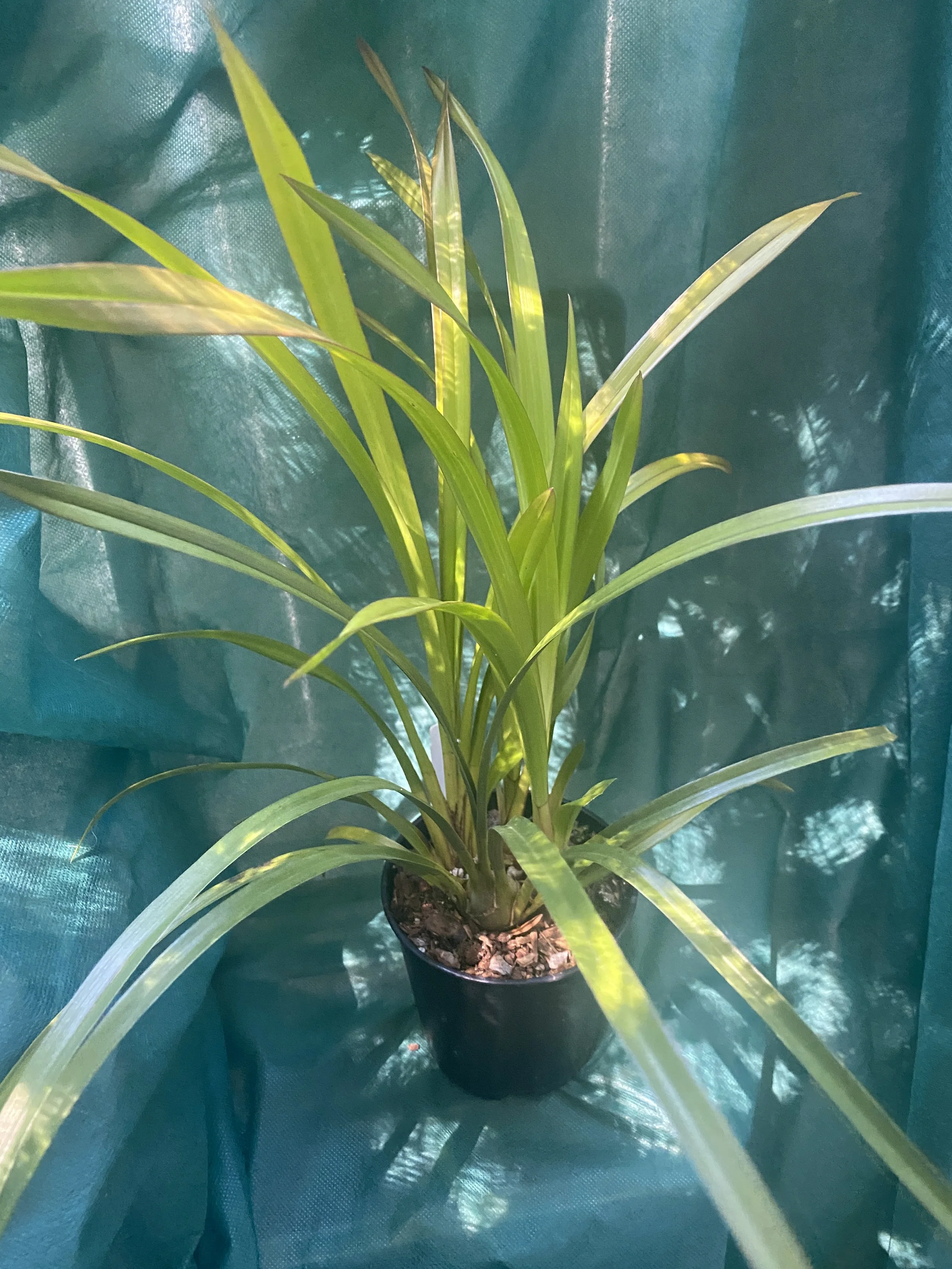
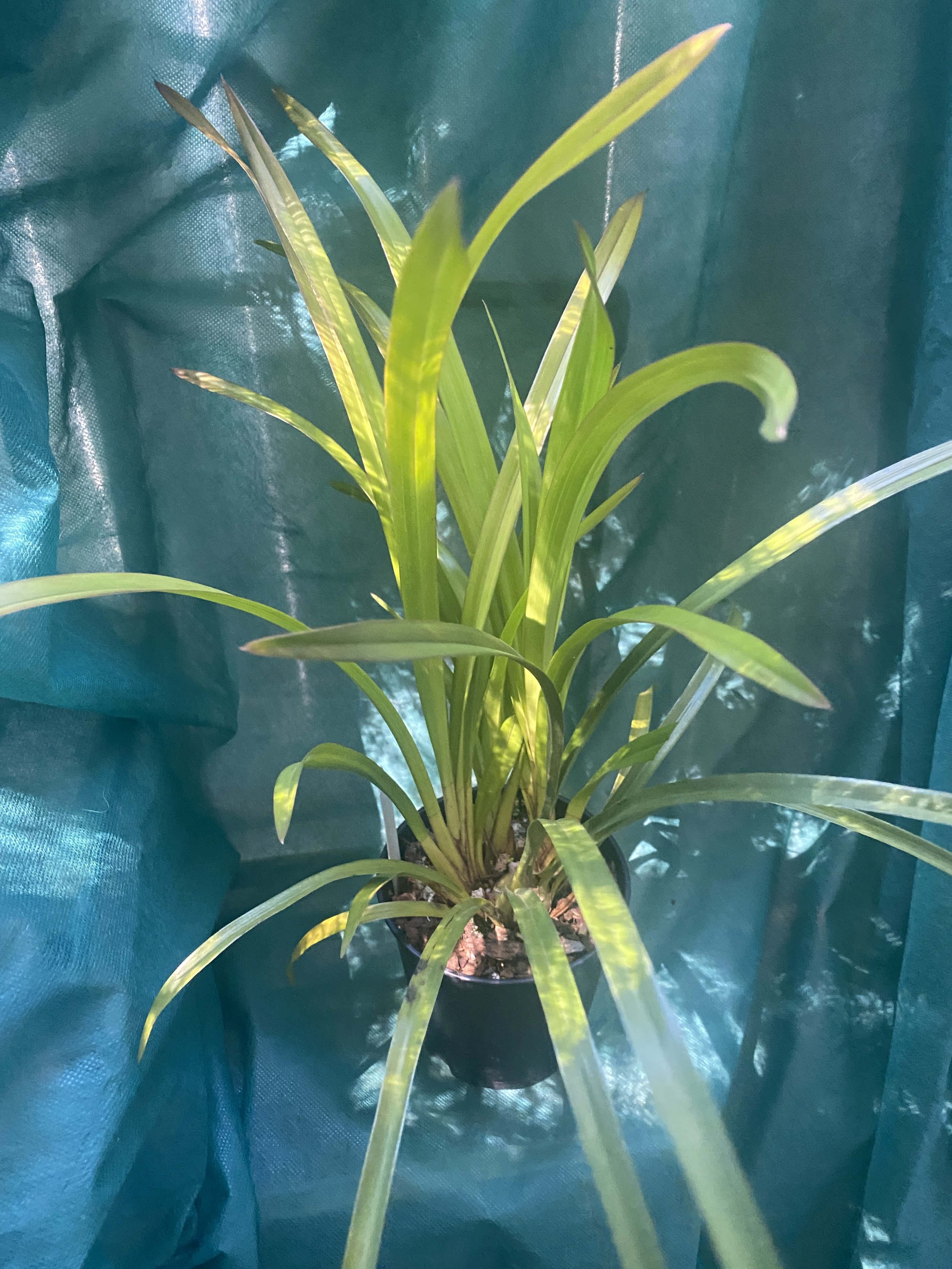
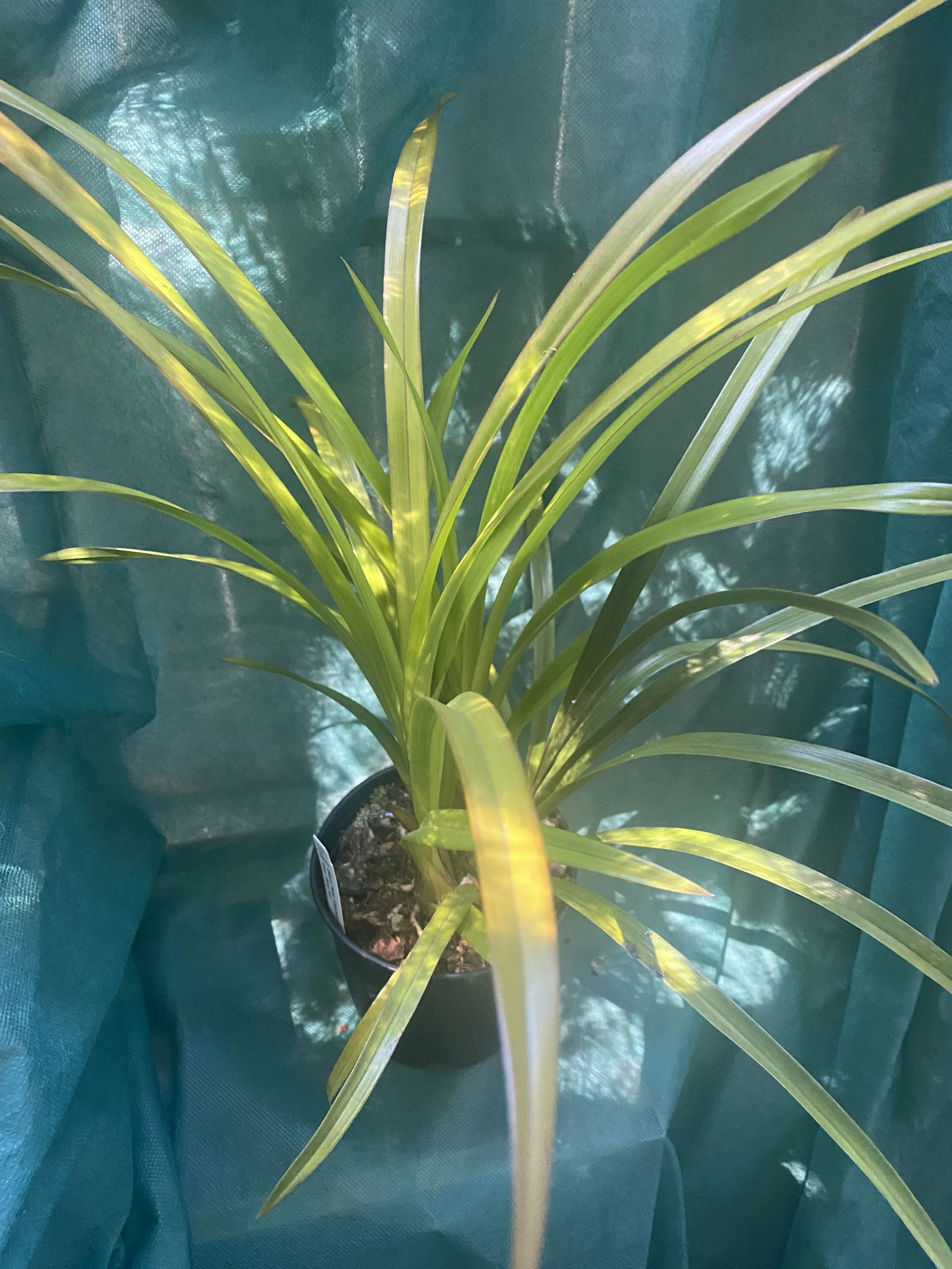
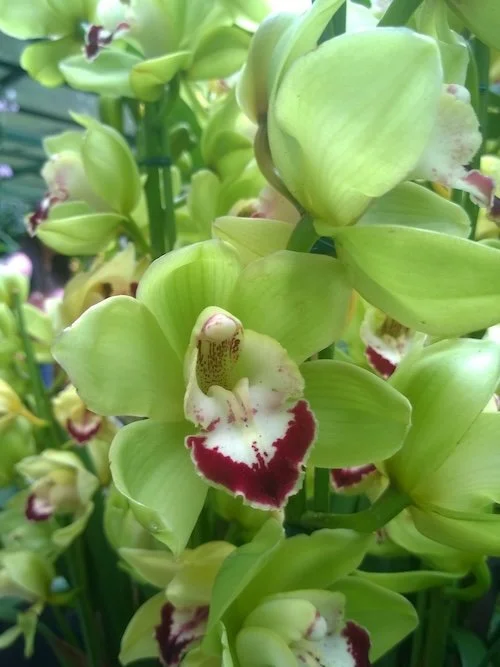
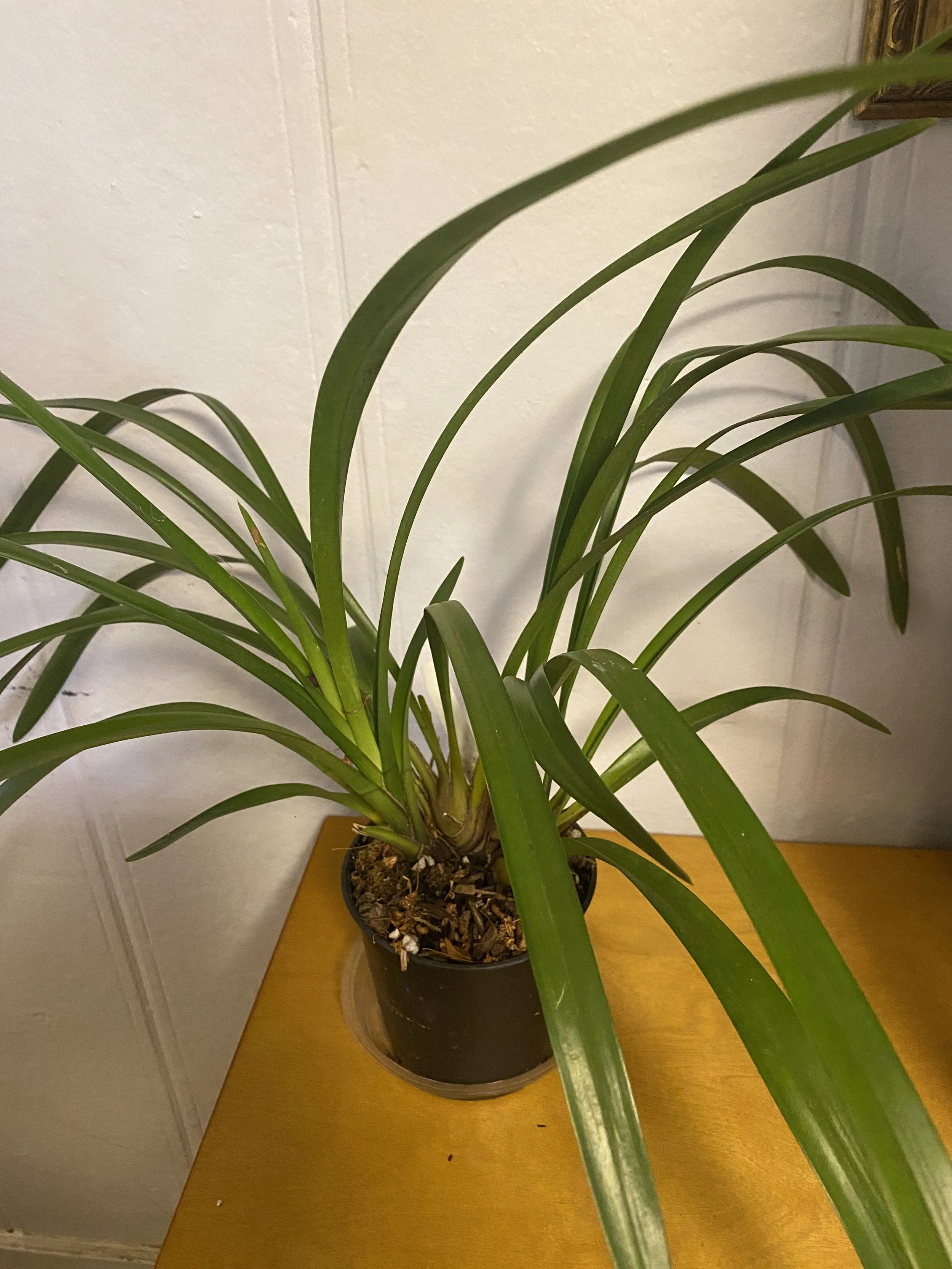
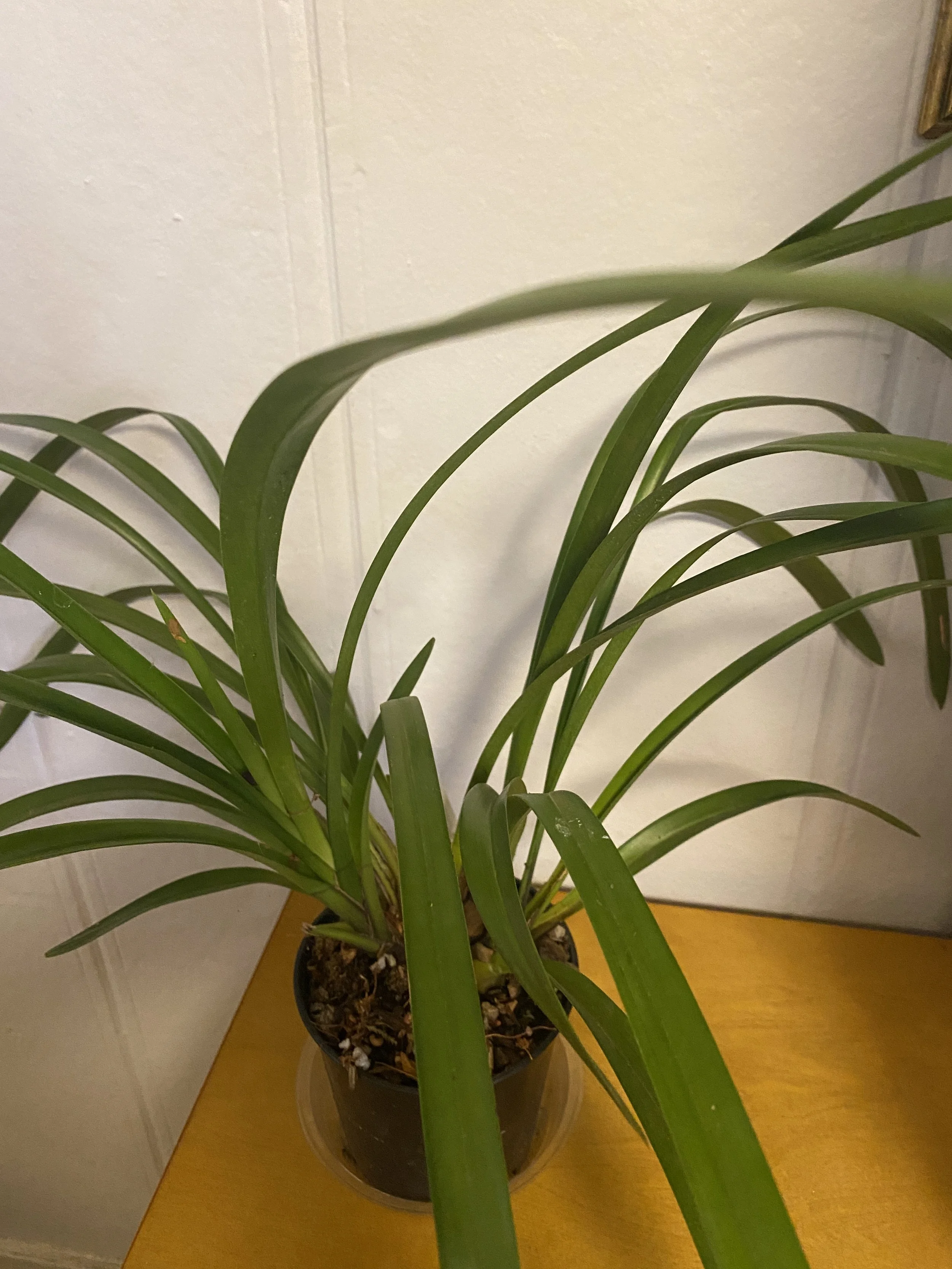
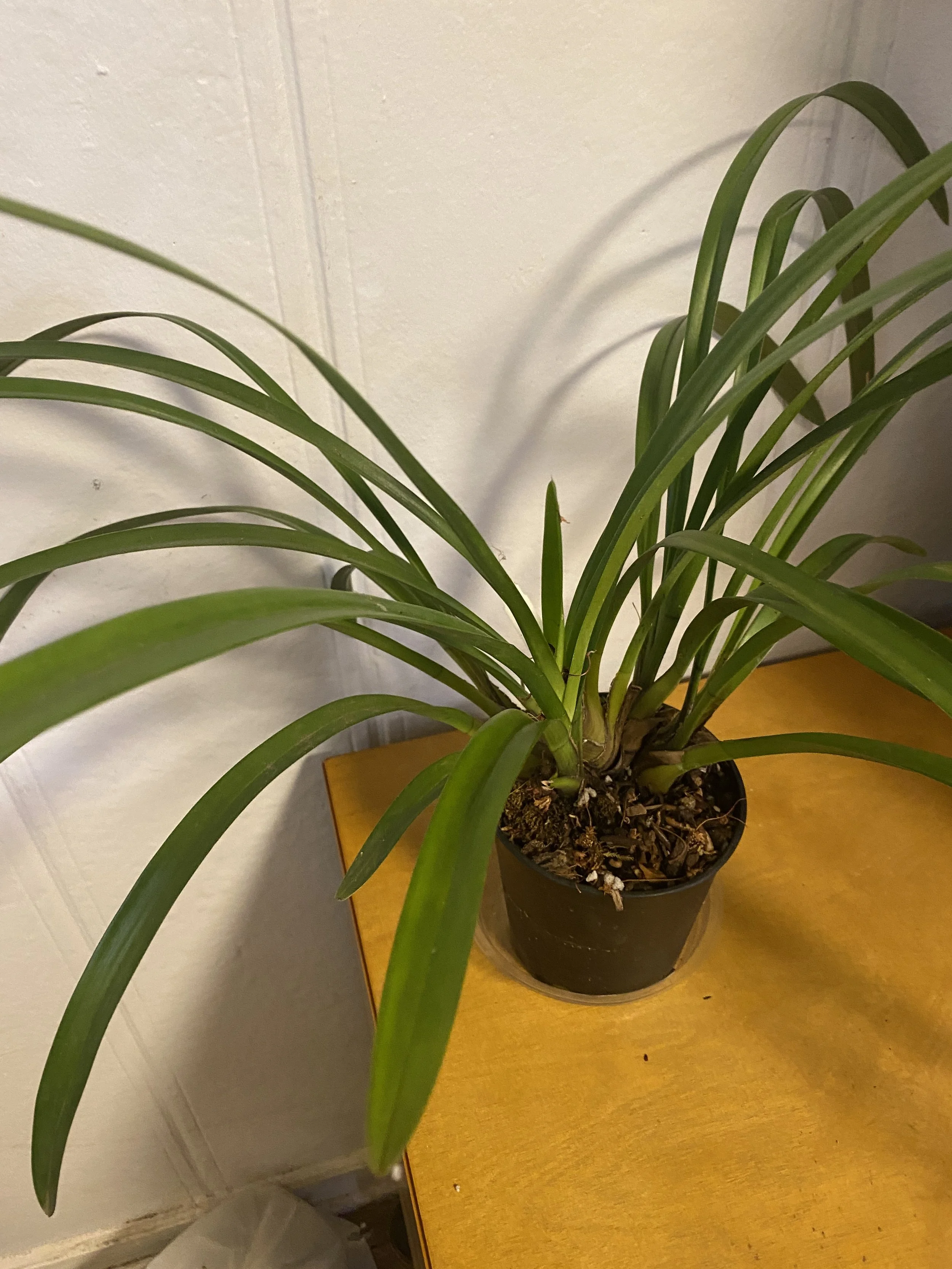
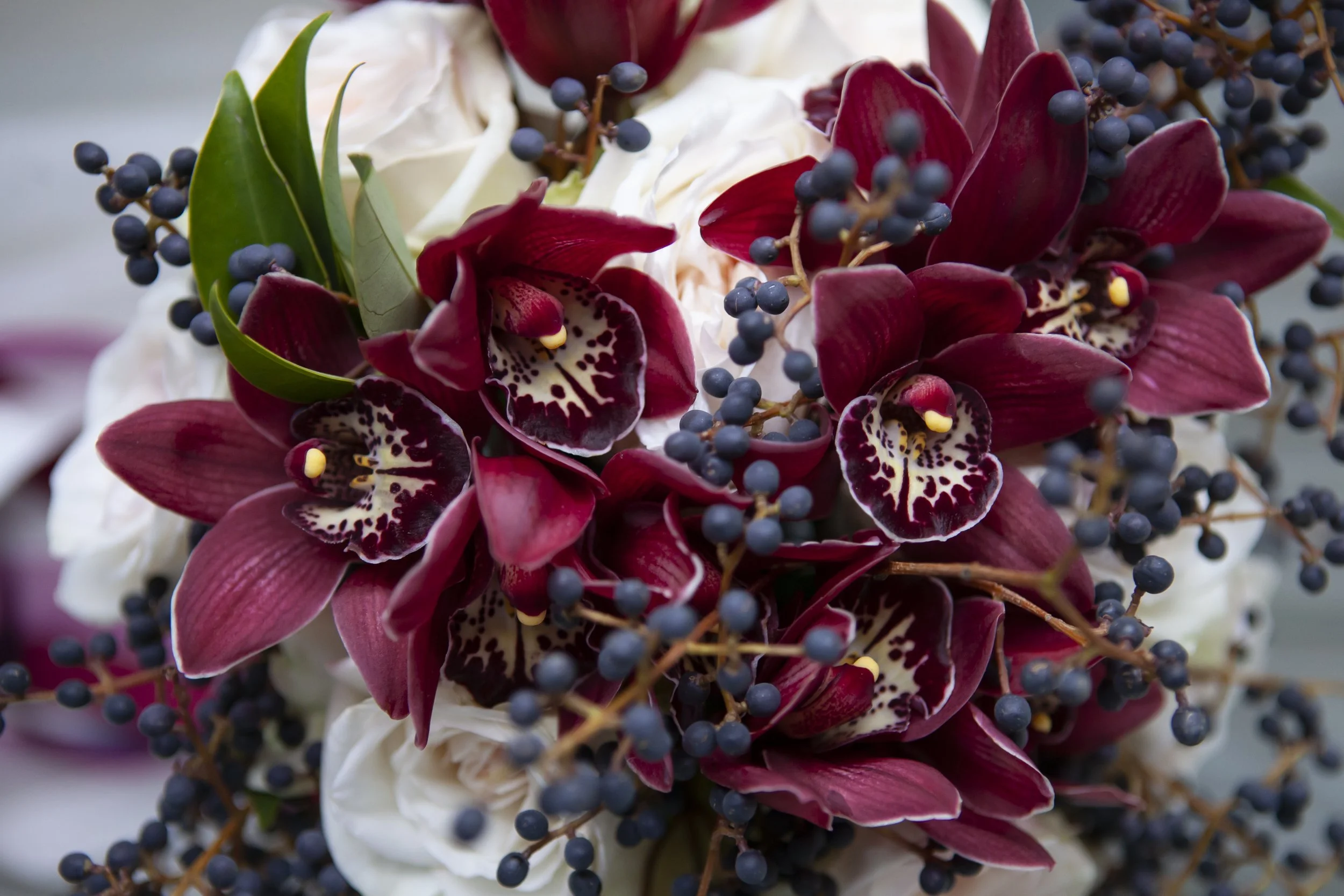
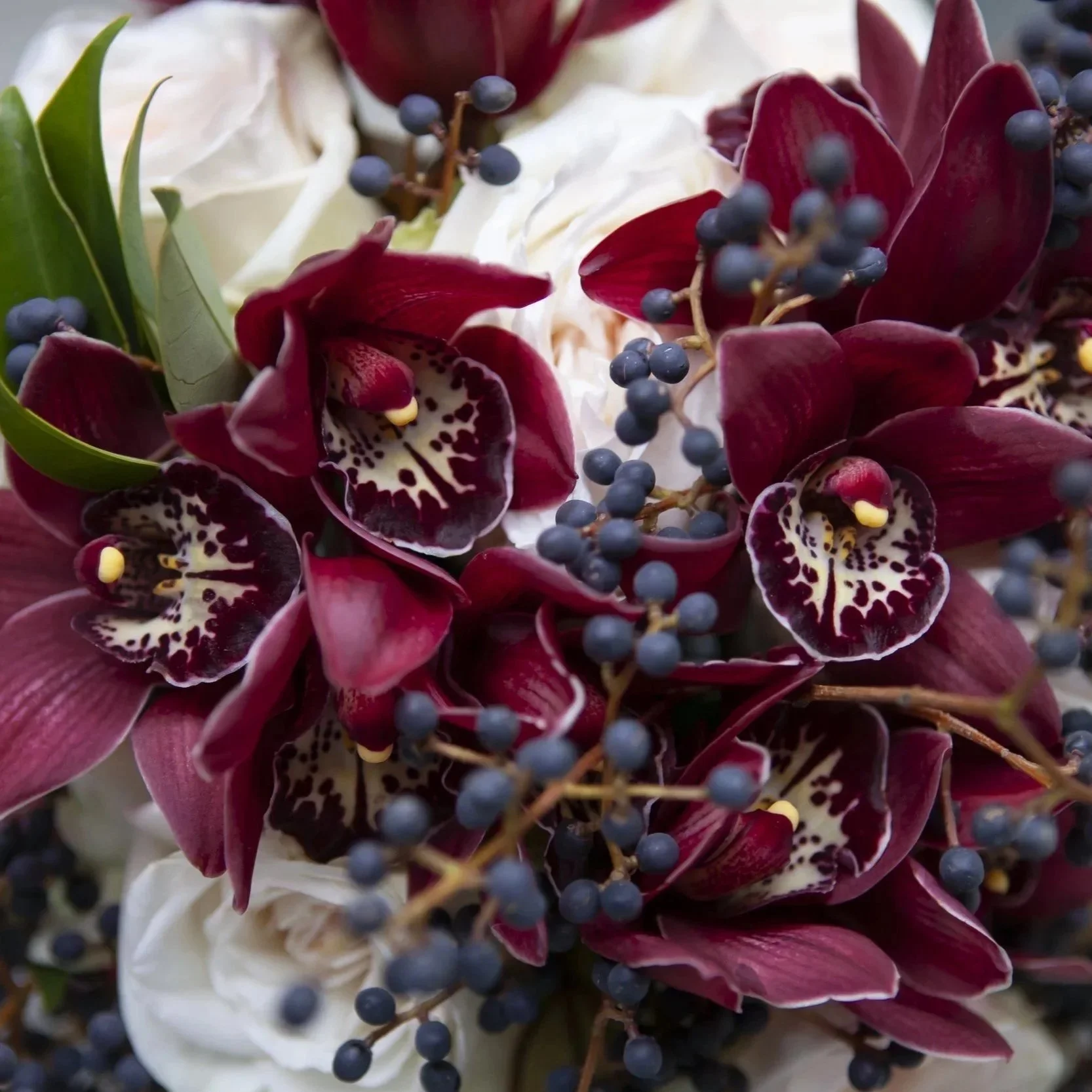
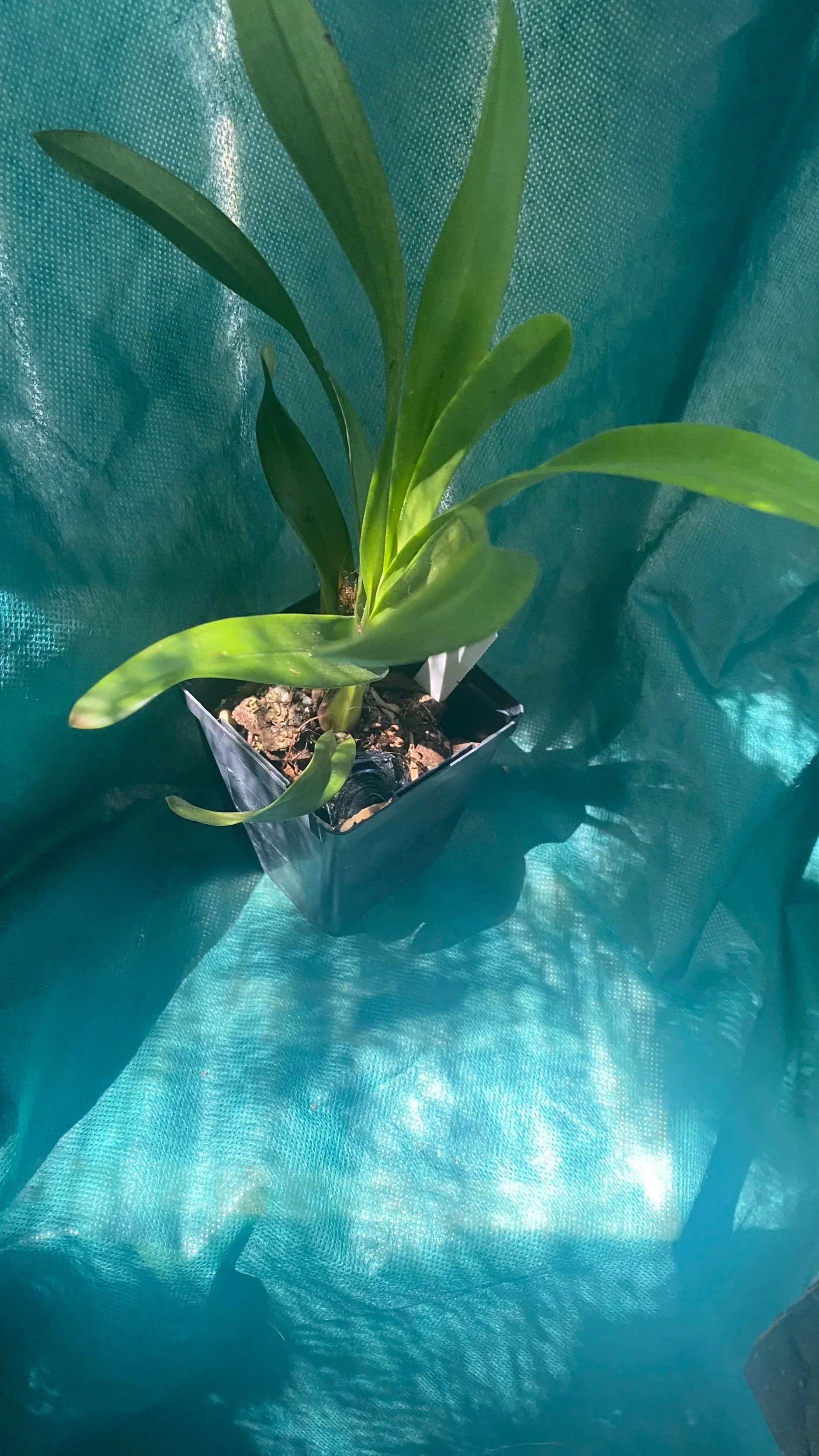
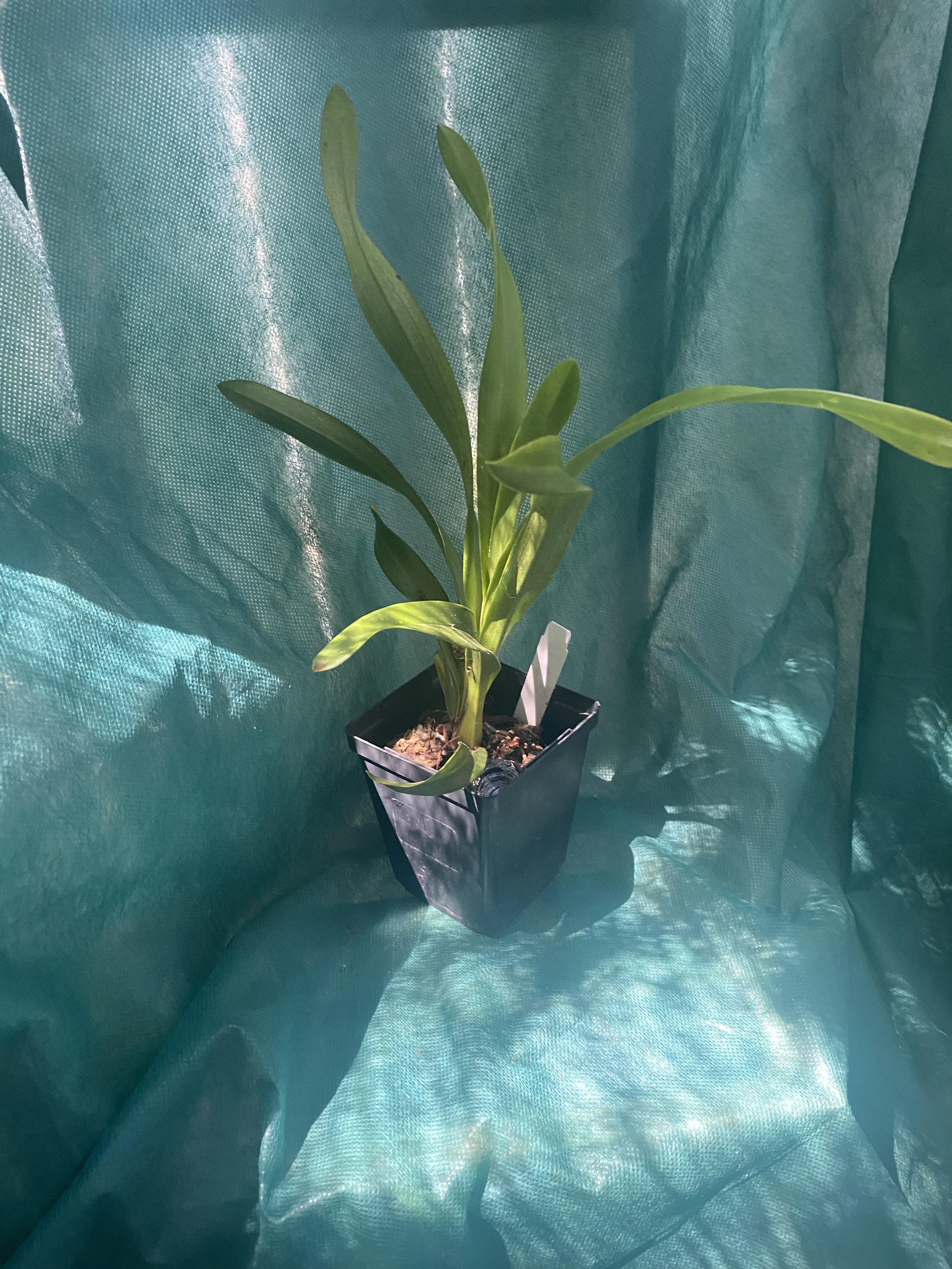
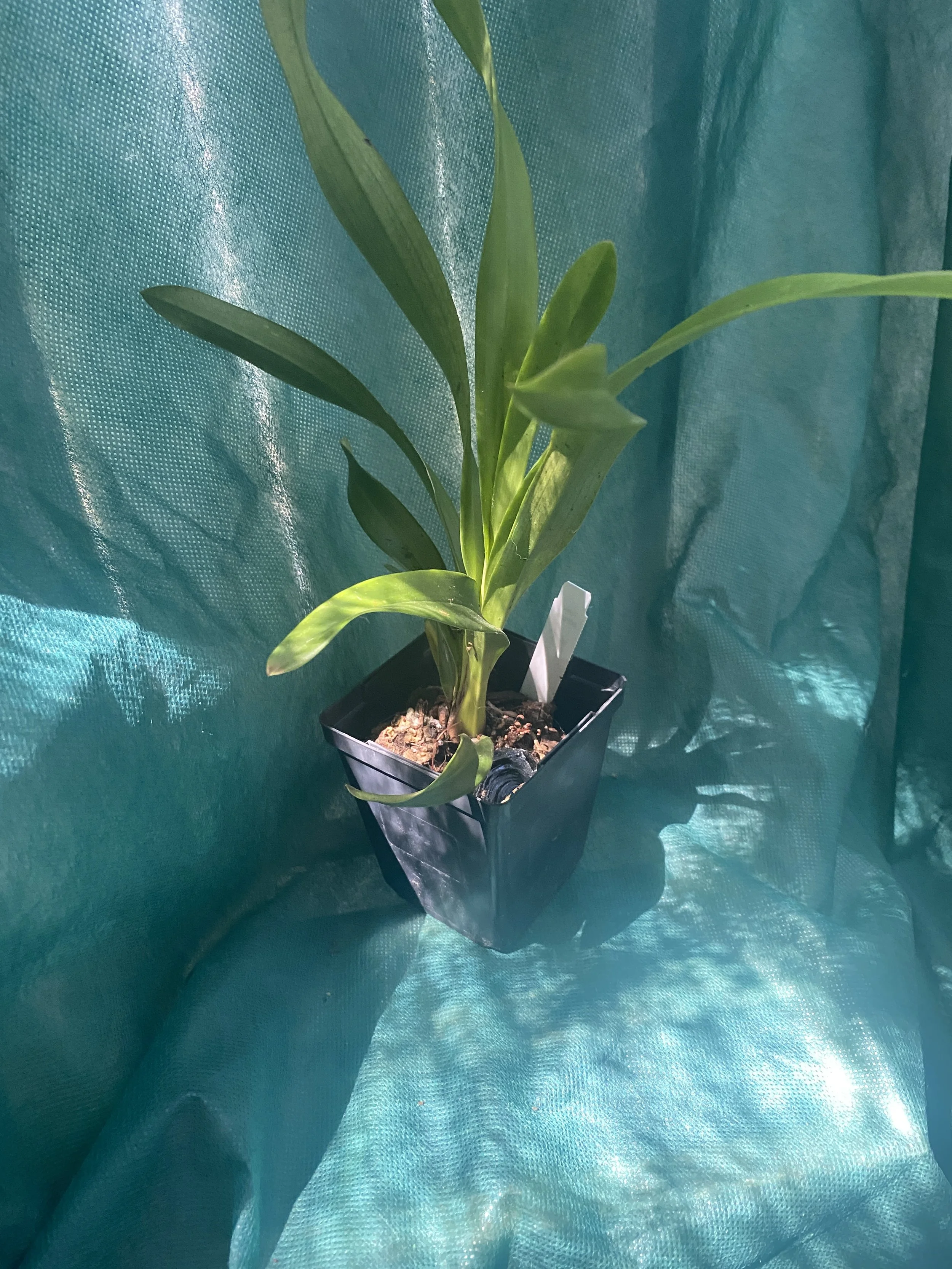
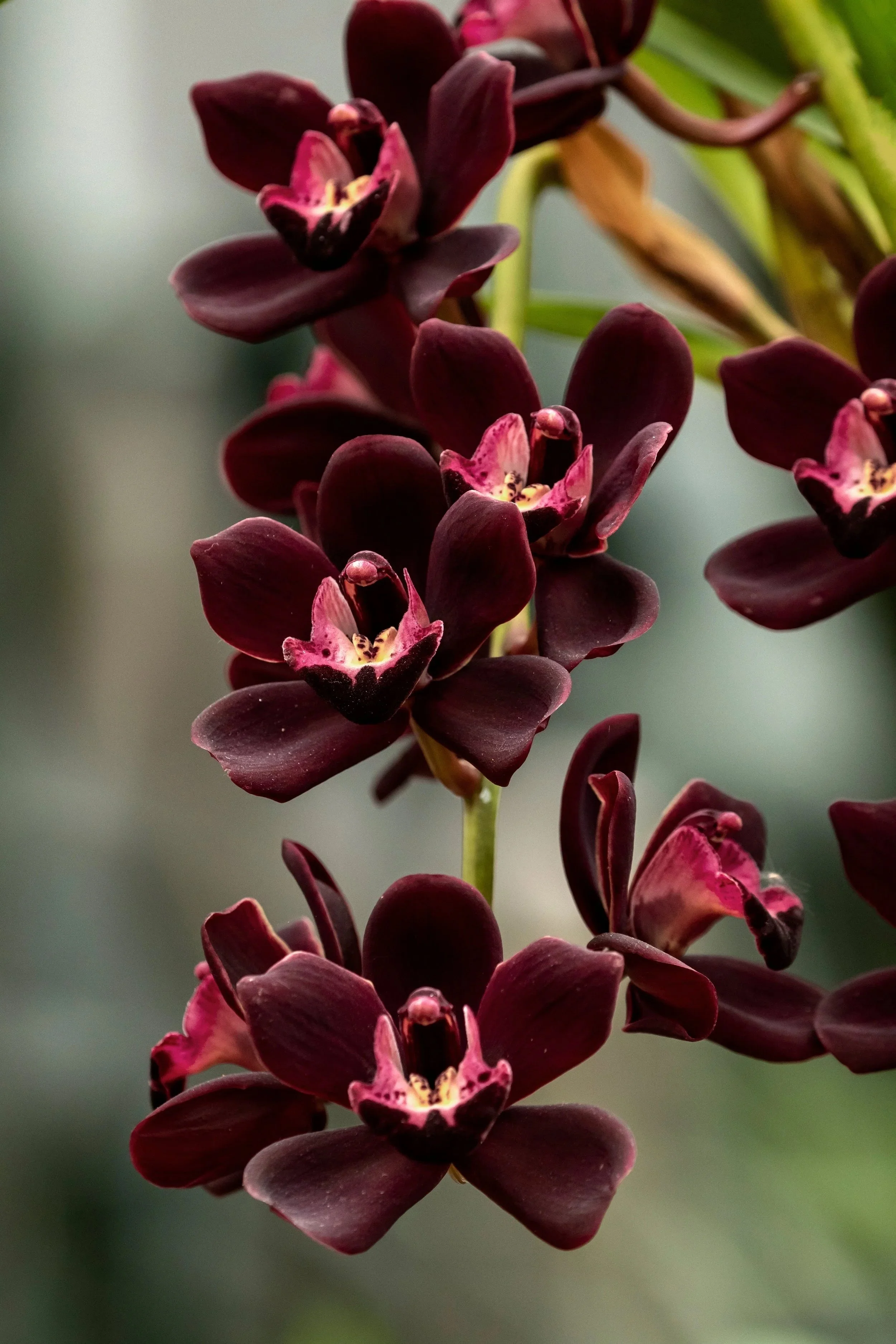
O'Dowds Orchids presents Black Forest 'Dark Spirit' x Elderberry Wine Rose — a statement hybrid for collectors who demand depth, drama, and refined bloom architecture. This outstanding orchid combines the velvety, near-black lip and dramatic color saturation of Black Forest 'Dark Spirit' with the complex, wine-rose tonalities and sculpted form of Elderberry Wine Rose, producing blooms that are at once sumptuous and elegant. Ideal for display, photography, or adding a signature piece to a couture collection. Five inch pot, standing 23 inches tall.
Why this plant deserves a place in your collection
Rare visual drama: Large, richly pigmented flowers with deep burgundy to near-black accents and contrasting rose-lavender overlays create intense visual impact.
Sculpted form: Broad, well-defined petals and a refined lip shape lend a sculptural quality suited to both traditional and modern displays.
Robust habit: Hybrid vigor produces reliable growth and repeat flowering under proper care, making it suitable for experienced enthusiasts and collectors aiming for consistent show-quality blooms.
Versatile display: Equally striking grown in a designer pot in a living room, as a focal point in a conservatory, or showcased at floral events and competitions.
What to expect
Flower size: Substantial blooms with strong substance and good longevity (often several weeks under ideal conditions).
Inflorescences: Multi-flowered spikes; potential for sequential blooms if spikes are supported and conditions are maintained.
Fragrance: Usually light to moderate; some examples show a subtle sweet or spicy note. (Fragrance can vary by plant and growing conditions.)
Care guidelines — keep your Black Forest 'Dark Spirit' x Elderberry Wine Rose thriving Environment
Light: Bright, filtered light. Aim for 2,000–3,000 foot-candles or bright indirect sun. Morning sun or bright shade is ideal. Signs of correct light: leaves a medium green; too much light produces yellowing with red or brown patches, too little yields dark green, limp growth.
Temperature: Intermediate to warm. Day 70–82°F (21–28°C), night 55–65°F (13–18°C). Maintain a 10–15°F (6–8°C) drop at night when possible to encourage strong growth and flowering.
Humidity: 50–70% relative humidity. Use trays, humidifiers, or group plants to maintain humidity without wetting leaves.
Watering and medium
Watering: Even moisture during active growth; allow the top of the potting medium to dry slightly between waterings. Reduce frequency in cooler, slower growth periods.
Medium: A well-draining mix — chunky fir bark or a blend of bark, perlite, and charcoal for excellent aeration. Avoid heavy, water-retentive mixes.
Potting: Repot every 2–3 years or when medium breaks down. Repot after flowering or when new growths are established.
Fertilizing
Use a balanced fertilizer (20-20-20 or similar) at quarter to half strength weekly during active growth, or use a complete orchid fertilizer at the manufacturer’s recommended intervals. Flush with plain water monthly to prevent salt buildup.
Increase potassium in late growth to promote stronger inflorescences (use a bloom-enhancing formula or add potassium sulfate as directed).
Airflow and disease prevention
Provide good air circulation around leaves and crowns to reduce rot and fungal issues.
Keep crowns dry when watering; if water collects, gently tilt pot to shed excess or water early in the day to allow evaporation.
Support and grooming
Stake long inflorescences to present blooms at their best. Remove spent flowers and previously used inflorescence segments as they finish to keep the plant tidy.
Trim dead roots and remove decayed medium at repotting.
Troubleshooting
Pale leaves and weak blooms: increase light gradually and ensure adequate fertilizer.
Leaf burn or black spots: likely too much direct sun or hot, dry conditions—move plant to brighter shade and increase humidity.
Yellowing with limp leaves: overwatering or poor drainage—check roots; if mushy, trim to healthy tissue and repot into fresh, airy medium.
O'Dowds Orchids presents Black Forest 'Dark Spirit' x Elderberry Wine Rose — a statement hybrid for collectors who demand depth, drama, and refined bloom architecture. This outstanding orchid combines the velvety, near-black lip and dramatic color saturation of Black Forest 'Dark Spirit' with the complex, wine-rose tonalities and sculpted form of Elderberry Wine Rose, producing blooms that are at once sumptuous and elegant. Ideal for display, photography, or adding a signature piece to a couture collection. Five inch pot, standing 23 inches tall.
Why this plant deserves a place in your collection
Rare visual drama: Large, richly pigmented flowers with deep burgundy to near-black accents and contrasting rose-lavender overlays create intense visual impact.
Sculpted form: Broad, well-defined petals and a refined lip shape lend a sculptural quality suited to both traditional and modern displays.
Robust habit: Hybrid vigor produces reliable growth and repeat flowering under proper care, making it suitable for experienced enthusiasts and collectors aiming for consistent show-quality blooms.
Versatile display: Equally striking grown in a designer pot in a living room, as a focal point in a conservatory, or showcased at floral events and competitions.
What to expect
Flower size: Substantial blooms with strong substance and good longevity (often several weeks under ideal conditions).
Inflorescences: Multi-flowered spikes; potential for sequential blooms if spikes are supported and conditions are maintained.
Fragrance: Usually light to moderate; some examples show a subtle sweet or spicy note. (Fragrance can vary by plant and growing conditions.)
Care guidelines — keep your Black Forest 'Dark Spirit' x Elderberry Wine Rose thriving Environment
Light: Bright, filtered light. Aim for 2,000–3,000 foot-candles or bright indirect sun. Morning sun or bright shade is ideal. Signs of correct light: leaves a medium green; too much light produces yellowing with red or brown patches, too little yields dark green, limp growth.
Temperature: Intermediate to warm. Day 70–82°F (21–28°C), night 55–65°F (13–18°C). Maintain a 10–15°F (6–8°C) drop at night when possible to encourage strong growth and flowering.
Humidity: 50–70% relative humidity. Use trays, humidifiers, or group plants to maintain humidity without wetting leaves.
Watering and medium
Watering: Even moisture during active growth; allow the top of the potting medium to dry slightly between waterings. Reduce frequency in cooler, slower growth periods.
Medium: A well-draining mix — chunky fir bark or a blend of bark, perlite, and charcoal for excellent aeration. Avoid heavy, water-retentive mixes.
Potting: Repot every 2–3 years or when medium breaks down. Repot after flowering or when new growths are established.
Fertilizing
Use a balanced fertilizer (20-20-20 or similar) at quarter to half strength weekly during active growth, or use a complete orchid fertilizer at the manufacturer’s recommended intervals. Flush with plain water monthly to prevent salt buildup.
Increase potassium in late growth to promote stronger inflorescences (use a bloom-enhancing formula or add potassium sulfate as directed).
Airflow and disease prevention
Provide good air circulation around leaves and crowns to reduce rot and fungal issues.
Keep crowns dry when watering; if water collects, gently tilt pot to shed excess or water early in the day to allow evaporation.
Support and grooming
Stake long inflorescences to present blooms at their best. Remove spent flowers and previously used inflorescence segments as they finish to keep the plant tidy.
Trim dead roots and remove decayed medium at repotting.
Troubleshooting
Pale leaves and weak blooms: increase light gradually and ensure adequate fertilizer.
Leaf burn or black spots: likely too much direct sun or hot, dry conditions—move plant to brighter shade and increase humidity.
Yellowing with limp leaves: overwatering or poor drainage—check roots; if mushy, trim to healthy tissue and repot into fresh, airy medium.