 Image 1 of 5
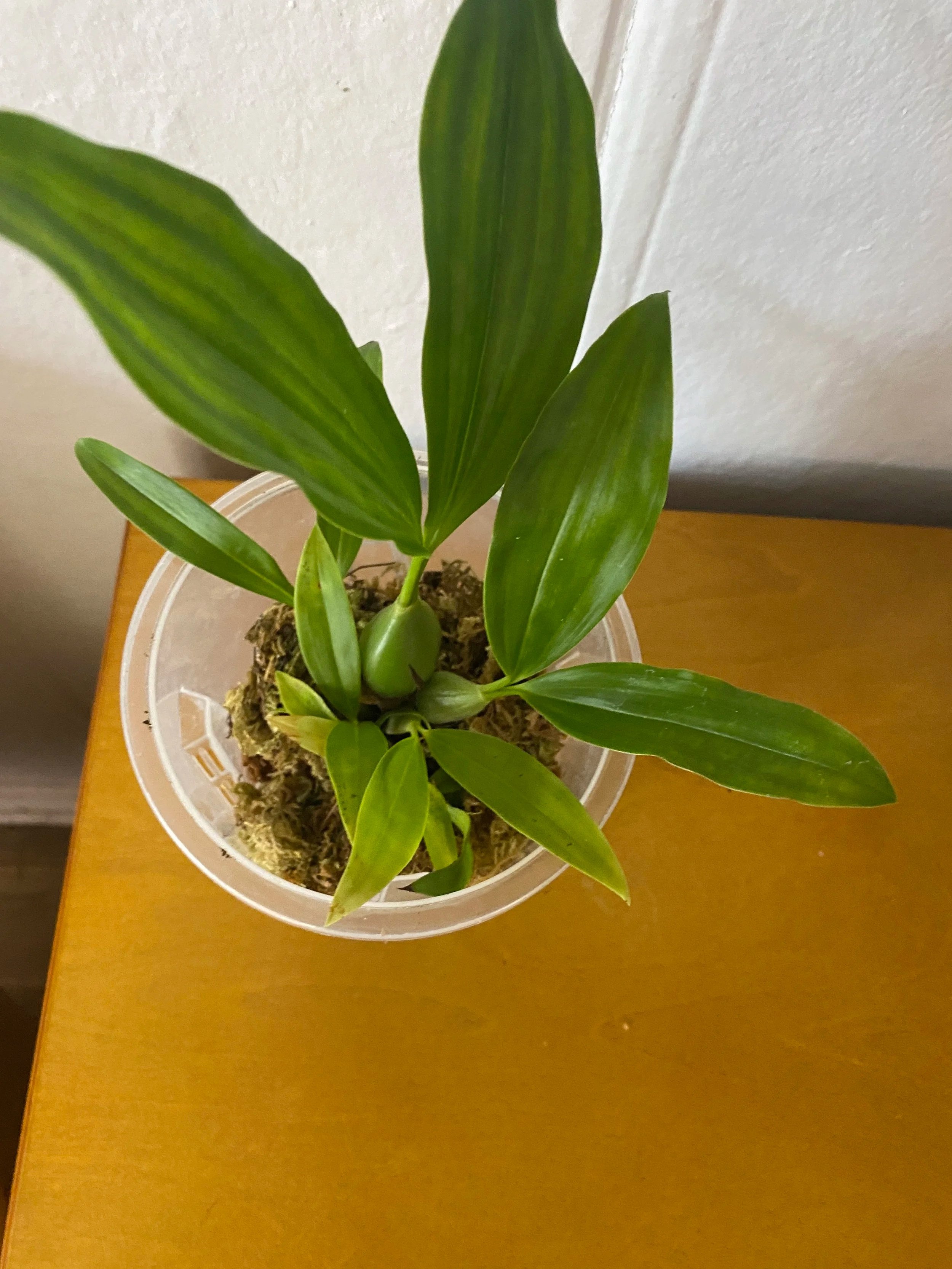 Image 2 of 5
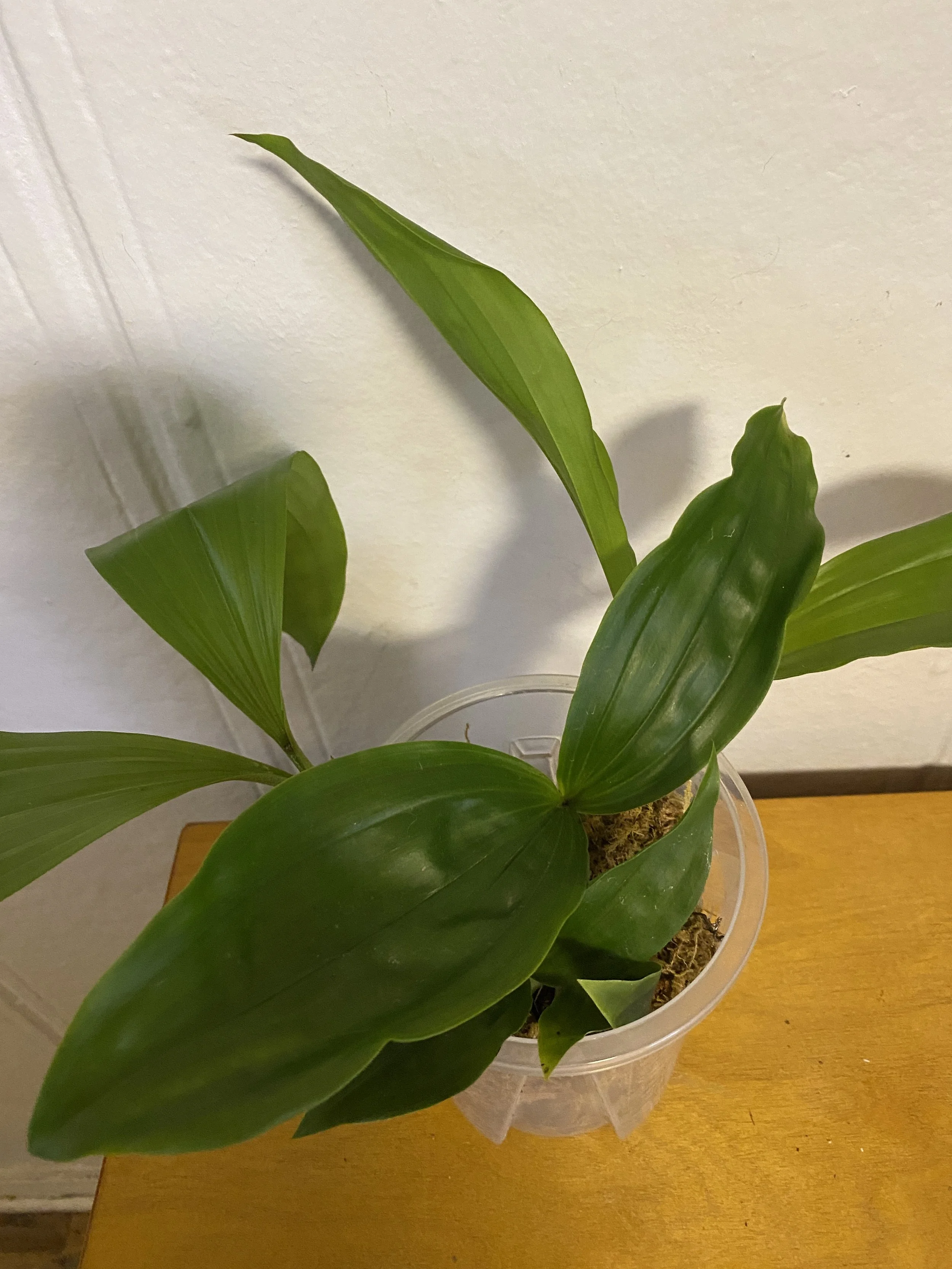 Image 3 of 5
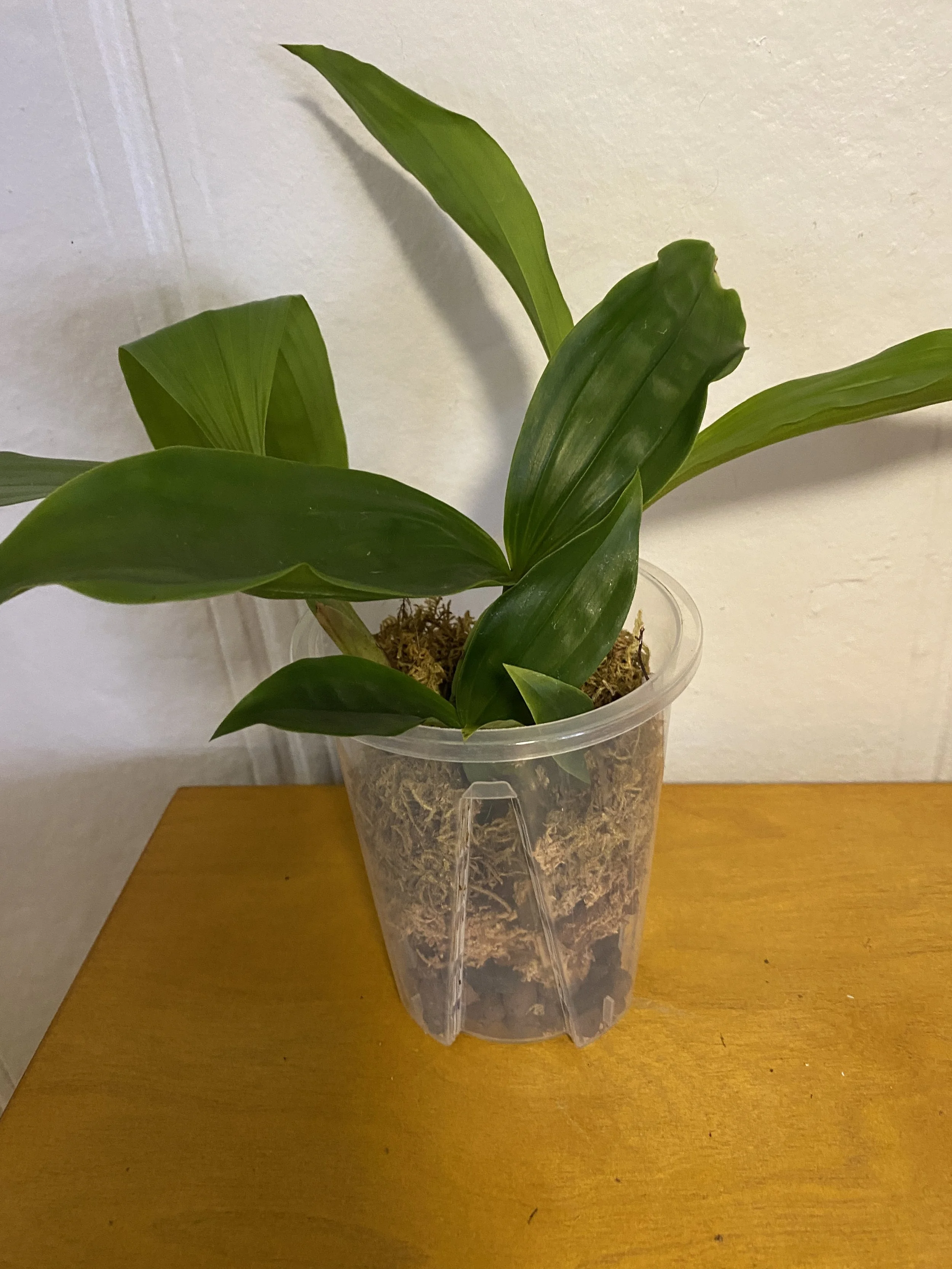 Image 4 of 5
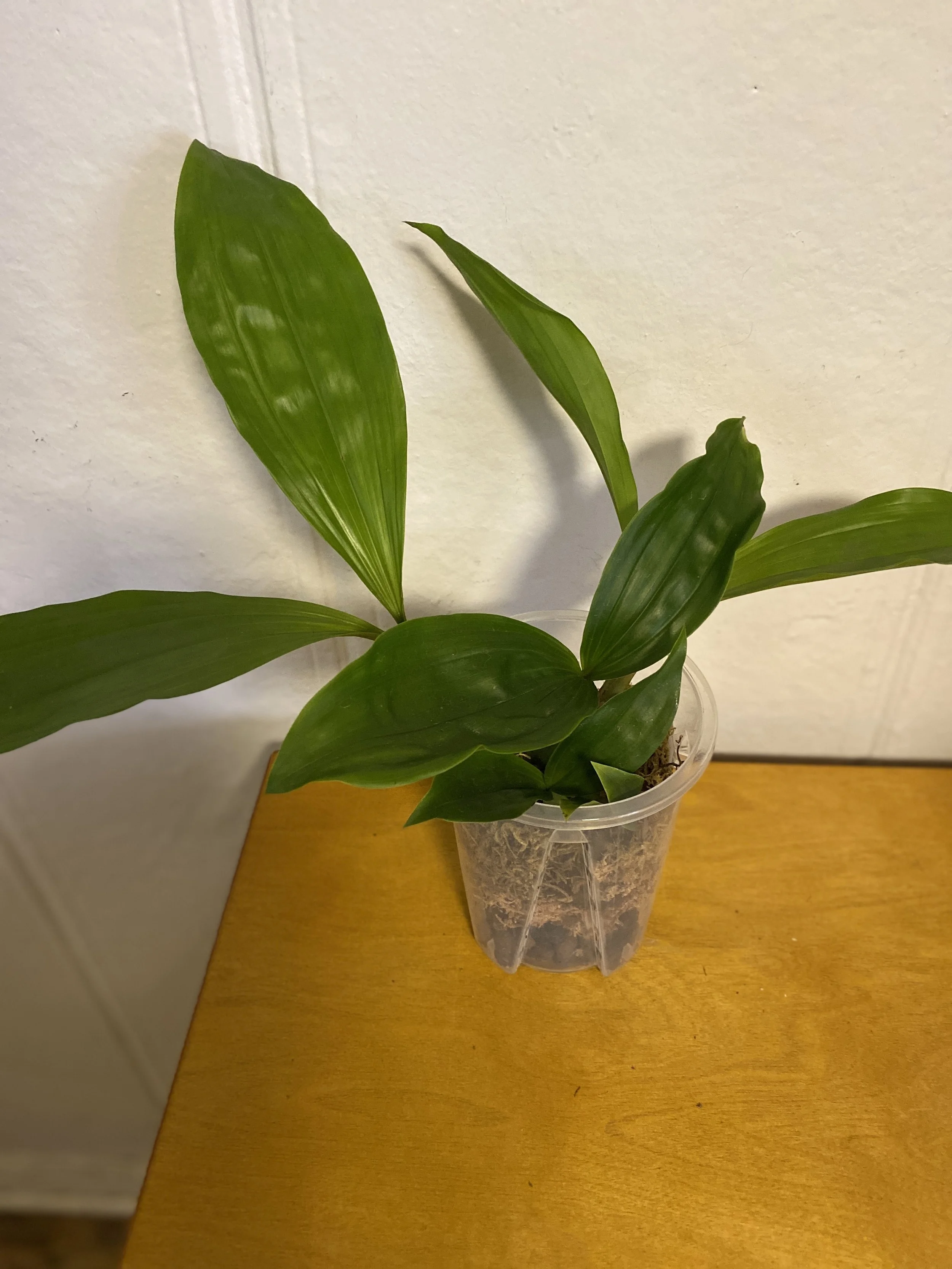 Image 5 of 5
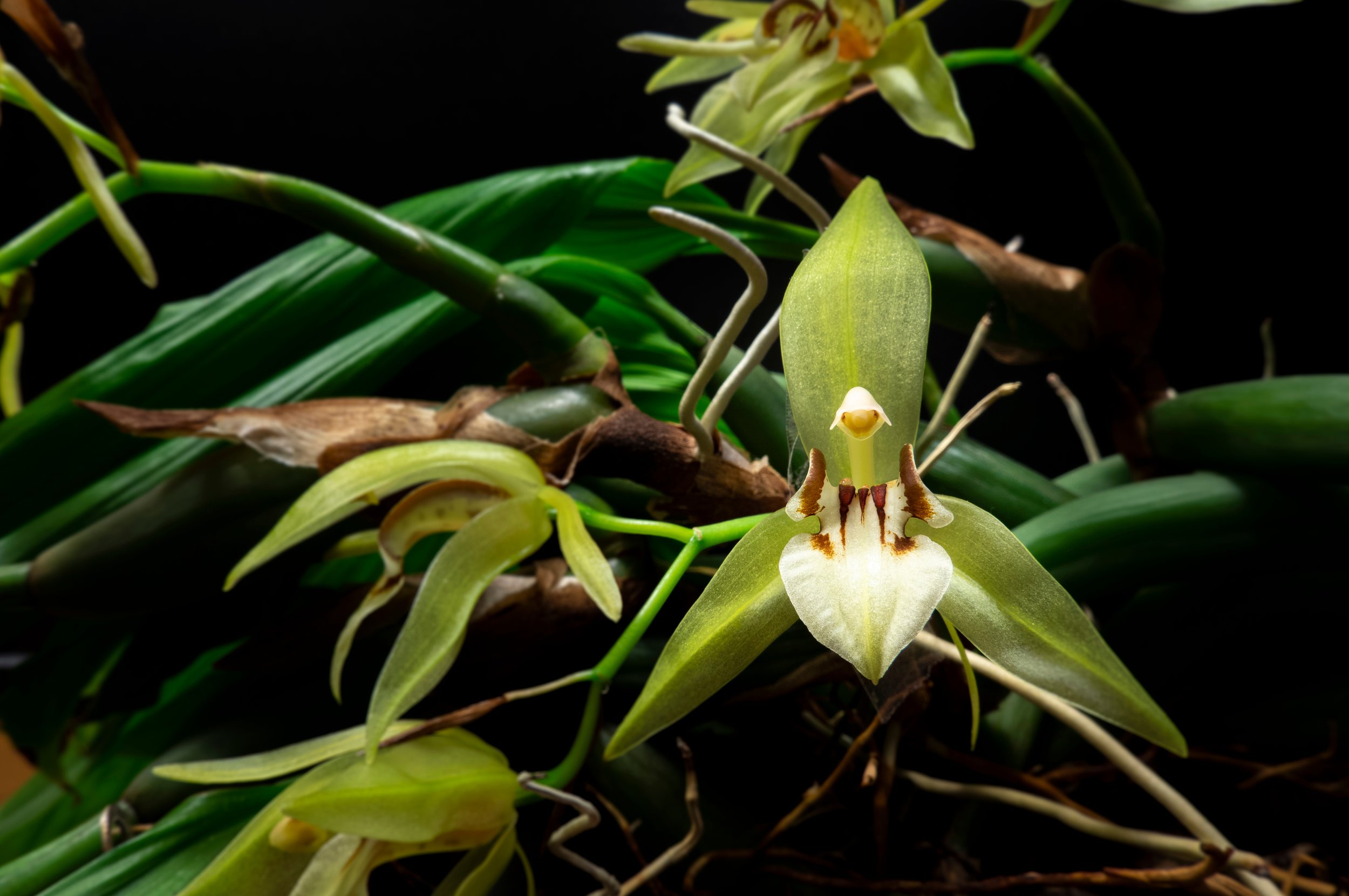
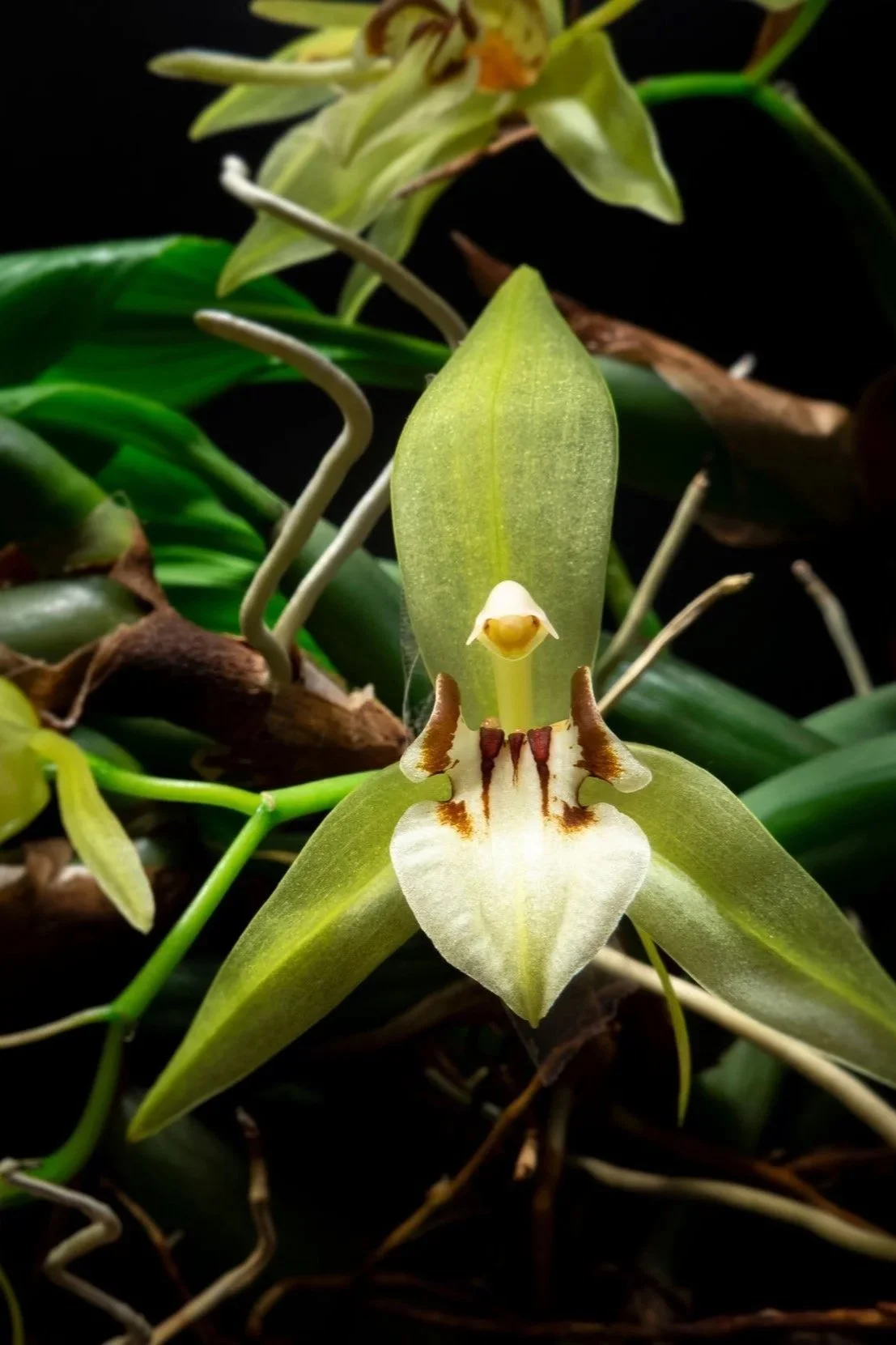
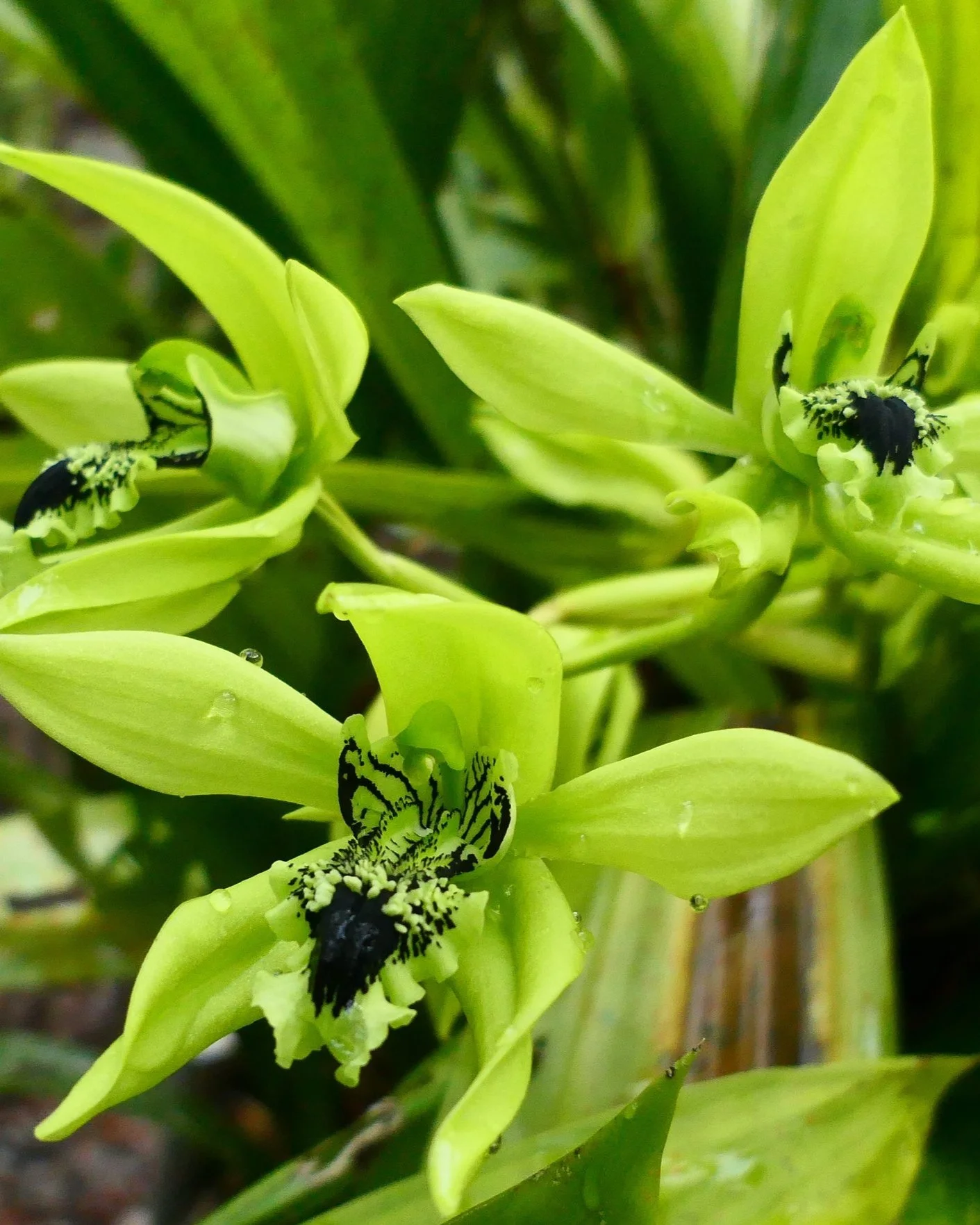
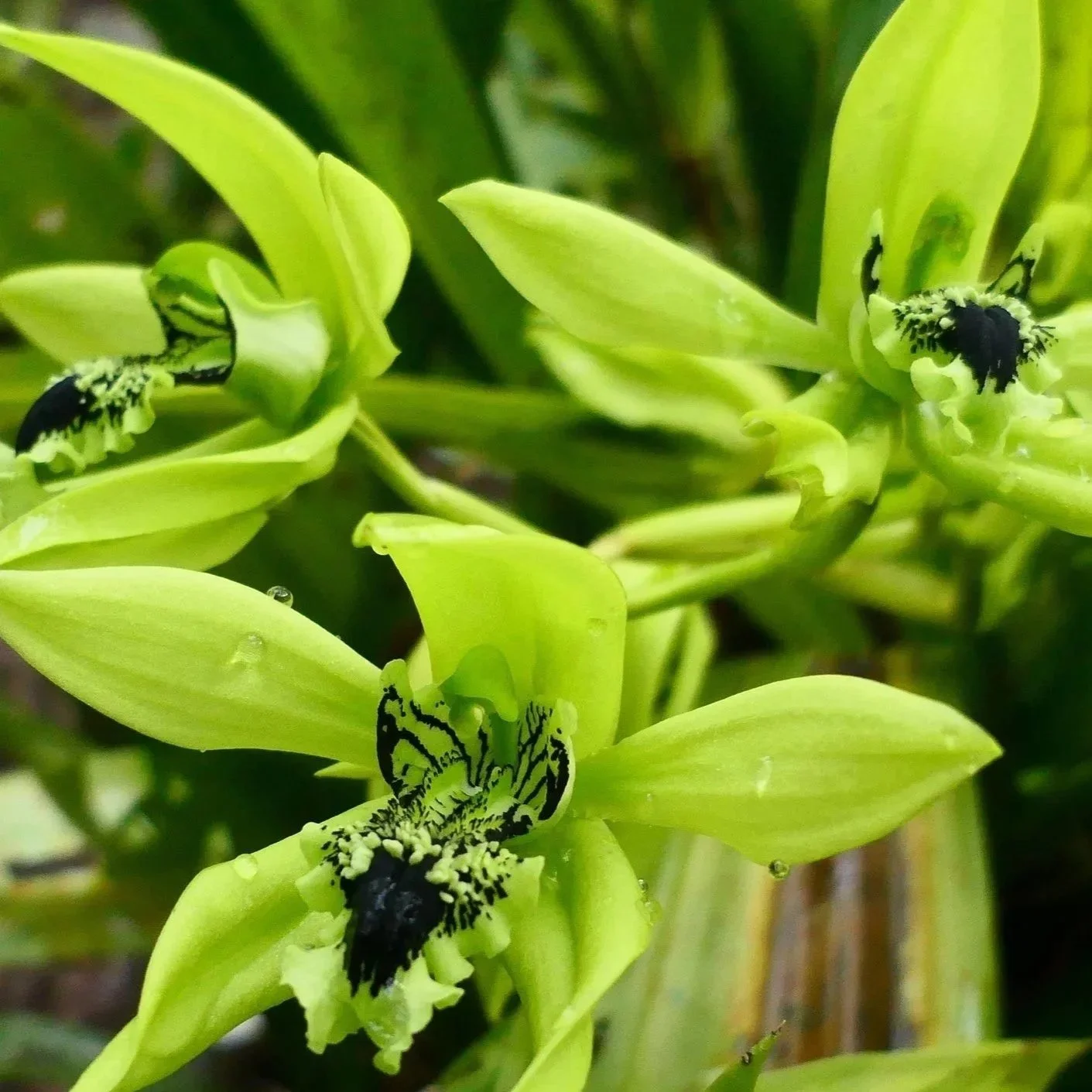
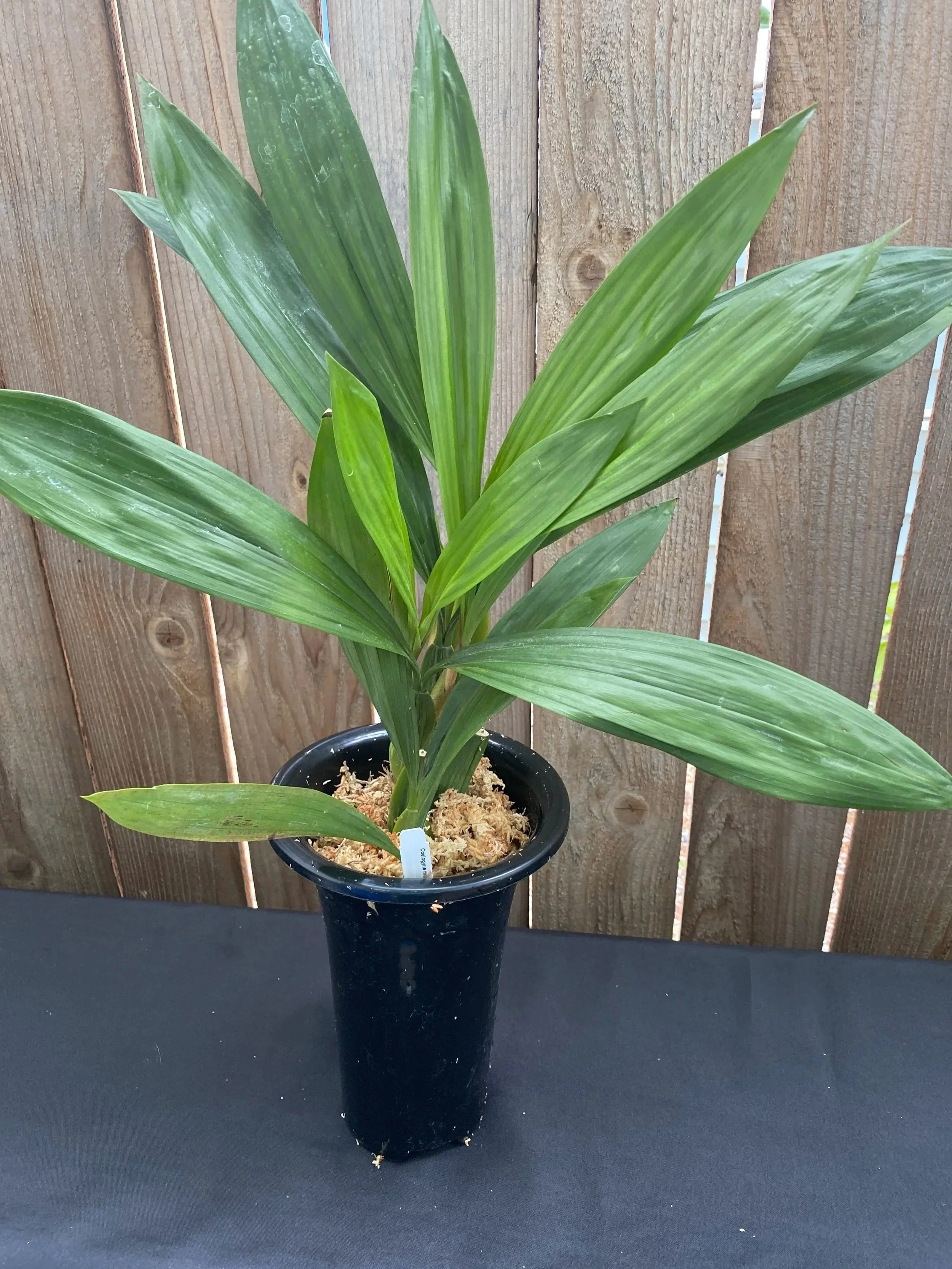
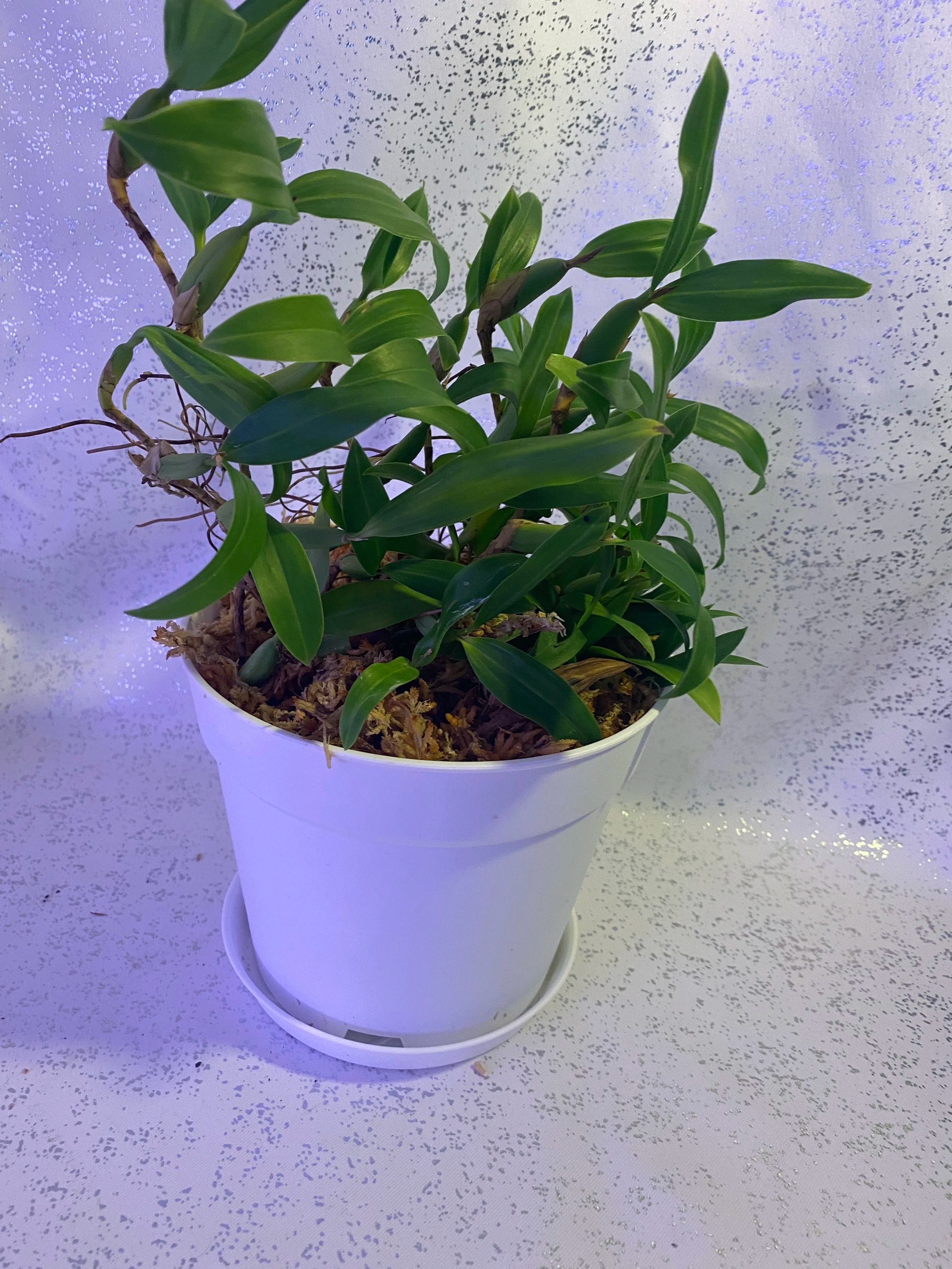
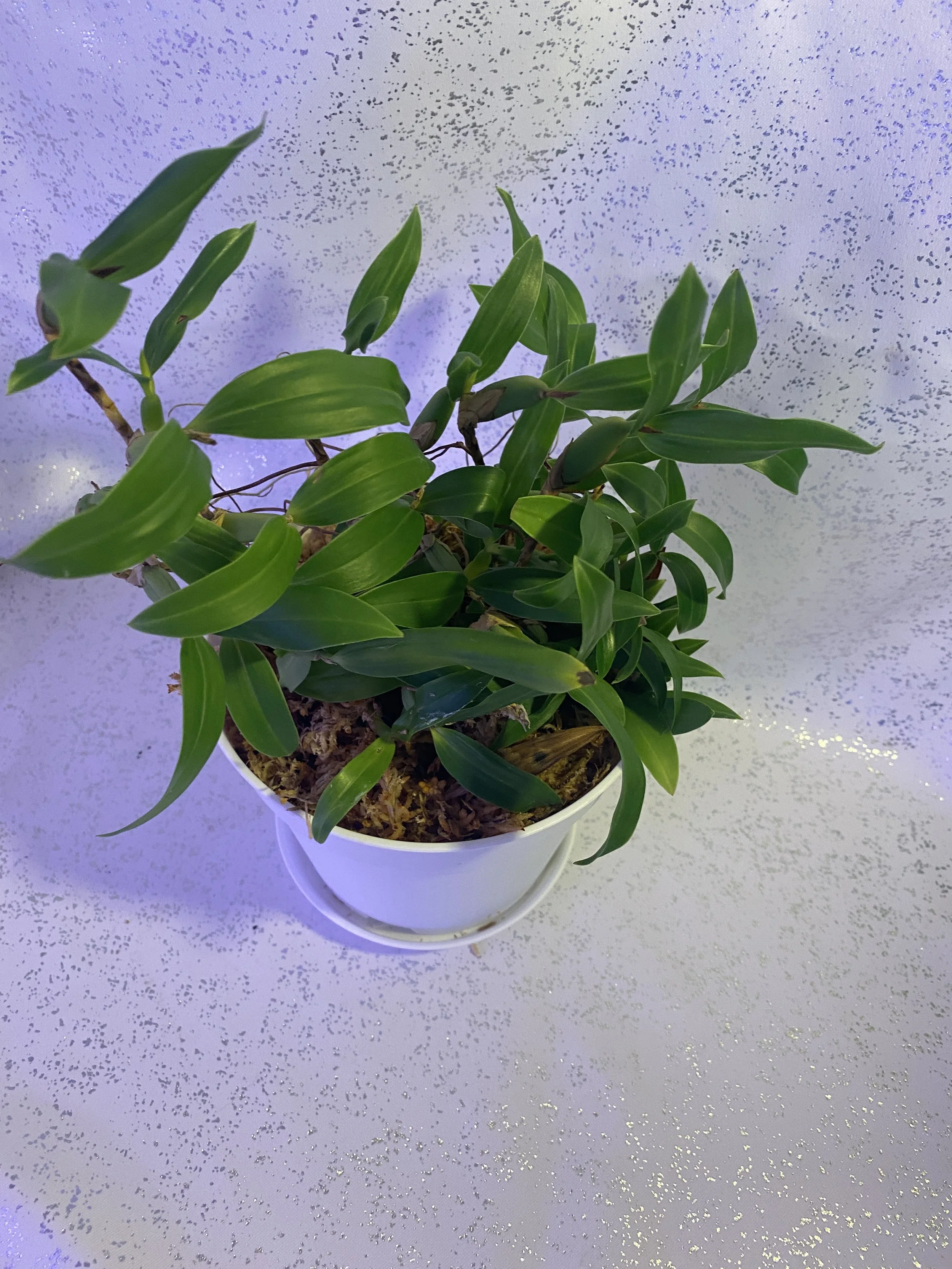
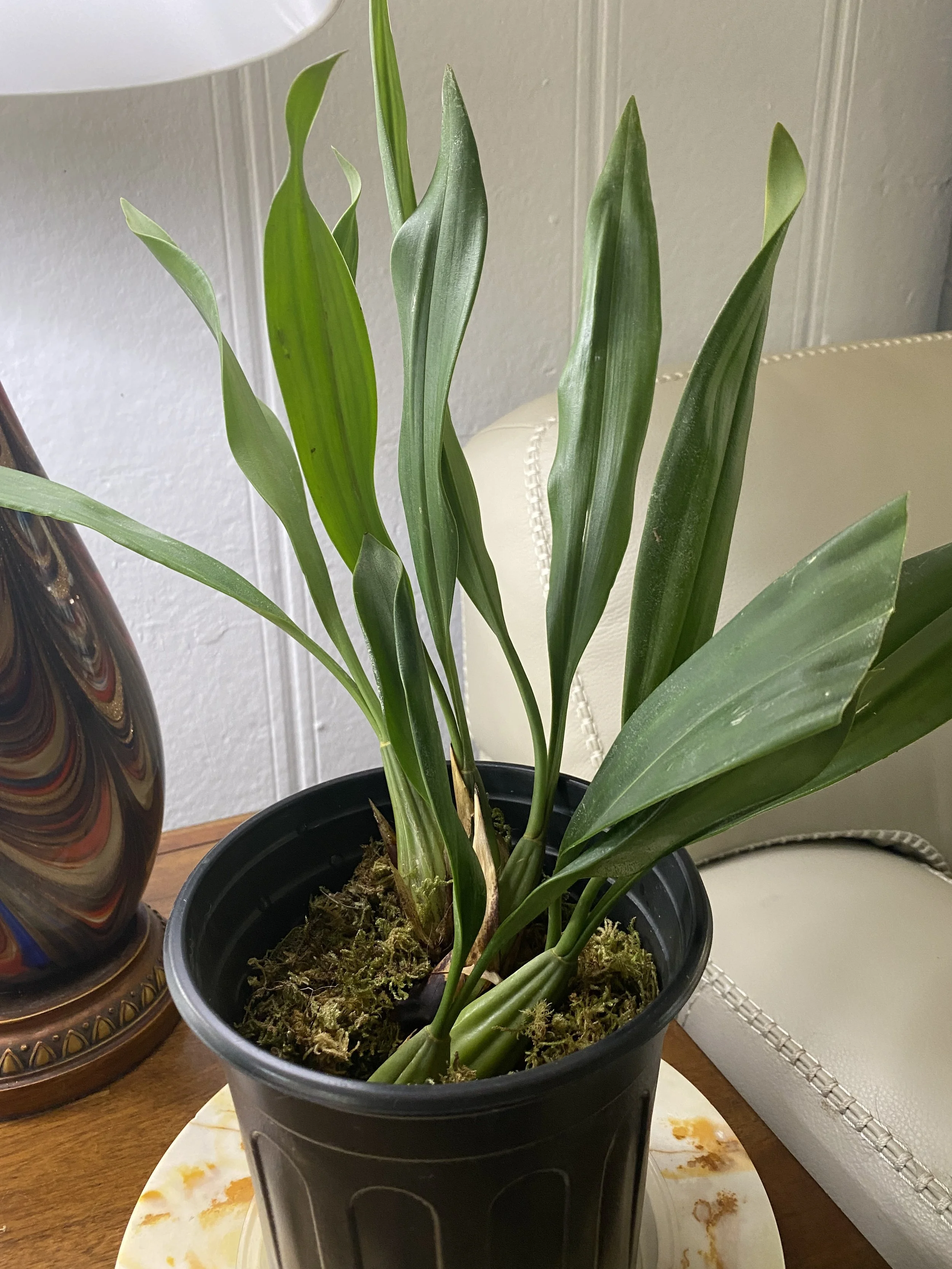
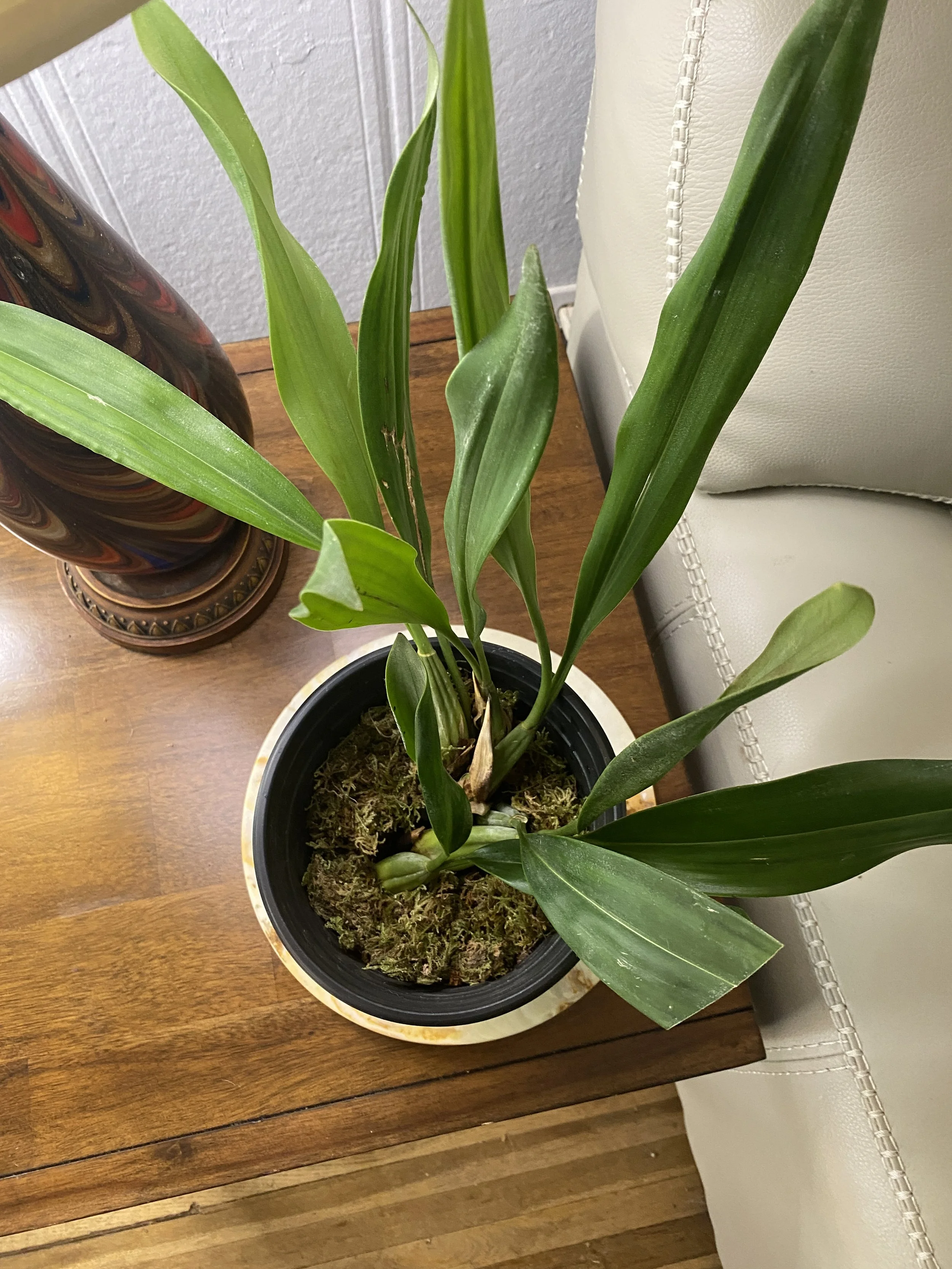
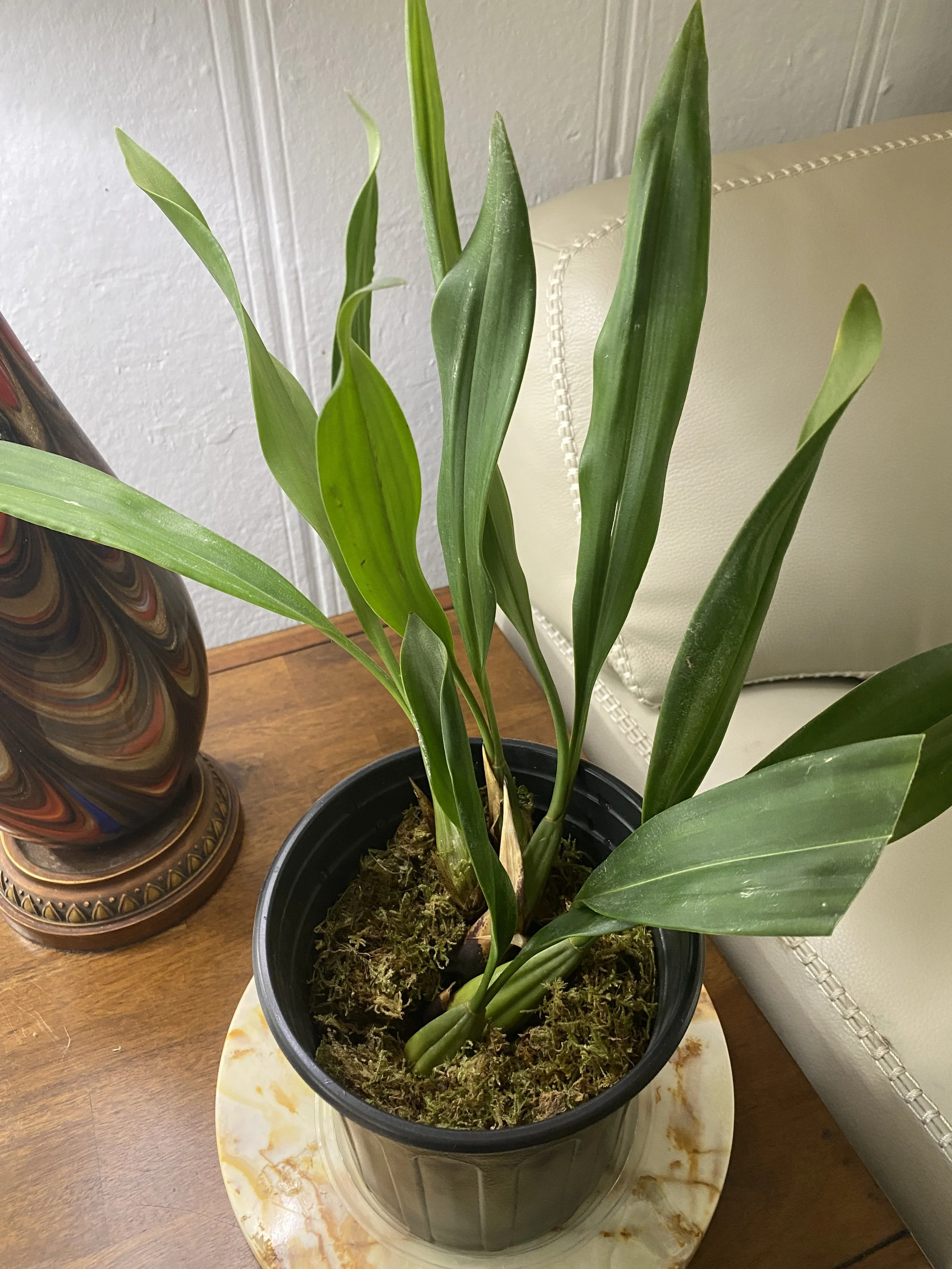
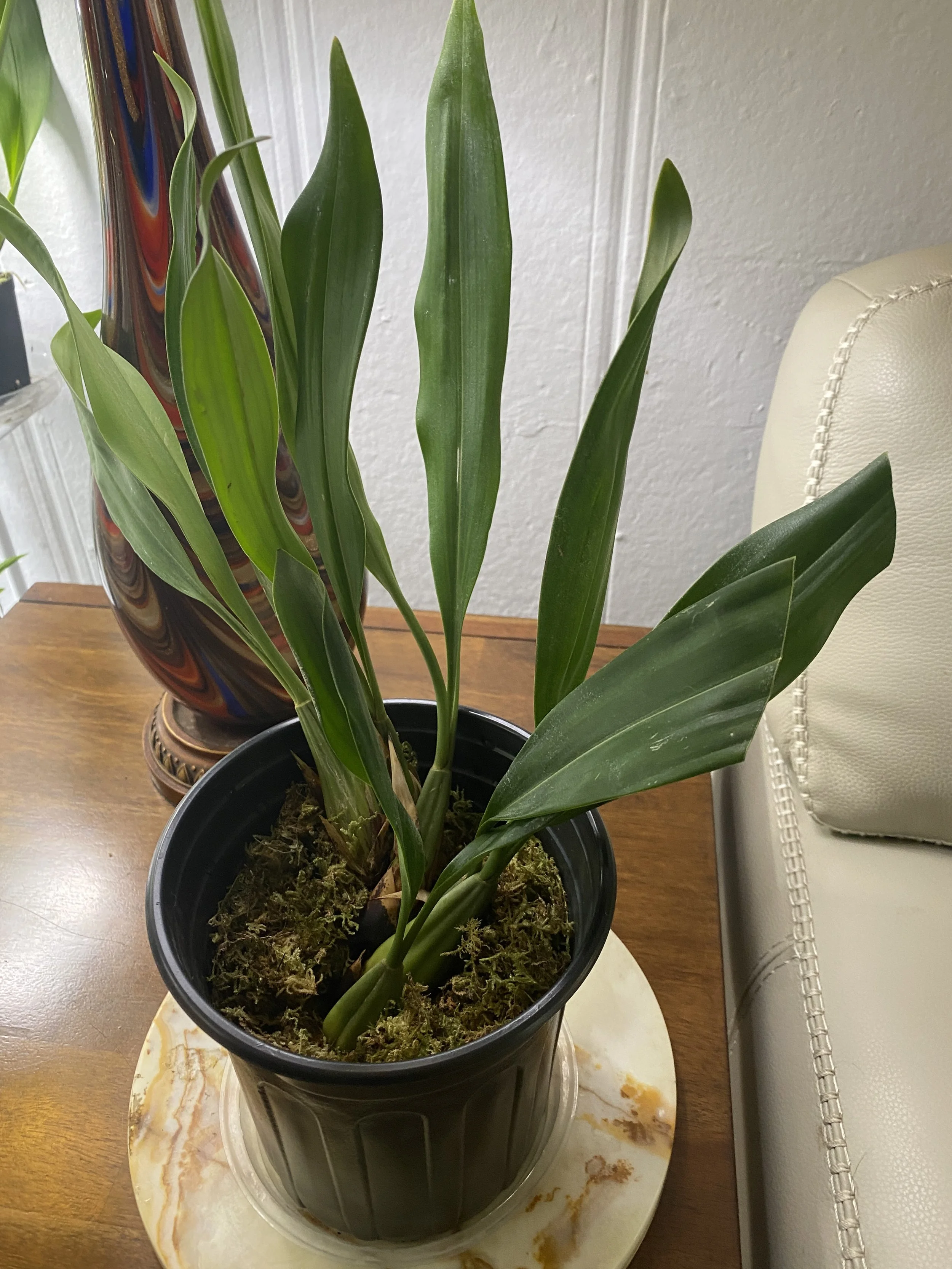
Discover the rare elegance of O'Dowd’s Orchids Coelogyne swaniana — a sublime addition for collectors and connoisseurs who demand both refinement and rarity.
Why Coelogyne swaniana?
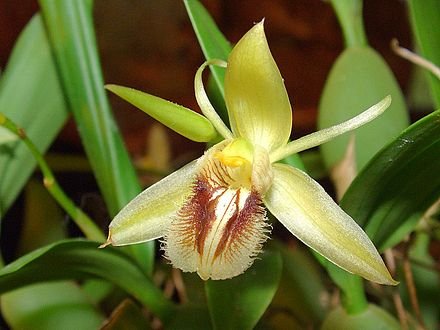
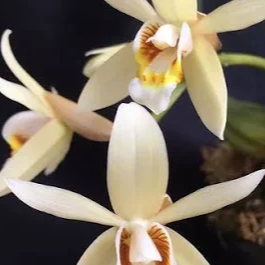
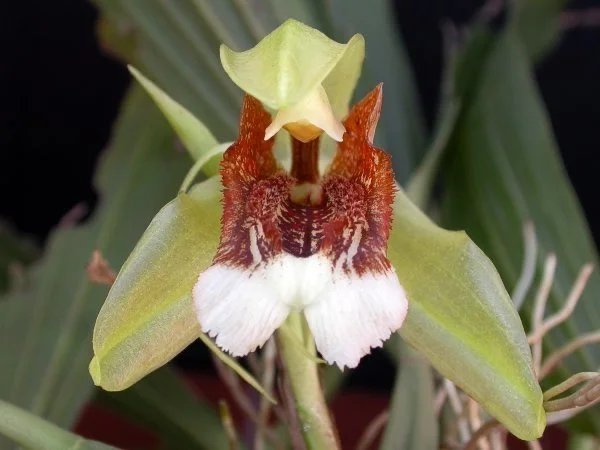
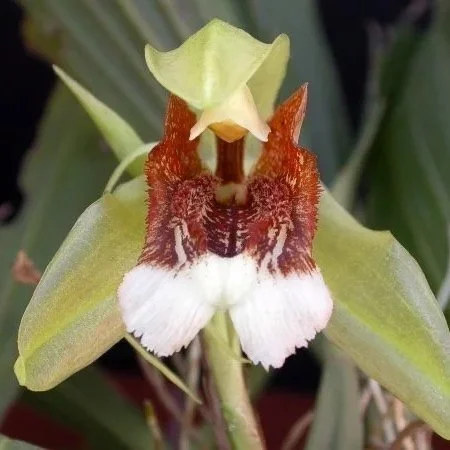
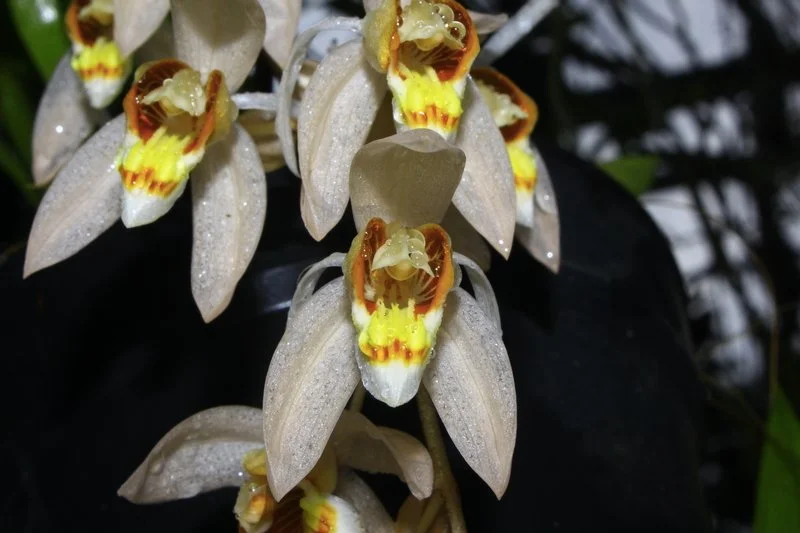
Exquisite blooms: Delicate, porcelain-like petals with subtle veining and a sculpted lip create an ethereal presence that draws the eye without overwhelming.
Distinctive fragrance: A light, honeyed scent that enhances indoor spaces with a graceful, natural perfume during bloom.
Long-lasting display: Each inflorescence produces multiple flowers that hold their form and color for weeks, rewarding patience with enduring beauty.
Compact elegance: Ideal for display in apartments, conservatories, or custom orchid cabinets — this species offers high-impact visual appeal in modest space.
Perfect for
Serious collectors seeking a standout Coelogyne
Designers and stylists wanting a refined, long-lasting floral focal point
Gift givers aiming for a truly memorable, cultivated present
Caring for your Coelogyne swaniana
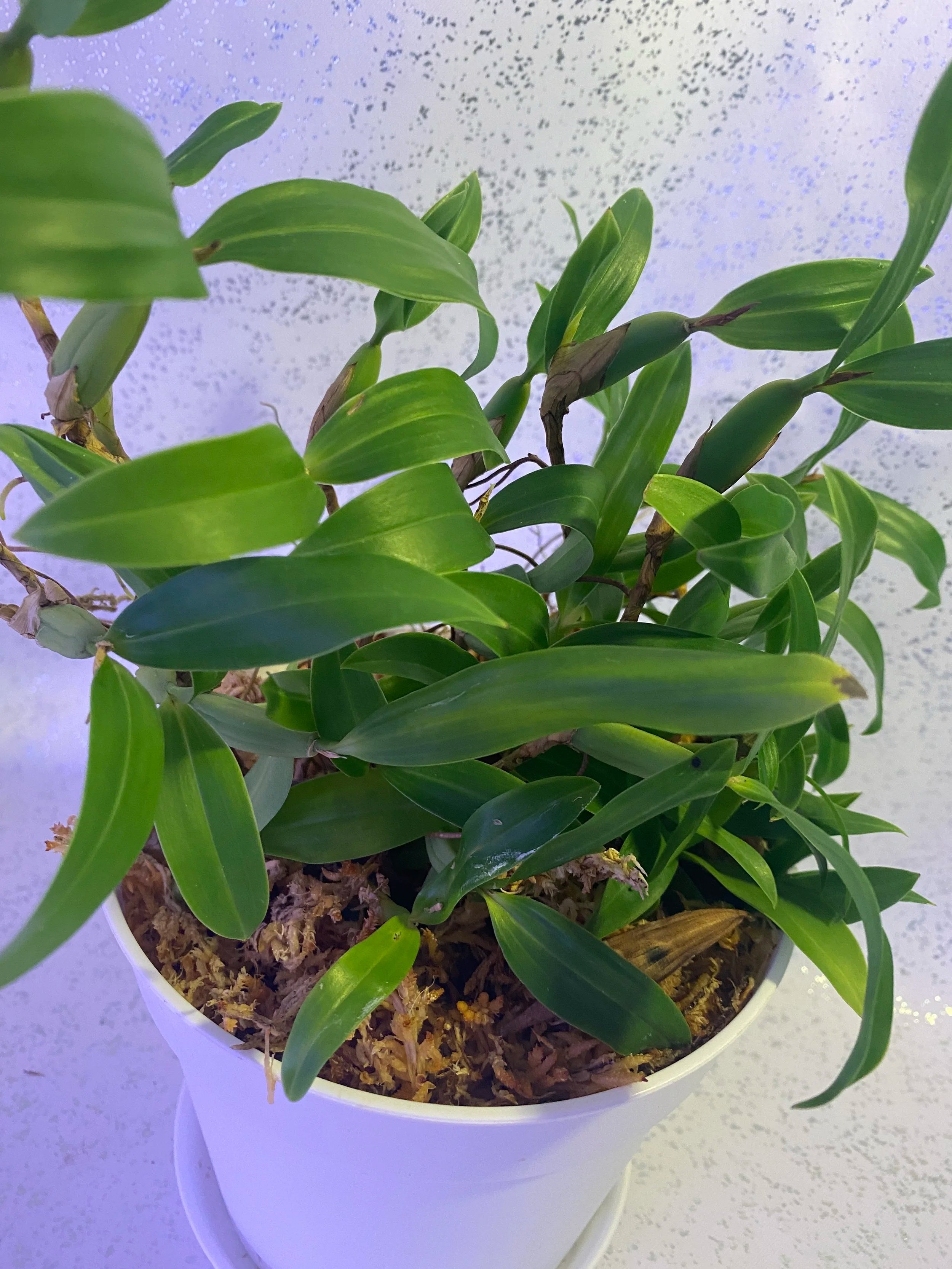
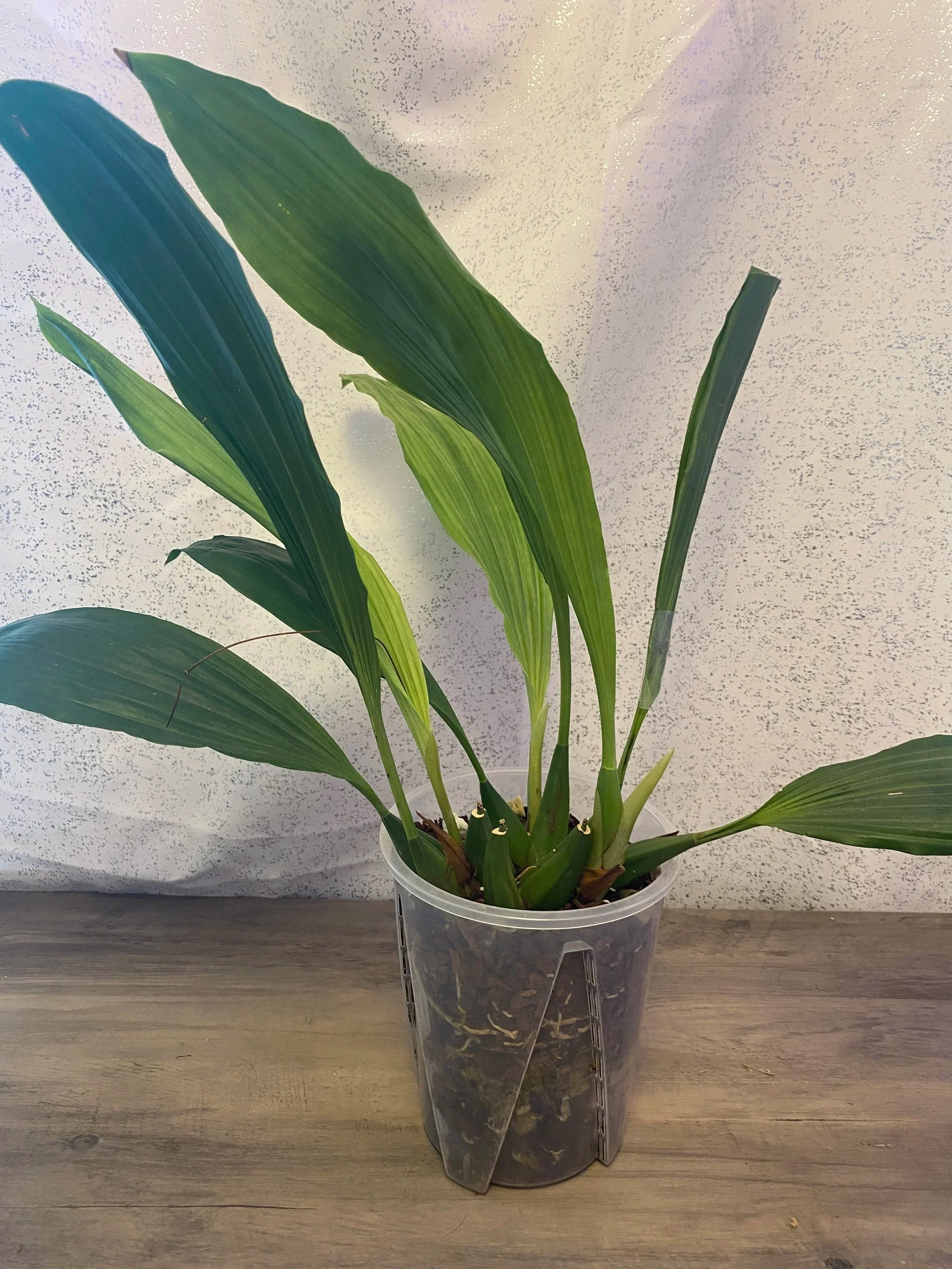
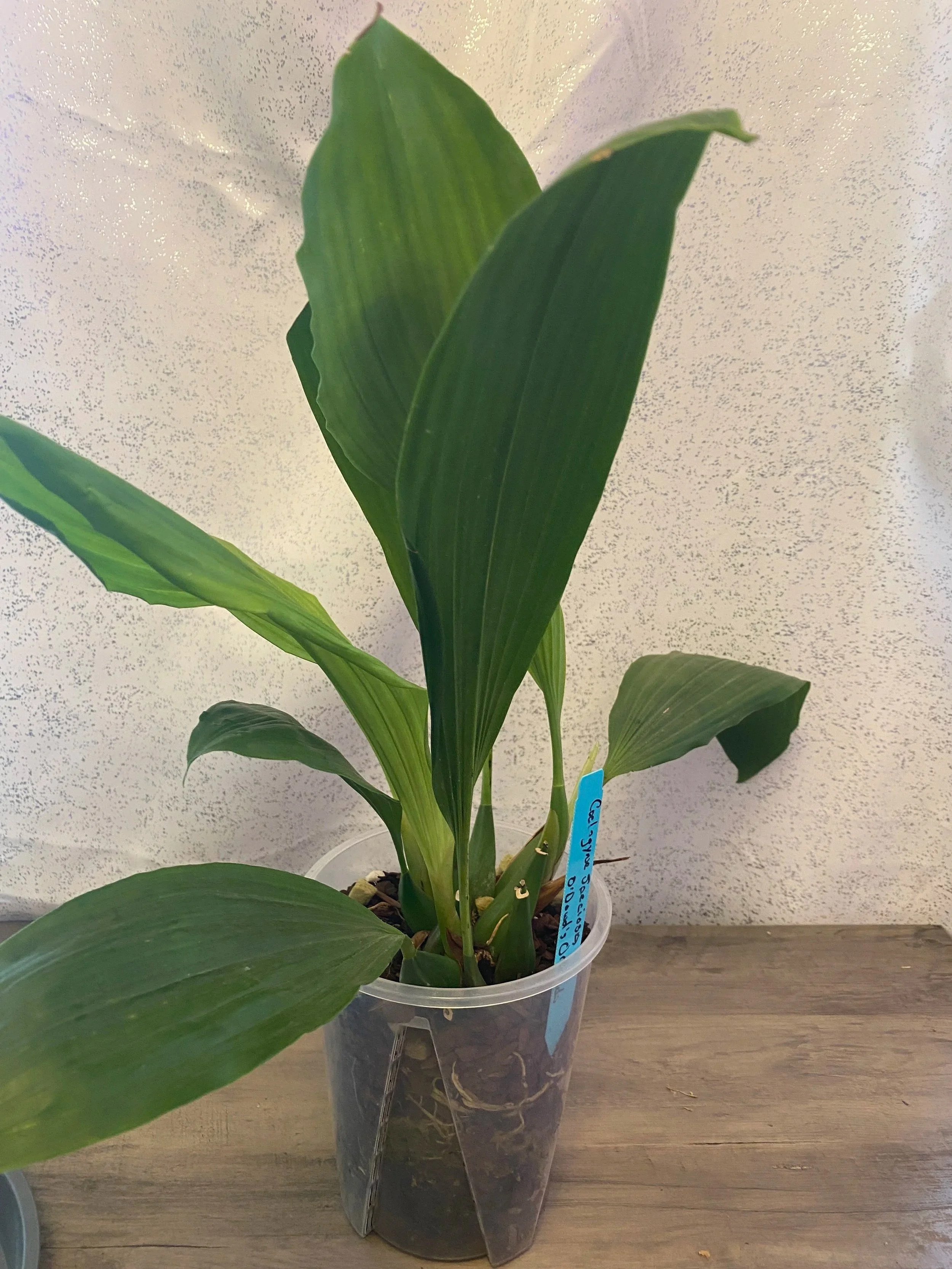
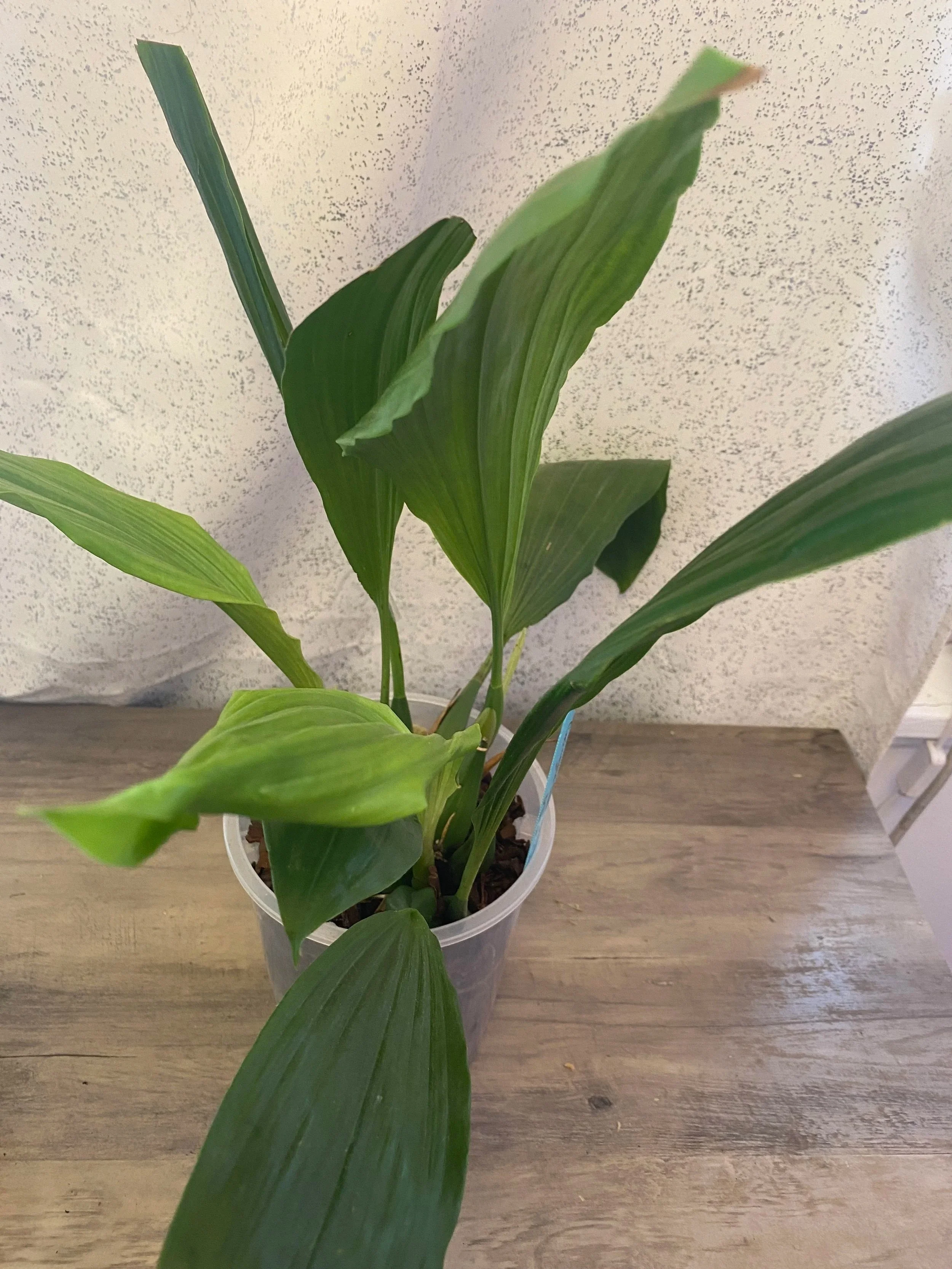
Coelogyne swaniana is a refined, clump-forming orchid prized for its elegant sprays of fragrant, waxy flowers and attractive textured foliage. With attentive care it rewards growers with reliable blooms and healthy growth.
Light
Bright, indirect light is best. Provide strong filtered light—similar to a bright east or west window—avoiding direct midday sun which can scorch the leaves.
Leaves should be a medium green; very dark green indicates too little light, yellowing or bleached patches indicate too much.
Temperature & Humidity
Intermediate to warm conditions: daytime 70–80°F (21–27°C), nighttime 55–65°F (13–18°C). A modest nighttime drop encourages strong growth.
Maintain humidity around 50–70%. Use humidity trays or a humidifier in dry homes and ensure good air movement to prevent stagnation and fungal issues.
Watering & Moisture
Keep the potting medium evenly moist during active growth; reduce slightly after flowering and during cooler months. Water thoroughly, allowing excess to drain.
Do not let the roots sit in water. Coelogynes prefer consistent moisture rather than cycles of complete drying.
Potting Medium & Repotting
Use a well-draining but moisture-retentive mix: fine-grade bark with some sphagnum or an orchid-specific mix that suits moisture-loving epiphytes.
Repot every 2–3 years or when the medium breaks down or the plant outgrows its pot. Repot in spring after flowering or when new roots are actively growing.
Fertilizer
Feed regularly during active growth with a balanced orchid fertilizer (e.g., 20-20-20) at quarter to half strength every 1–2 weeks. Flush the pot occasionally with plain water to prevent salt buildup.
Reduce feeding in winter or during rest periods.
Pests & Diseases
Monitor for common pests such as scale, mealybugs, spider mites, and aphids; treat promptly with horticultural oil, insecticidal soap, or appropriate systemic controls.
Ensure good ventilation and avoid overwatering to reduce the risk of root rot and fungal leaf spots.
Blooming & Aftercare
Flower spikes typically arise from mature pseudobulbs—allow spent canes to remain until they yellow and dry naturally unless diseased.
After flowering, maintain regular care to support the next blooming cycle. A slight drop in nighttime temperature and steady humidity can encourage spike formation.
Presentation & Placement
Display where its floral sprays can be admired—near a bright window out of direct sun or in a shaded greenhouse shelf. Rotate periodically for even growth.
Discover the rare elegance of O'Dowd’s Orchids Coelogyne swaniana — a sublime addition for collectors and connoisseurs who demand both refinement and rarity.
Why Coelogyne swaniana?
Exquisite blooms: Delicate, porcelain-like petals with subtle veining and a sculpted lip create an ethereal presence that draws the eye without overwhelming.
Distinctive fragrance: A light, honeyed scent that enhances indoor spaces with a graceful, natural perfume during bloom.
Long-lasting display: Each inflorescence produces multiple flowers that hold their form and color for weeks, rewarding patience with enduring beauty.
Compact elegance: Ideal for display in apartments, conservatories, or custom orchid cabinets — this species offers high-impact visual appeal in modest space.
Perfect for
Serious collectors seeking a standout Coelogyne
Designers and stylists wanting a refined, long-lasting floral focal point
Gift givers aiming for a truly memorable, cultivated present
Caring for your Coelogyne swaniana
Coelogyne swaniana is a refined, clump-forming orchid prized for its elegant sprays of fragrant, waxy flowers and attractive textured foliage. With attentive care it rewards growers with reliable blooms and healthy growth.
Light
Bright, indirect light is best. Provide strong filtered light—similar to a bright east or west window—avoiding direct midday sun which can scorch the leaves.
Leaves should be a medium green; very dark green indicates too little light, yellowing or bleached patches indicate too much.
Temperature & Humidity
Intermediate to warm conditions: daytime 70–80°F (21–27°C), nighttime 55–65°F (13–18°C). A modest nighttime drop encourages strong growth.
Maintain humidity around 50–70%. Use humidity trays or a humidifier in dry homes and ensure good air movement to prevent stagnation and fungal issues.
Watering & Moisture
Keep the potting medium evenly moist during active growth; reduce slightly after flowering and during cooler months. Water thoroughly, allowing excess to drain.
Do not let the roots sit in water. Coelogynes prefer consistent moisture rather than cycles of complete drying.
Potting Medium & Repotting
Use a well-draining but moisture-retentive mix: fine-grade bark with some sphagnum or an orchid-specific mix that suits moisture-loving epiphytes.
Repot every 2–3 years or when the medium breaks down or the plant outgrows its pot. Repot in spring after flowering or when new roots are actively growing.
Fertilizer
Feed regularly during active growth with a balanced orchid fertilizer (e.g., 20-20-20) at quarter to half strength every 1–2 weeks. Flush the pot occasionally with plain water to prevent salt buildup.
Reduce feeding in winter or during rest periods.
Pests & Diseases
Monitor for common pests such as scale, mealybugs, spider mites, and aphids; treat promptly with horticultural oil, insecticidal soap, or appropriate systemic controls.
Ensure good ventilation and avoid overwatering to reduce the risk of root rot and fungal leaf spots.
Blooming & Aftercare
Flower spikes typically arise from mature pseudobulbs—allow spent canes to remain until they yellow and dry naturally unless diseased.
After flowering, maintain regular care to support the next blooming cycle. A slight drop in nighttime temperature and steady humidity can encourage spike formation.
Presentation & Placement
Display where its floral sprays can be admired—near a bright window out of direct sun or in a shaded greenhouse shelf. Rotate periodically for even growth.