 Image 1 of 4
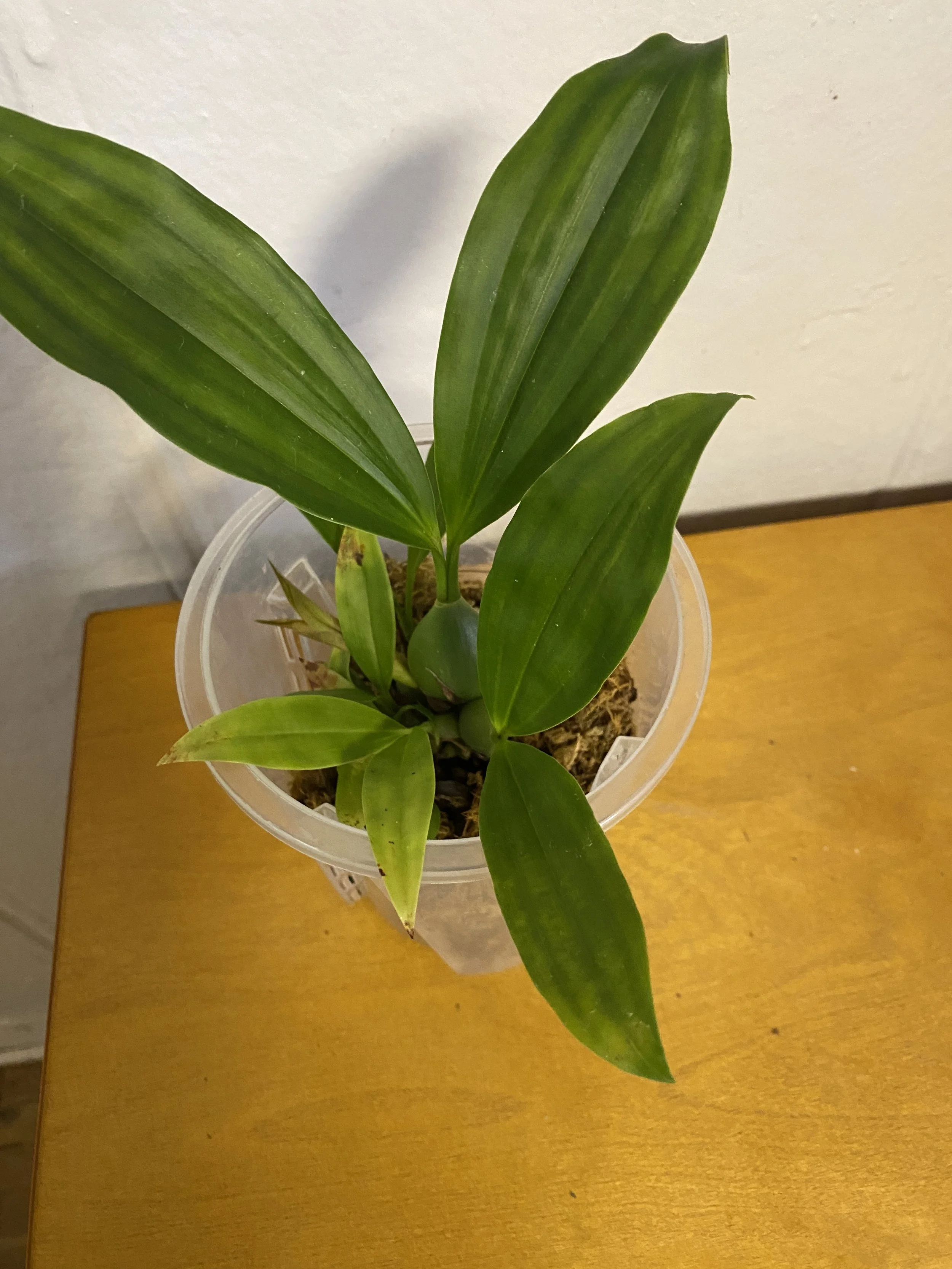 Image 2 of 4
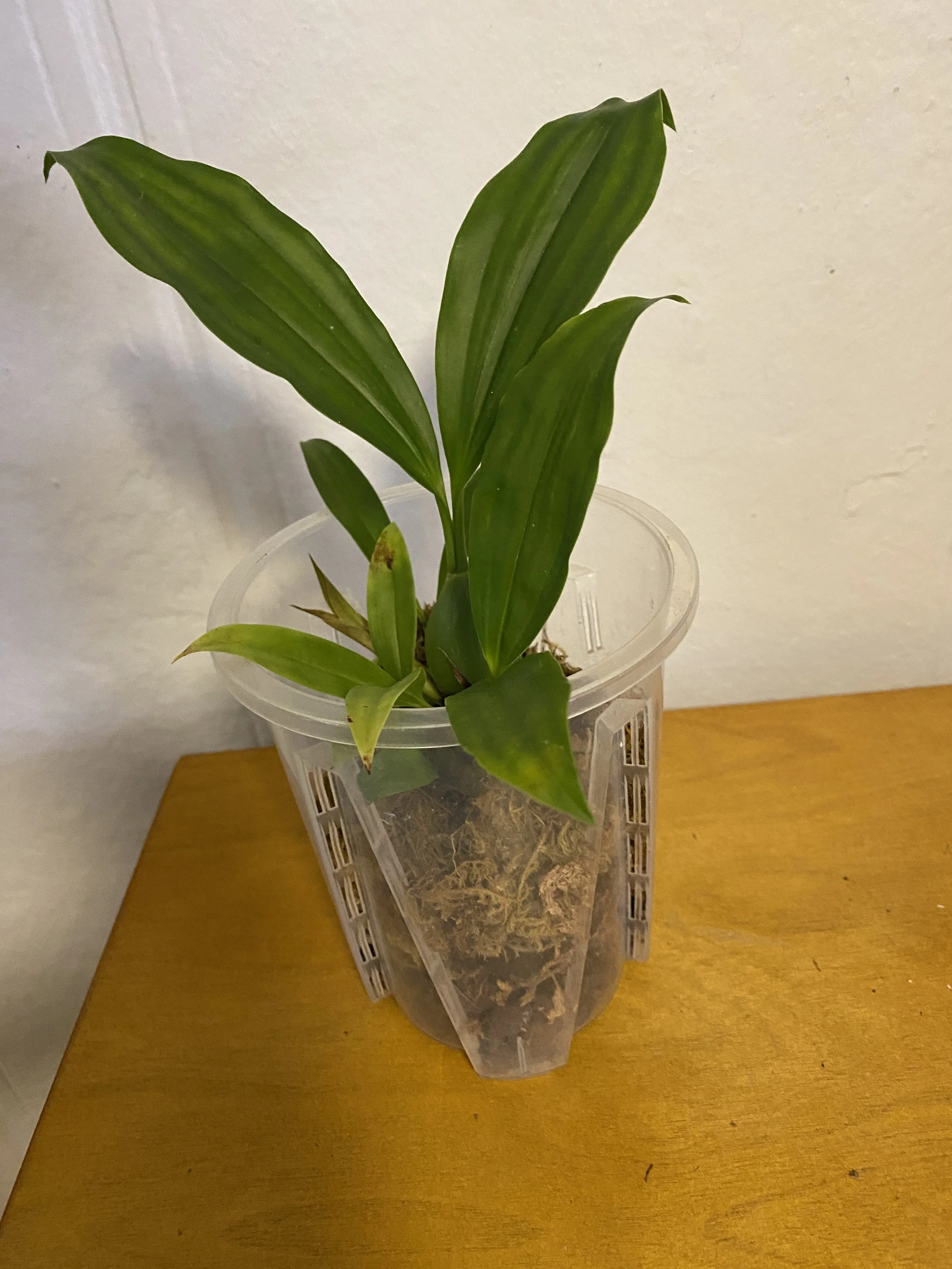 Image 3 of 4
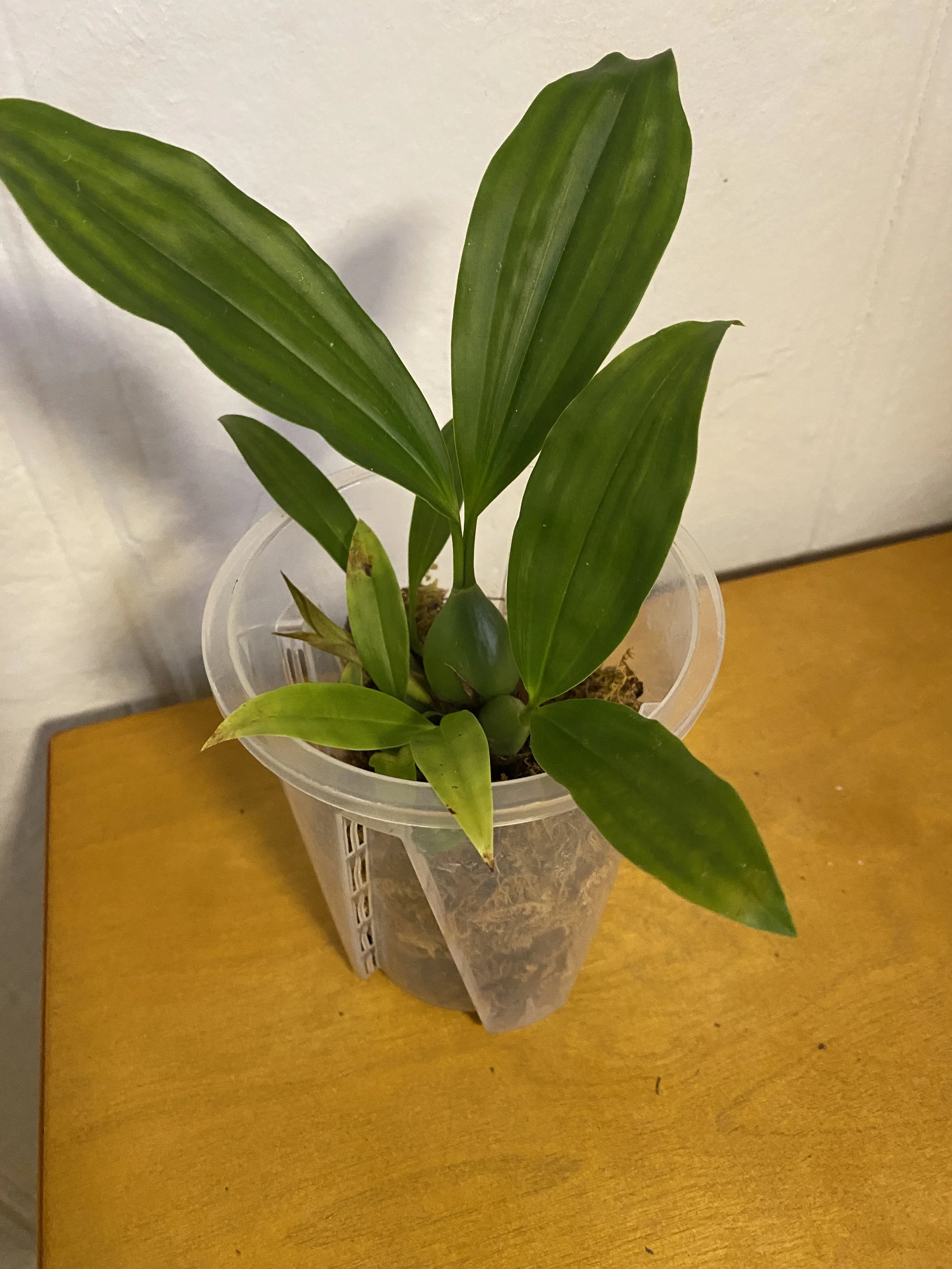 Image 4 of 4
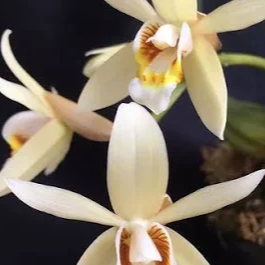
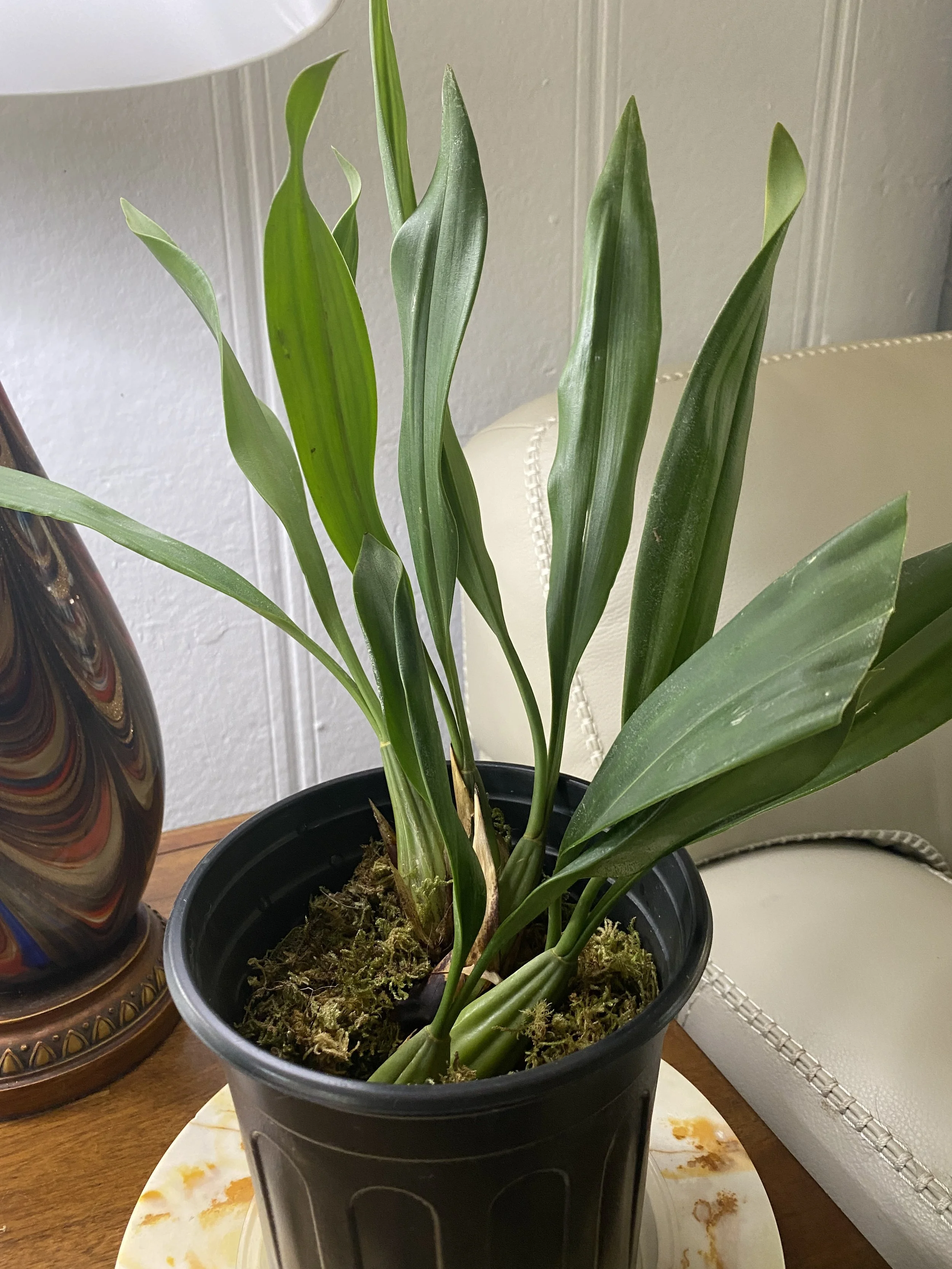
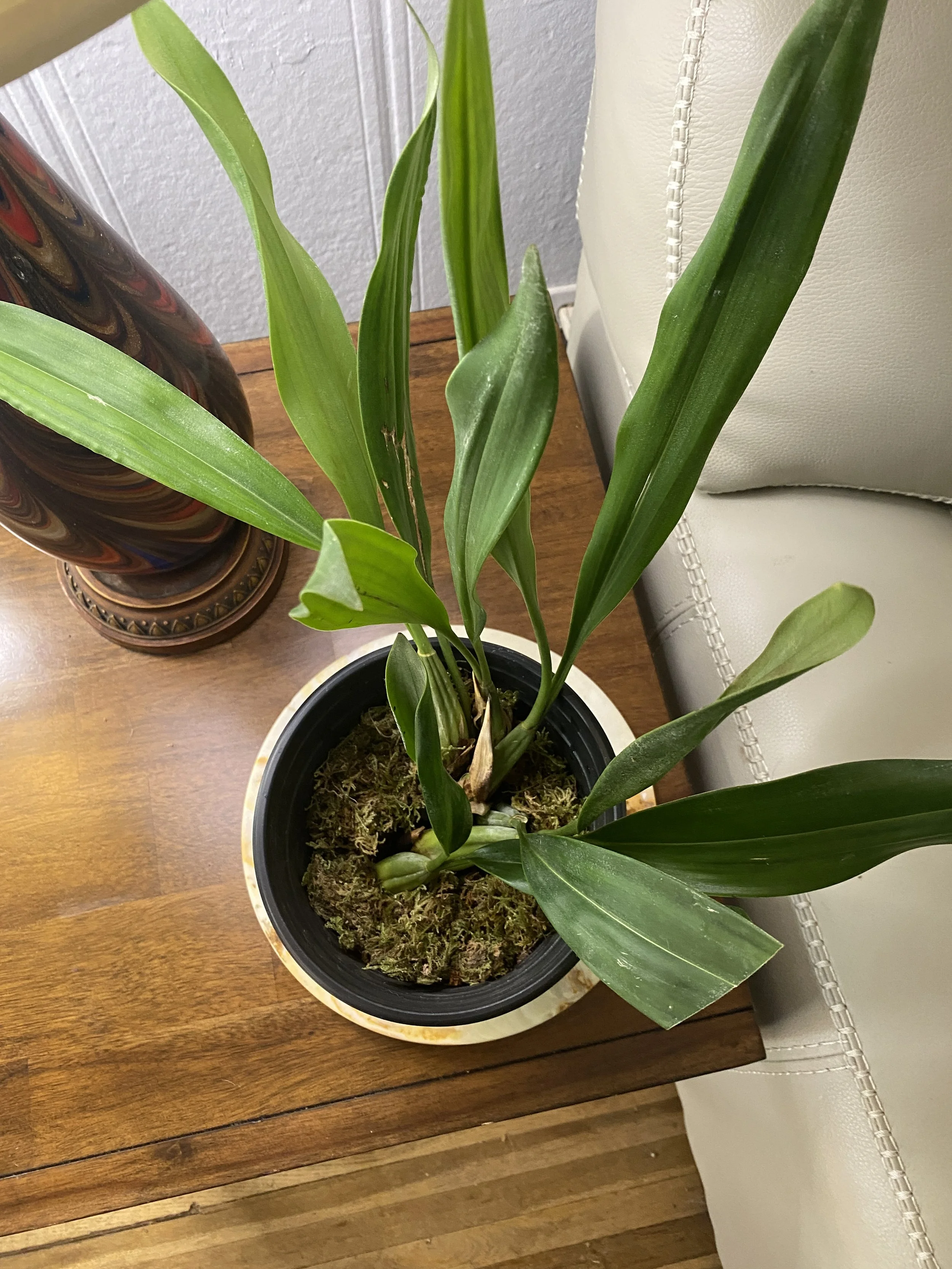
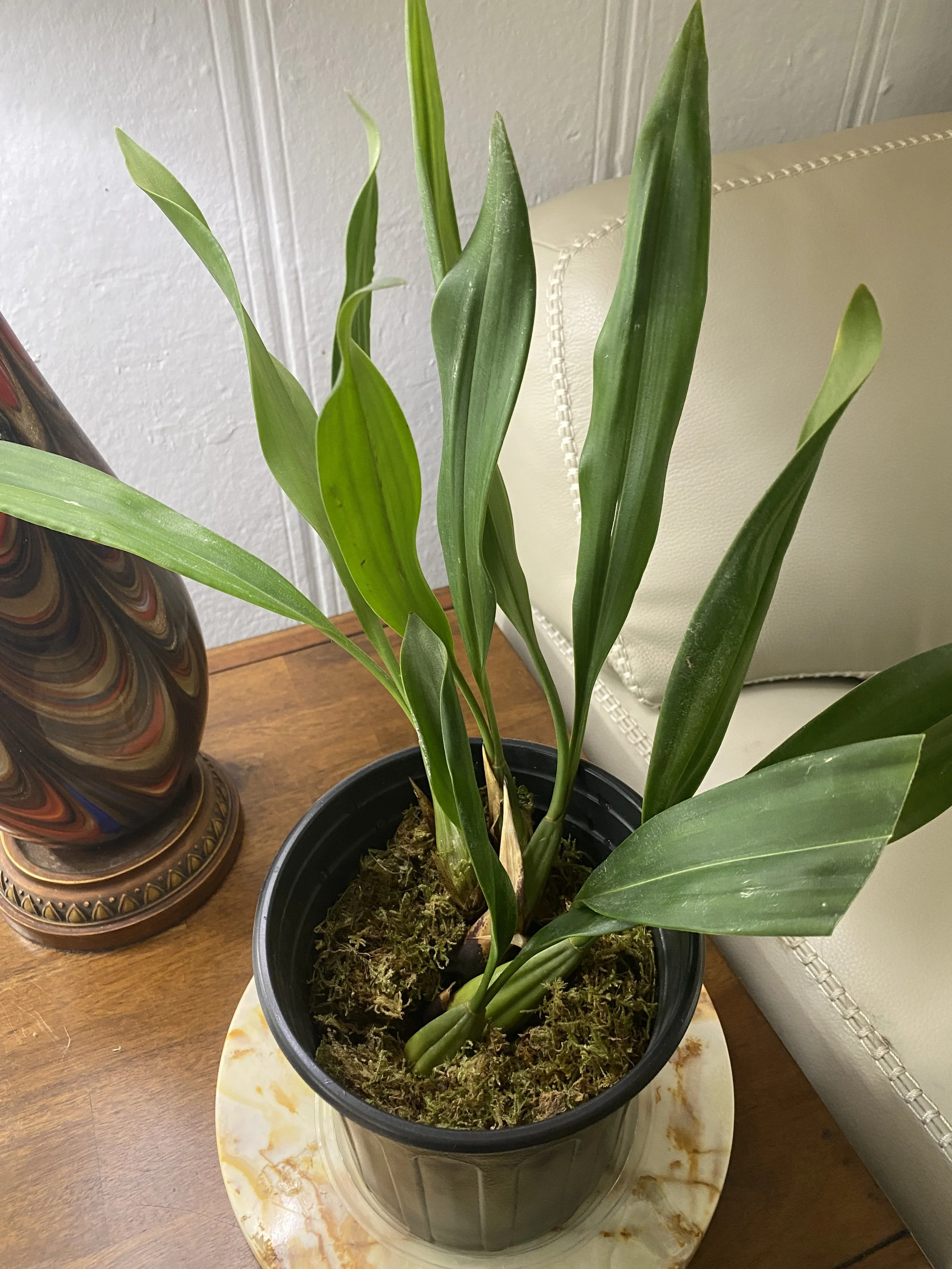
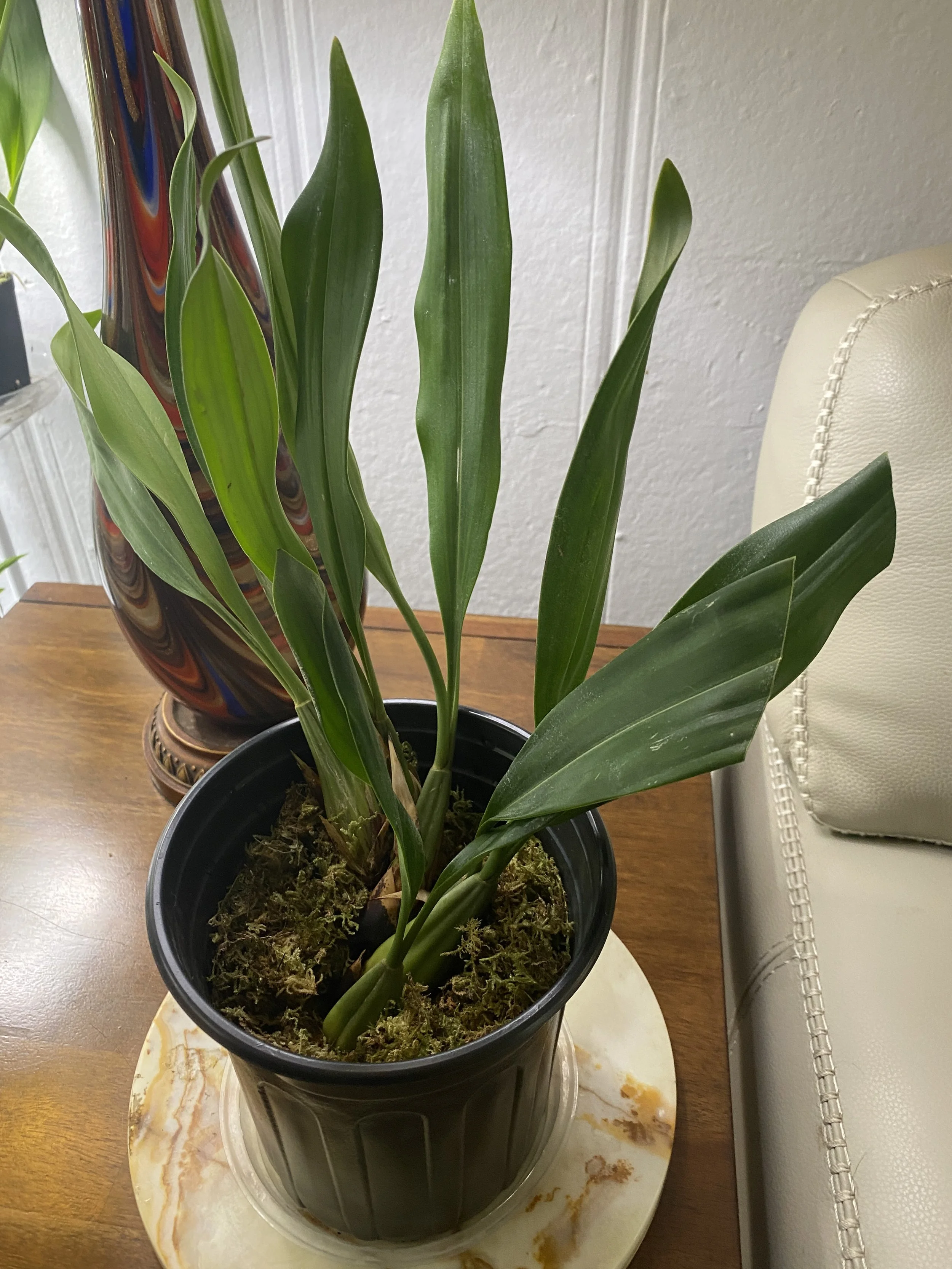
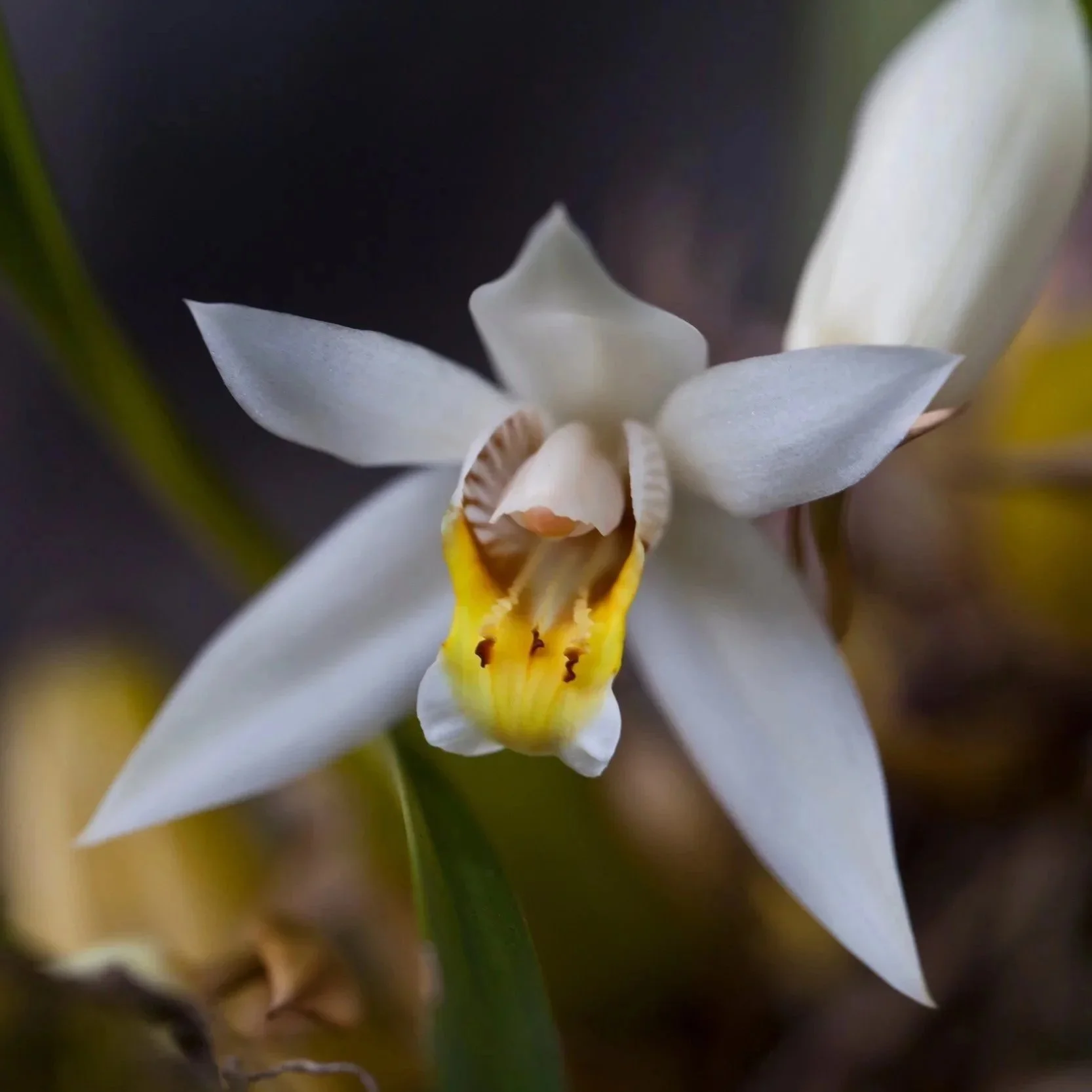
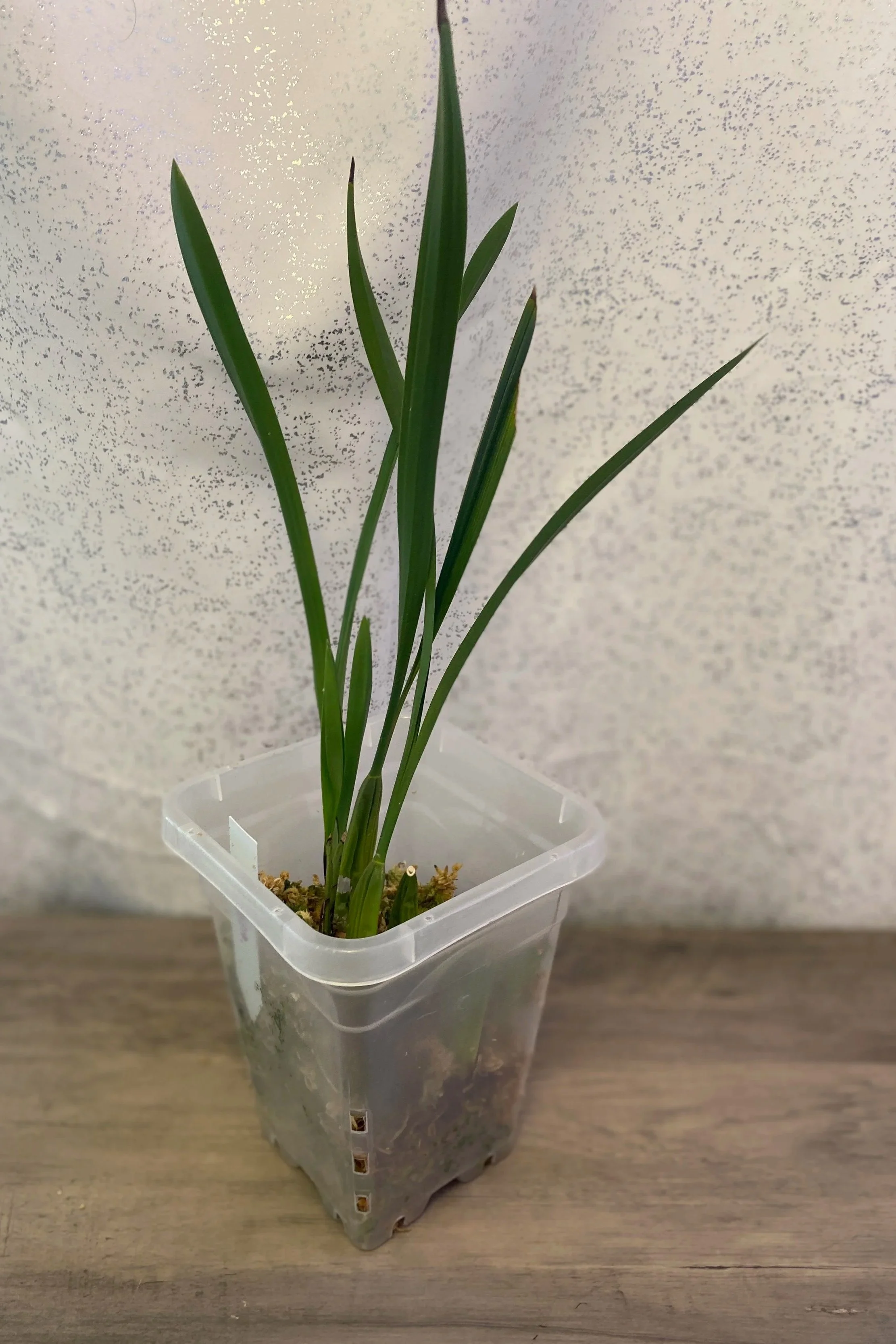
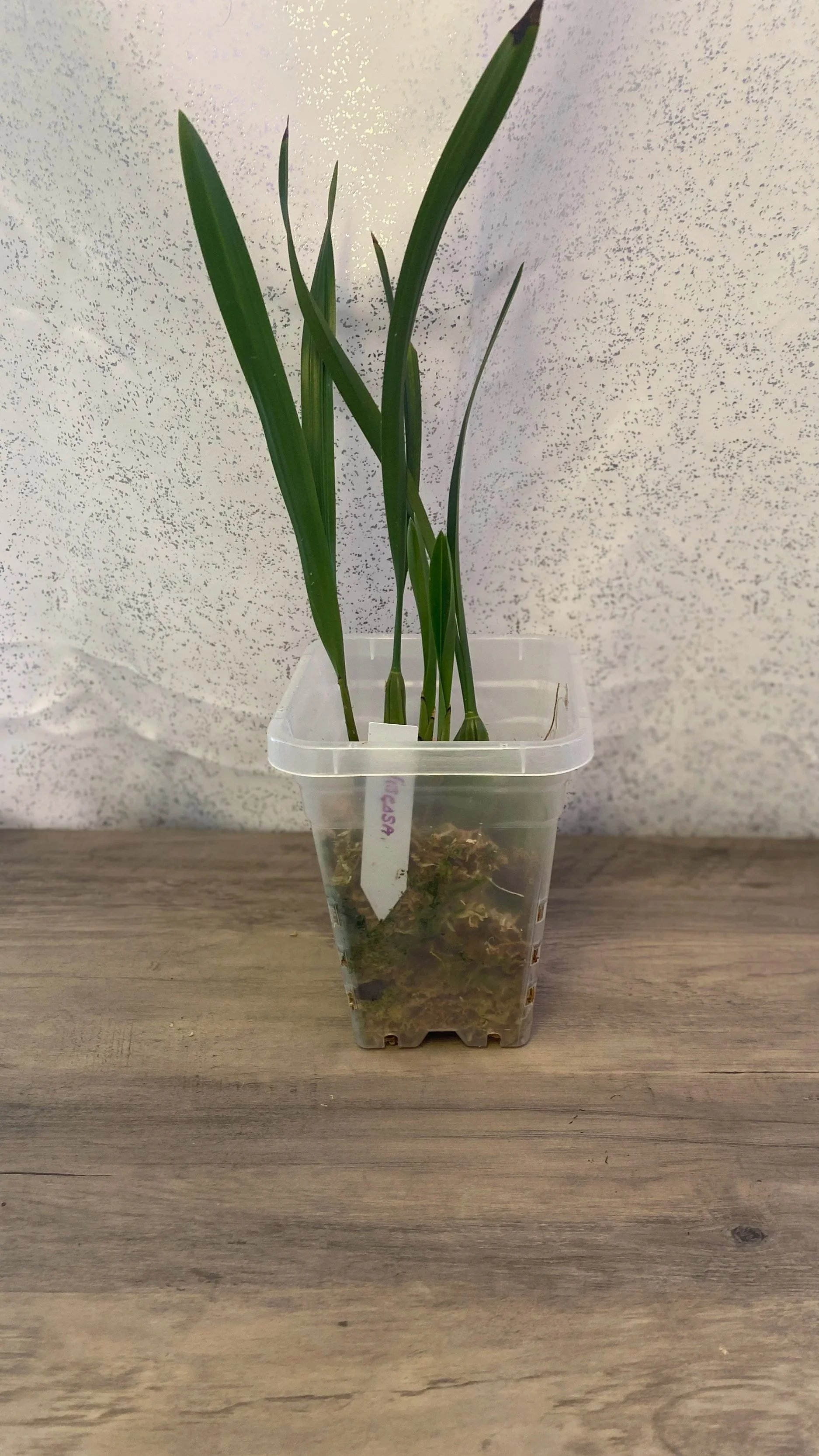
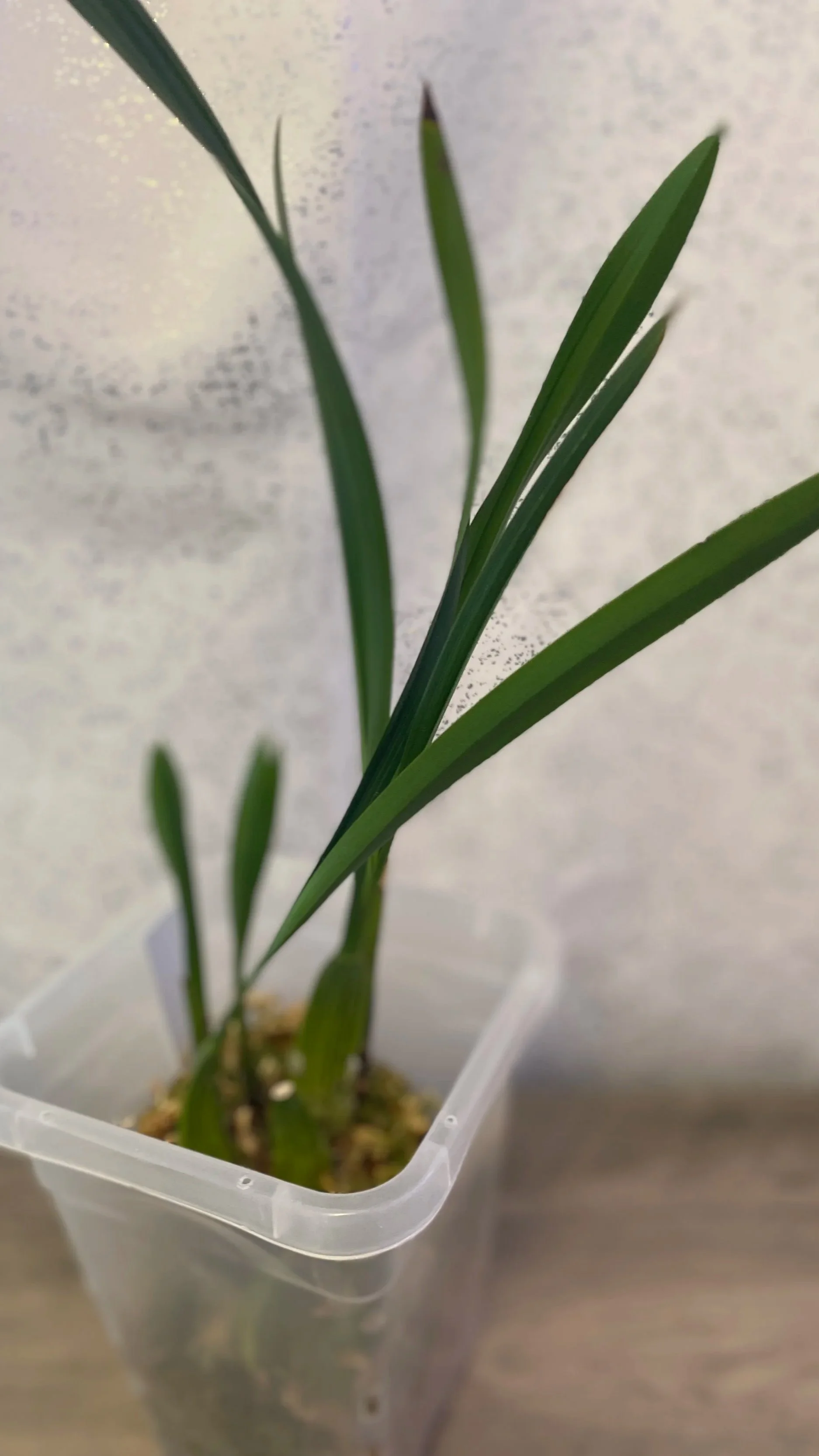
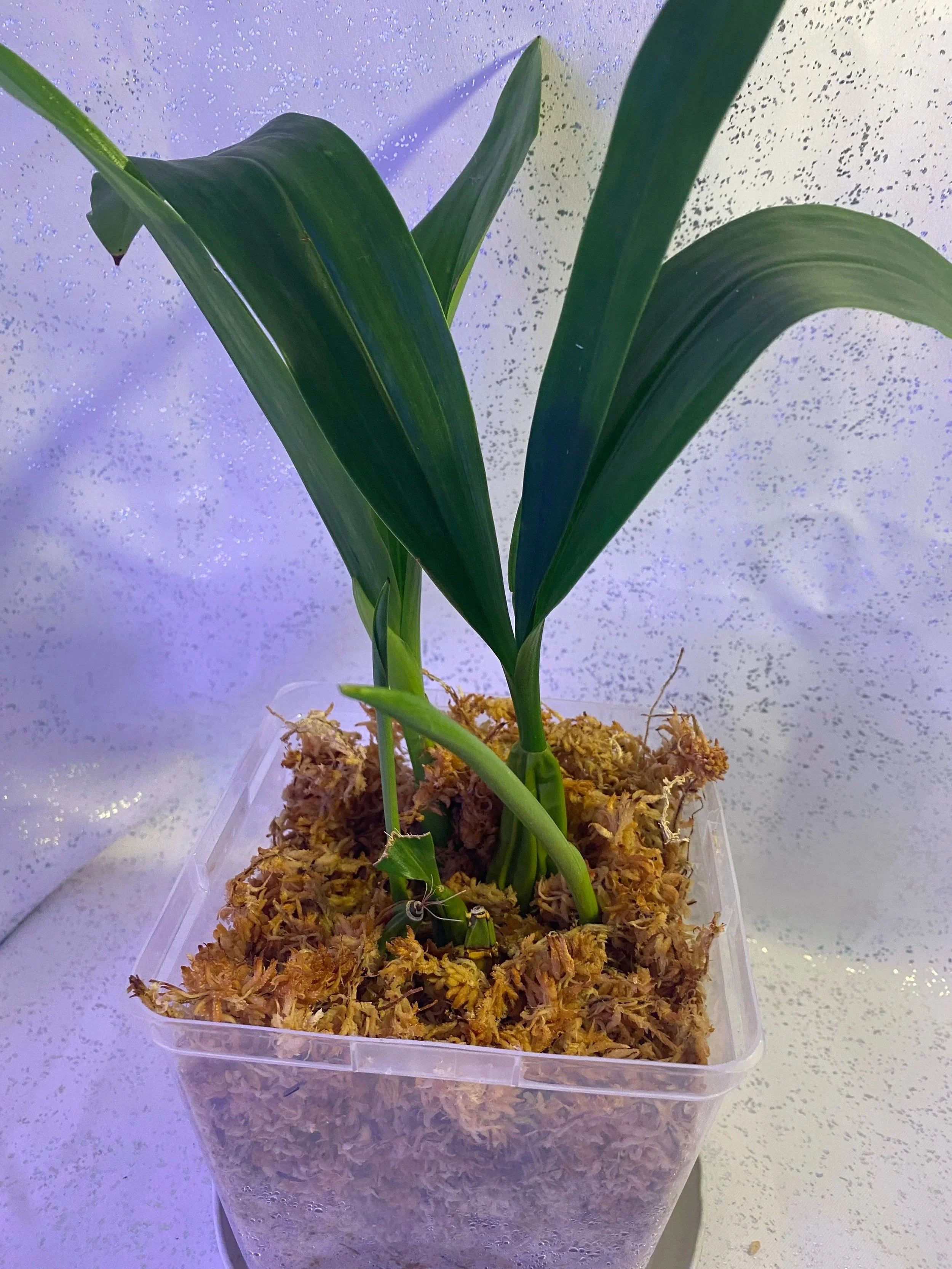
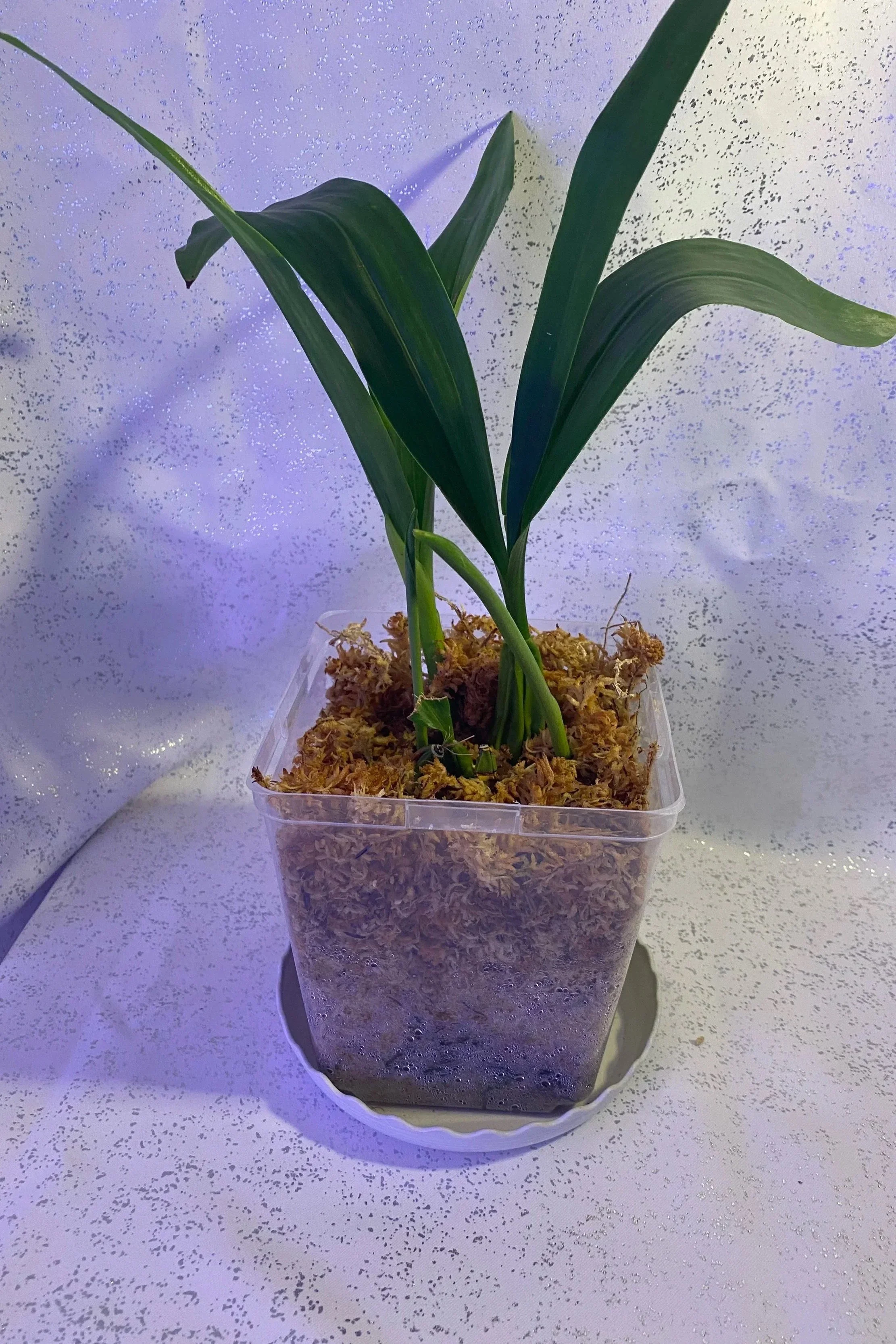
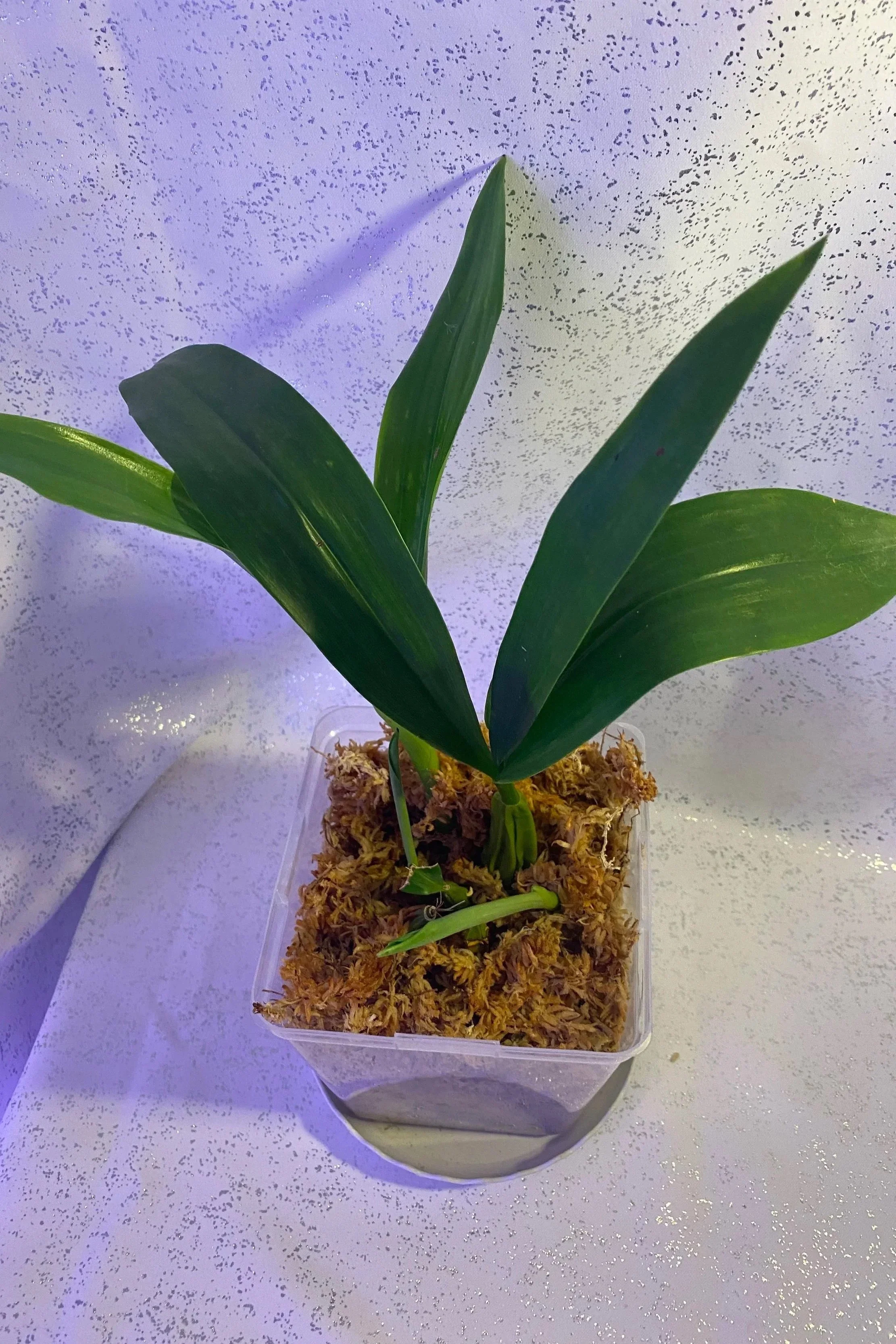
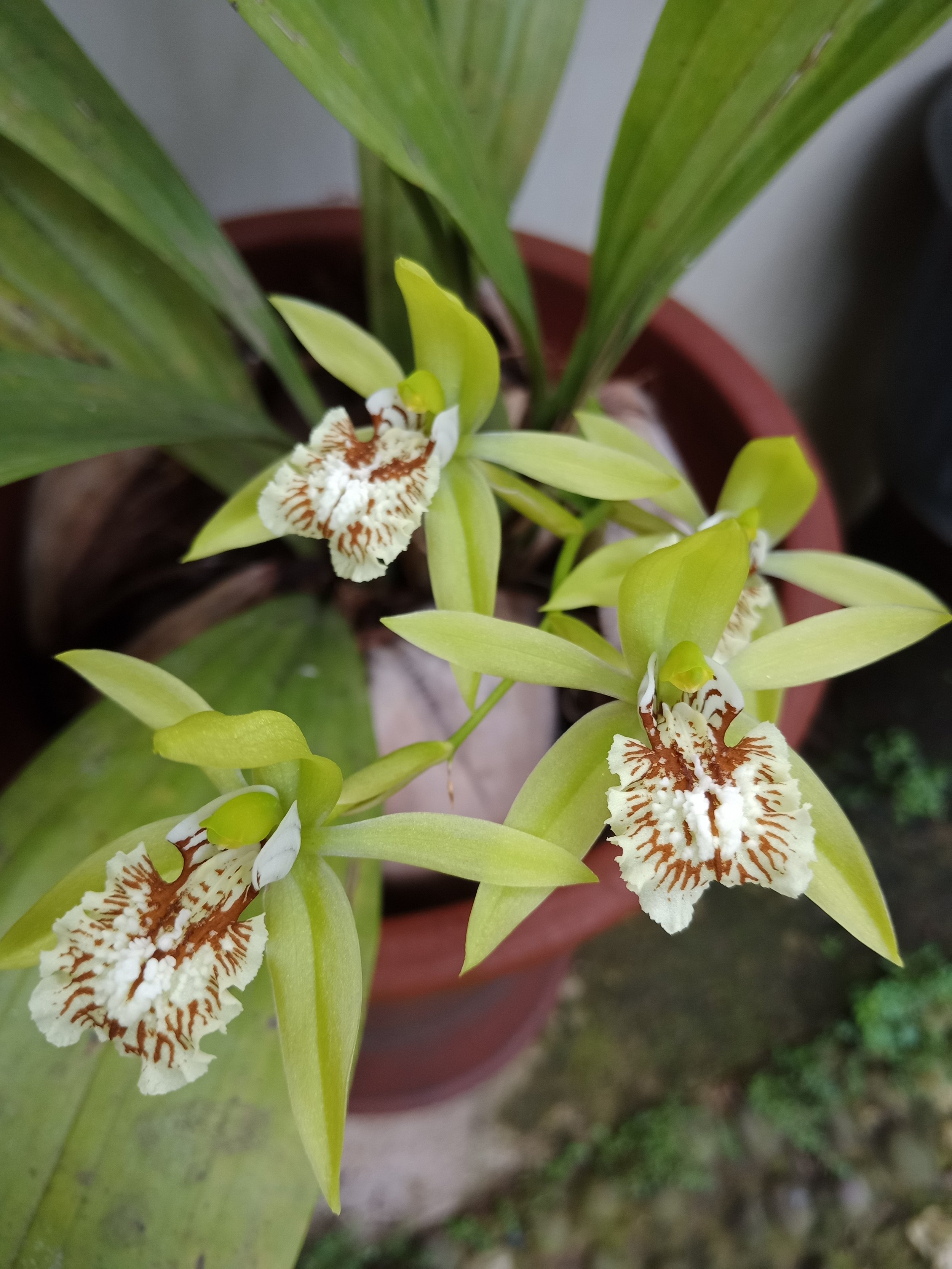
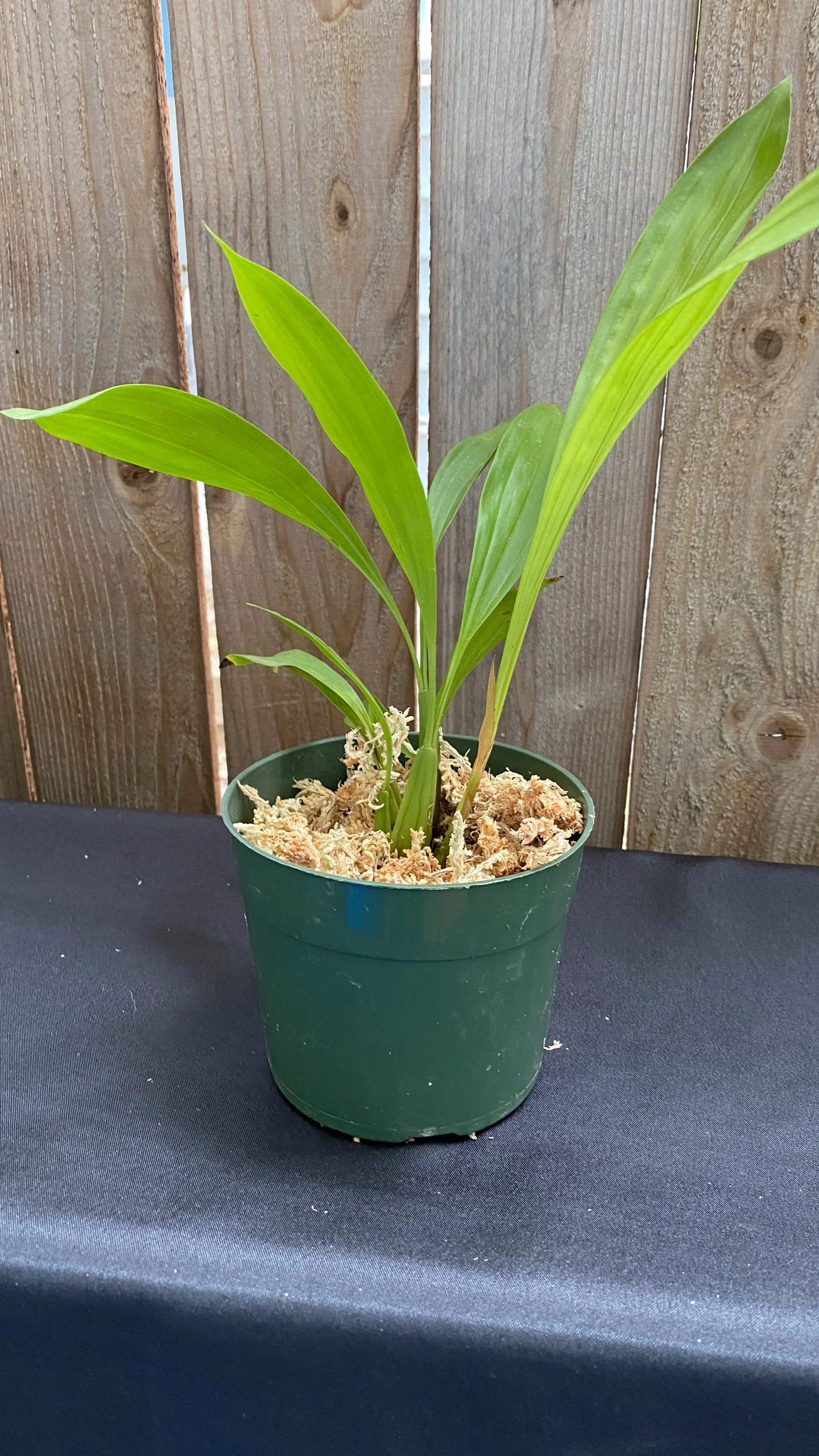
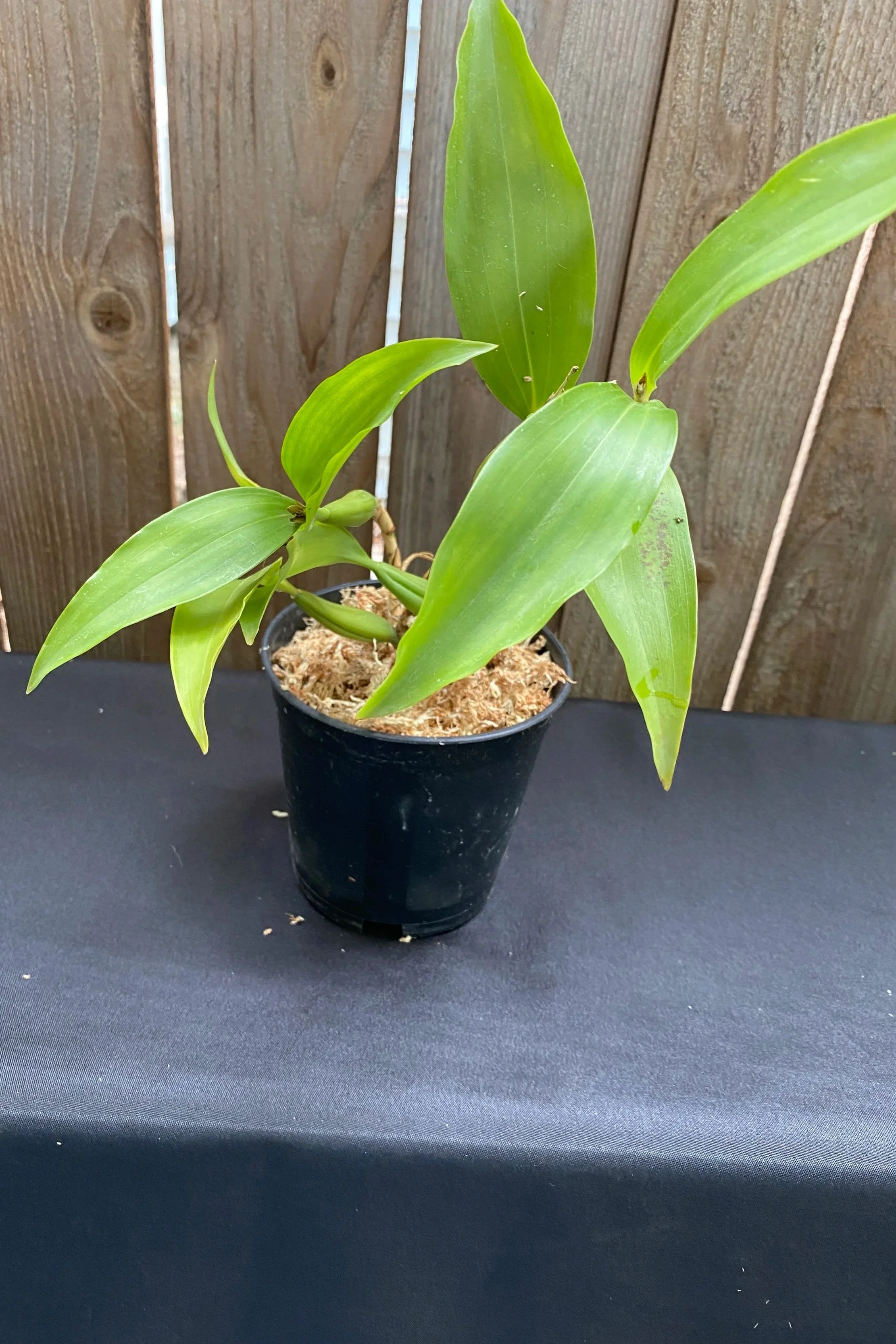
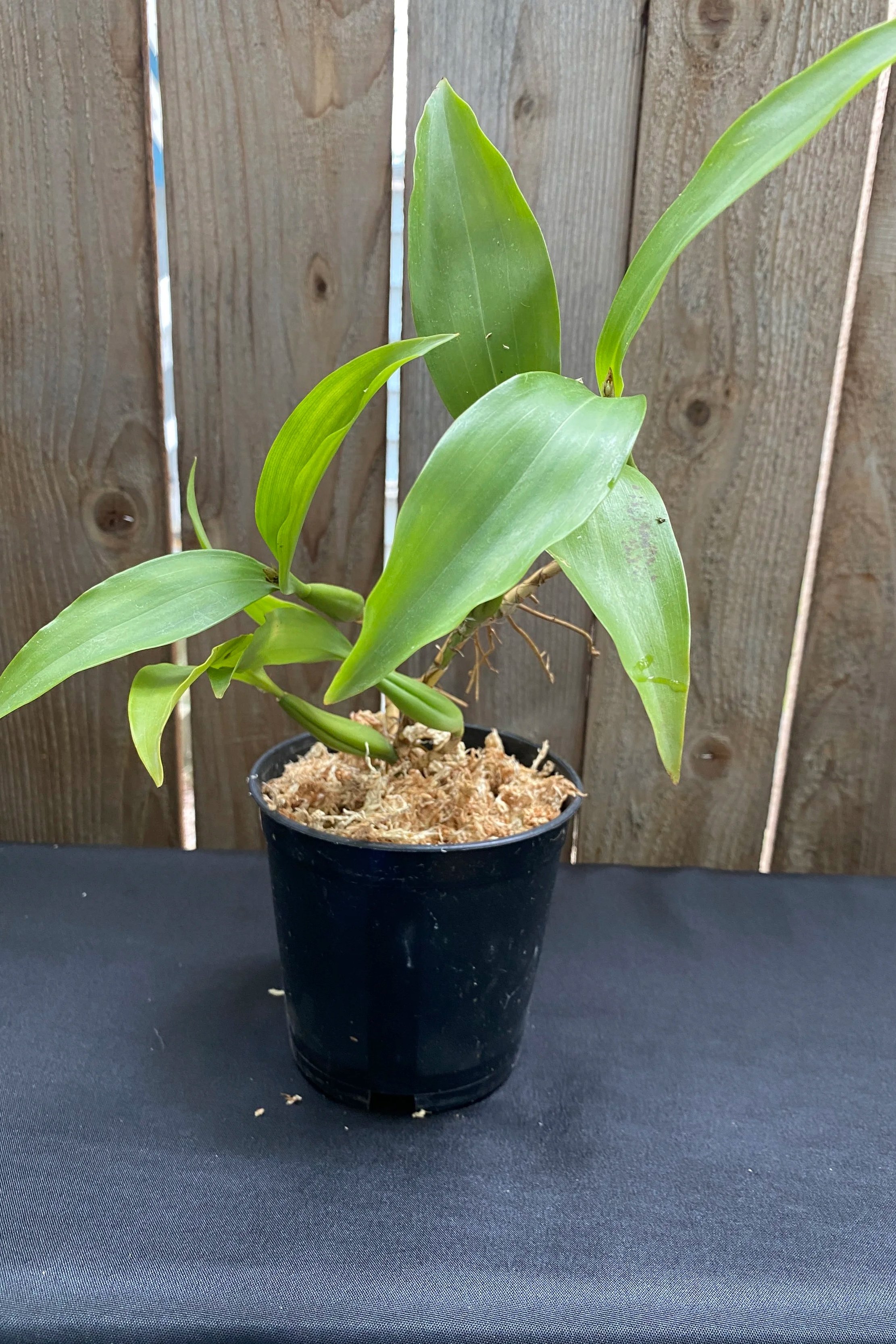
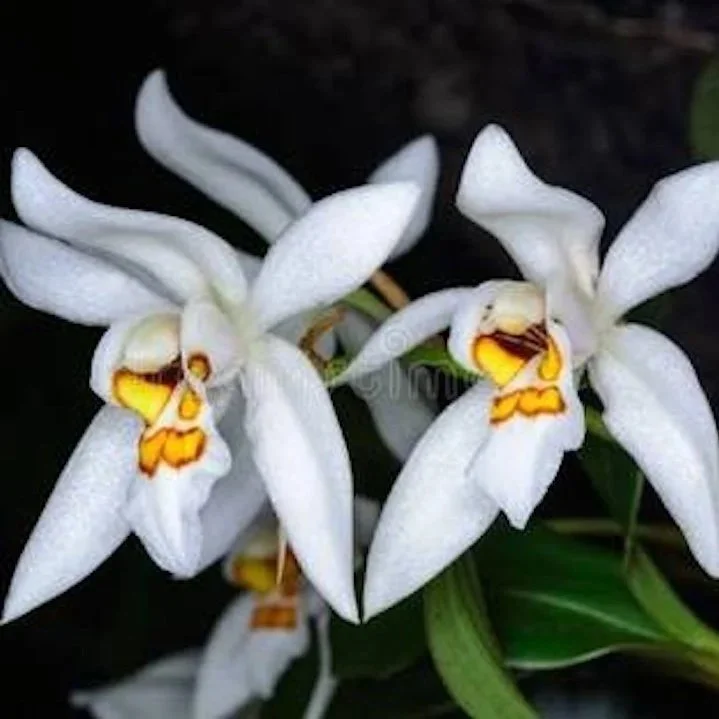
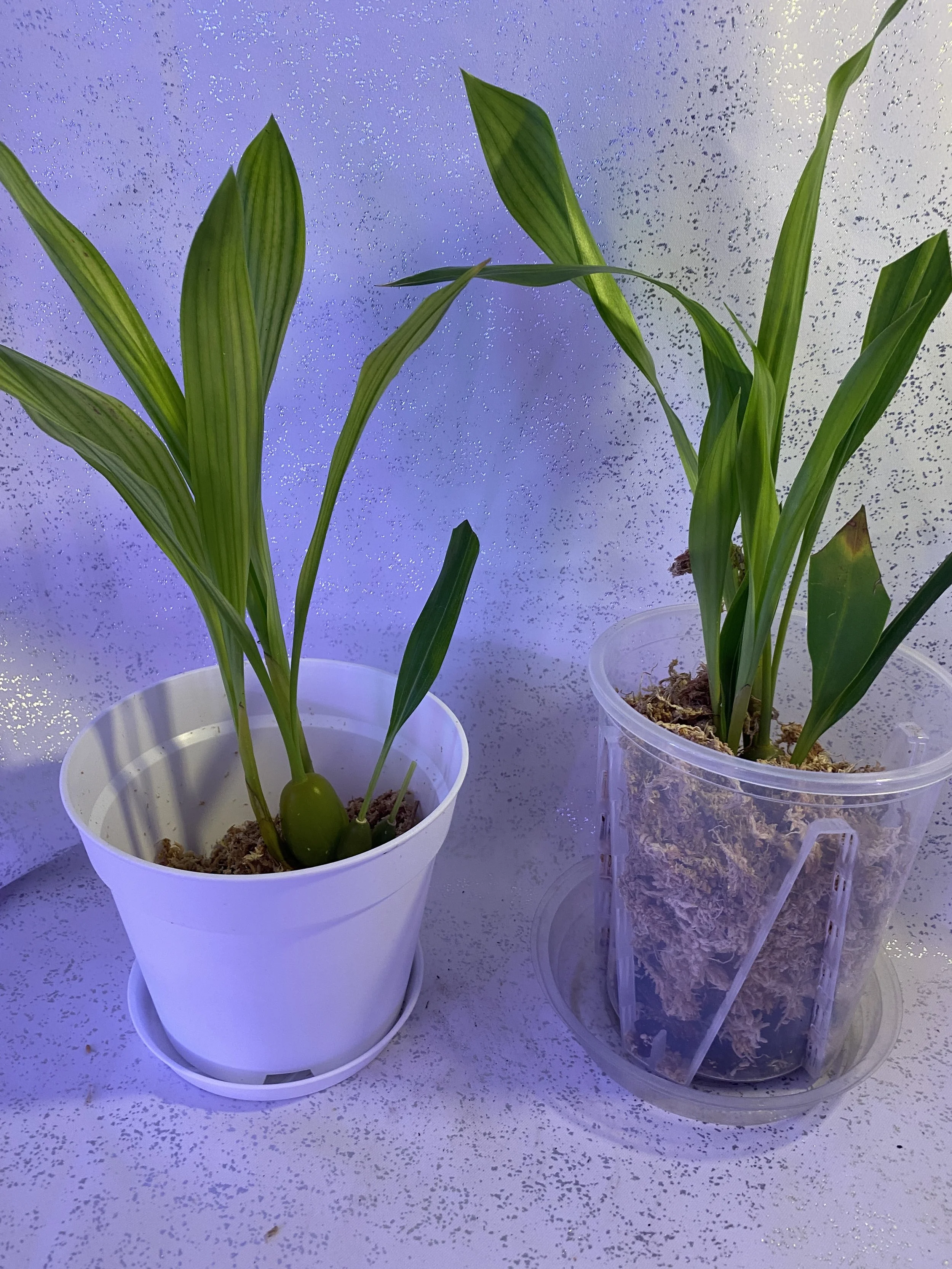
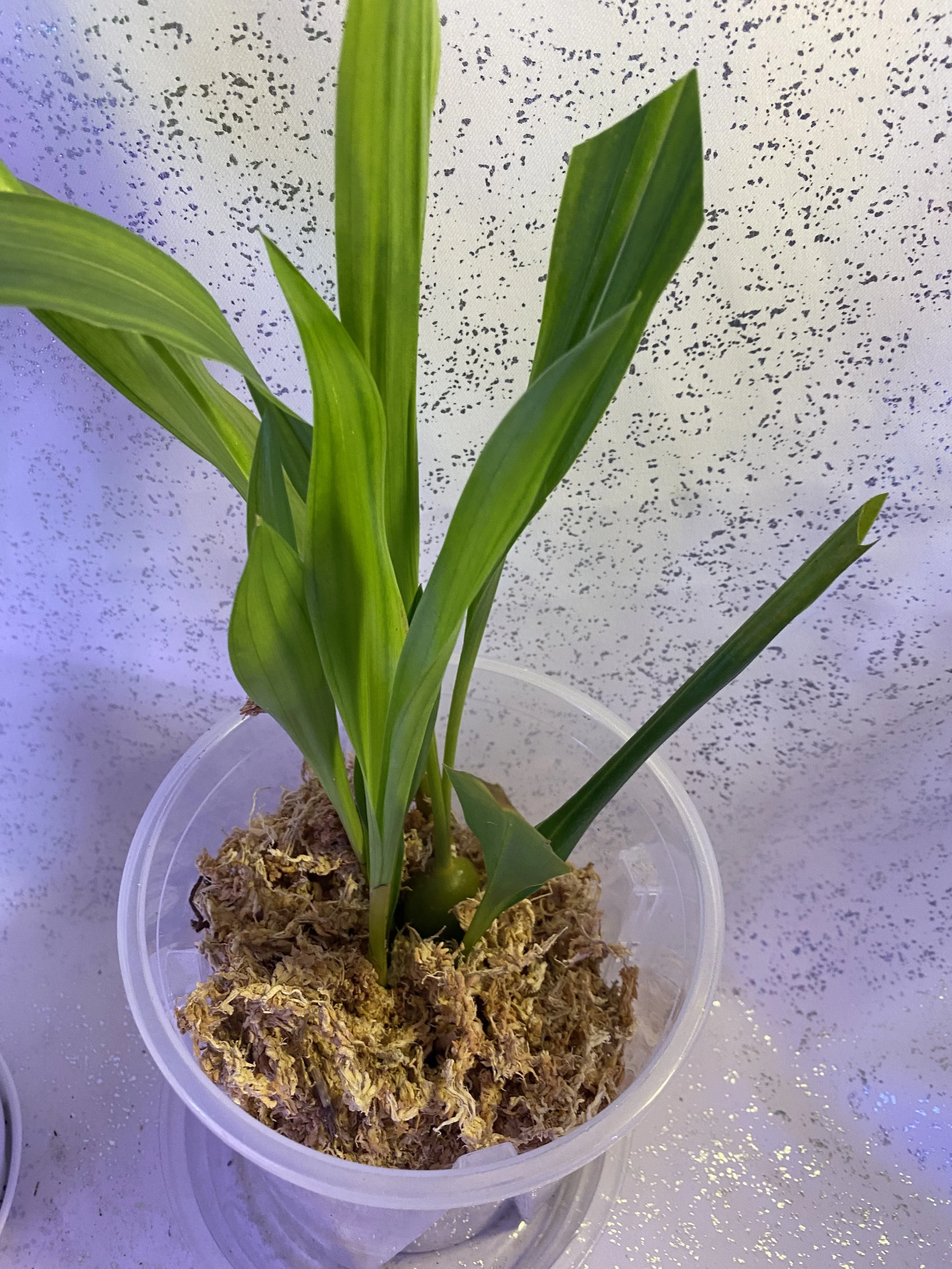
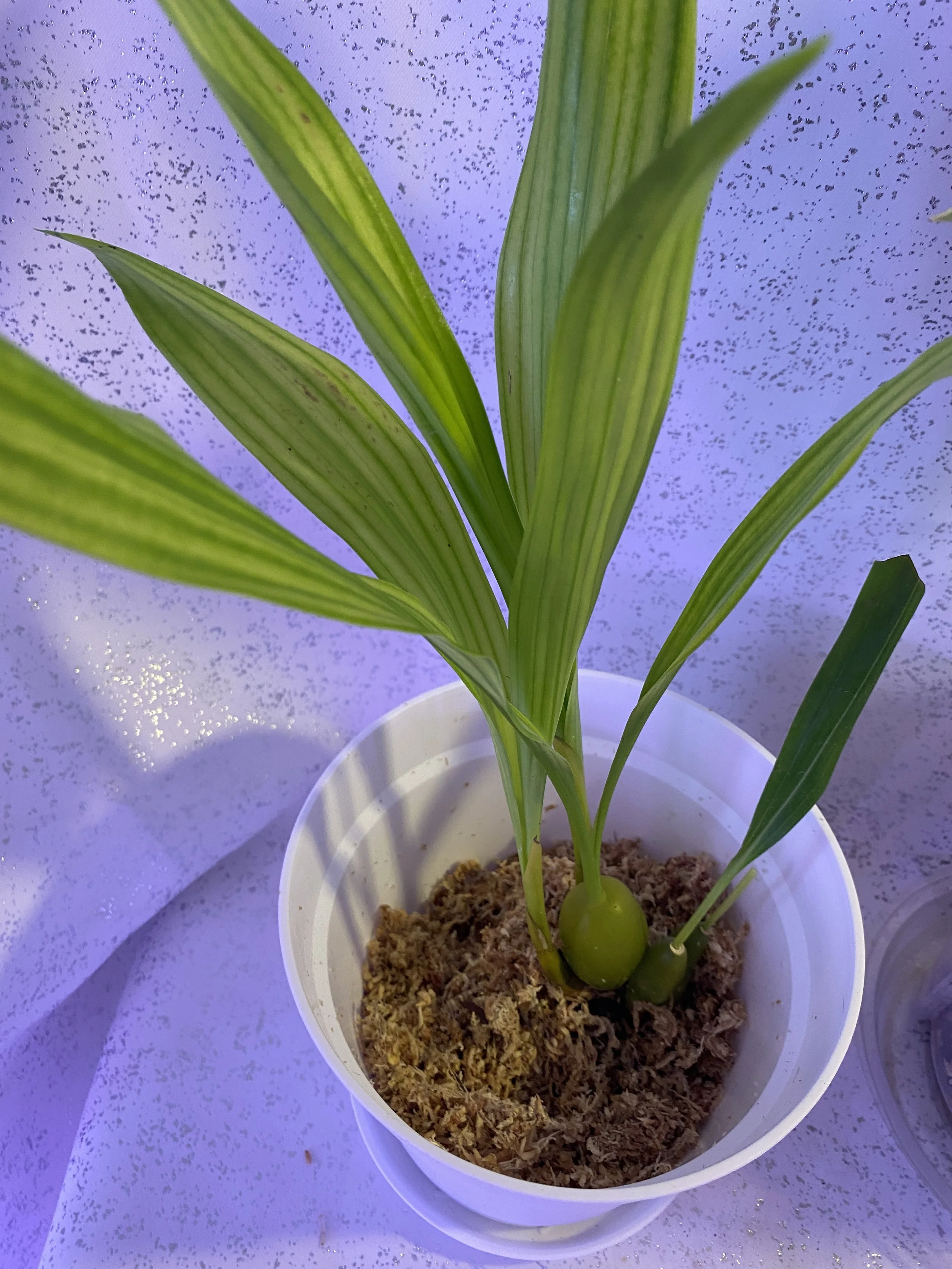
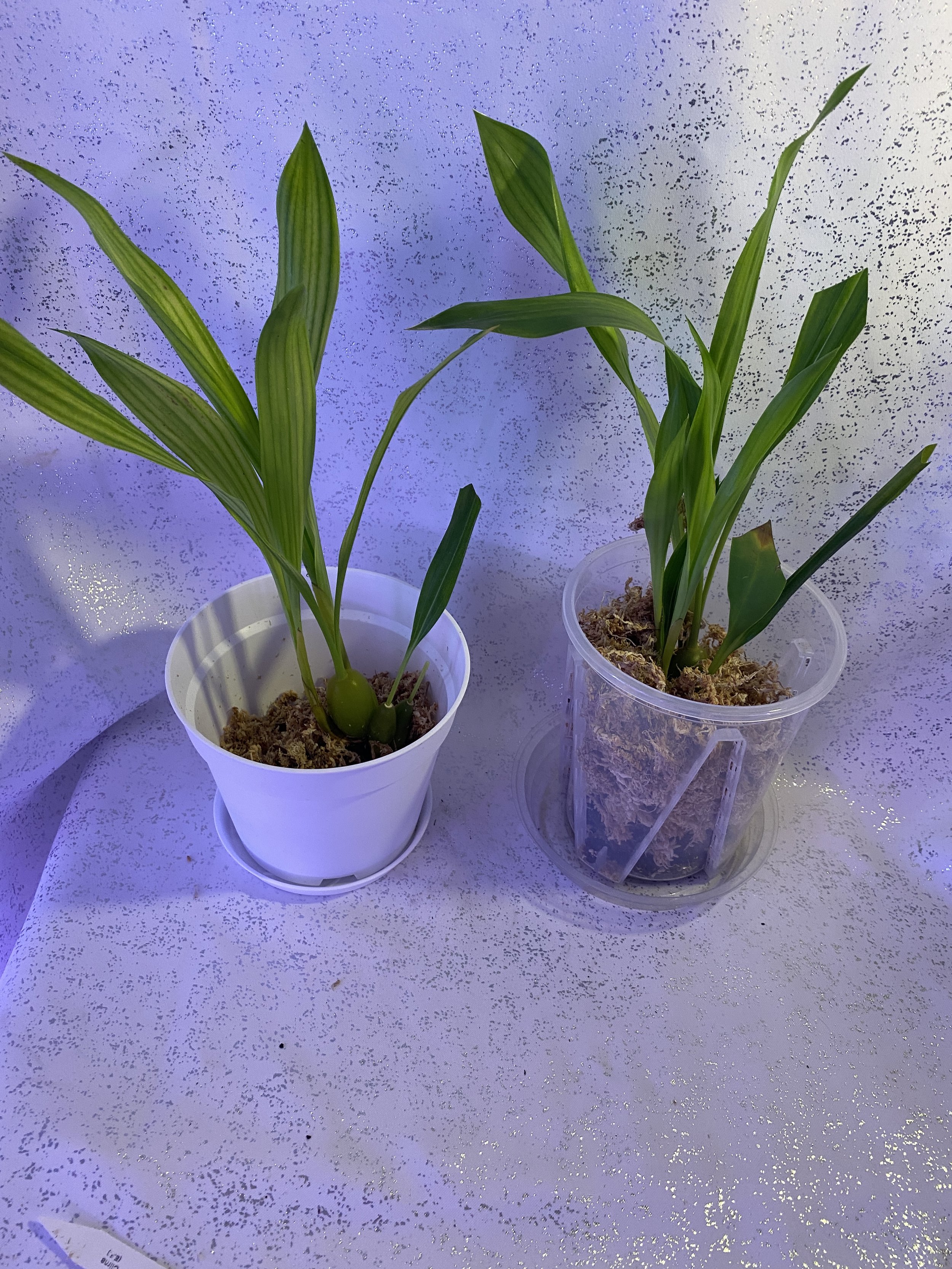
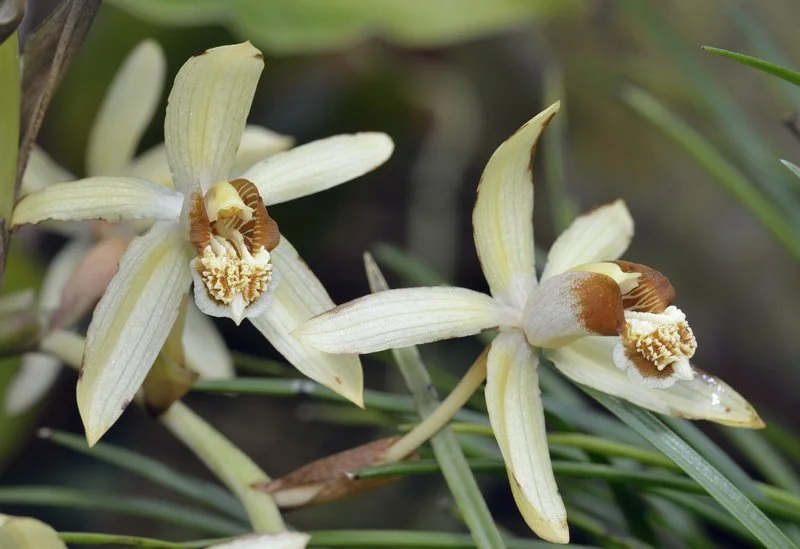
O'Dowd’s Orchids presents Coelogyne tomentosa — a refined jewel for the connoisseur’s collection. Renowned for its plush, velvety petals, delicate fragrance, and elegant spray-form inflorescences, C. tomentosa brings timeless sophistication to any interior or greenhouse. Each specimen at O'Dowd’s is shipped nationwide ready to thrive in your collection. Four inch pot, standing 20 inches tall.
Why choose O’Dowd’s Coelogyne tomentosa?
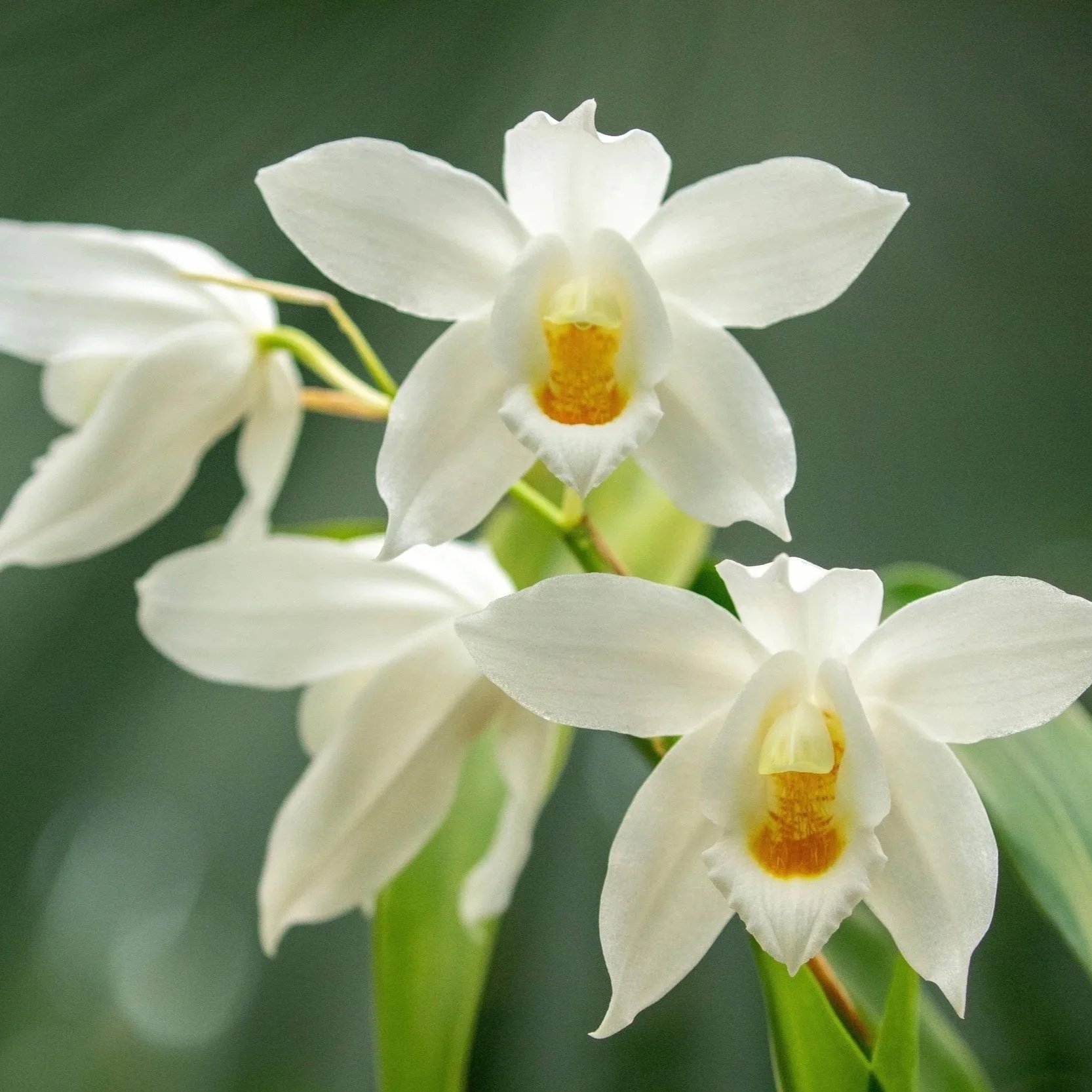
Distinctive beauty: Flowers combine subtle cream and pale yellow tones with soft, downy texture—an understated yet striking presence.
Fragrant charm: A light, sweet scent enhances living spaces without overwhelming.
Collector’s appeal: Ideal for enthusiasts seeking classic Coelogyne form and dependable reblooming when given attentive care.
Care Instructions for Coelogyne tomentosa Light
Provide bright, indirect light. East or filtered north light is ideal; avoid hot afternoon sun which can scorch leaves.
Leaf color is your guide: medium green indicates correct light; dark green means increase light slightly, while yellowing or bleached patches indicate excess.
Temperature & Humidity
Day: 70–80°F (21–27°C); Night: 55–62°F (13–17°C). Coelogyne tomentosa appreciates a cool-night drop to encourage bud set.
Maintain 50–70% relative humidity. Use a humidity tray, room humidifier, or a greenhouse misting cycle to sustain consistent moisture in the air.
Watering
Water regularly during active growth (spring–summer): keep media evenly moist but not waterlogged. Allow the top layer to begin drying between waterings.
Reduce frequency during winter dormancy after flowering: allow media to dry a bit more between waterings while avoiding prolonged desiccation.
Use tepid, low-salt water when possible. Avoid softened water.
Potting Medium & Repotting
Use a well-draining, airy mix: medium-grade fir bark, charcoal, and a small proportion of sphagnum or coconut husk for moisture retention.
Repot every 2–3 years or when sphagnum/bark breaks down. Best time is just after flowering when new growth begins.
Plant so the pseudobulbs sit slightly above the medium surface to reduce rot risk.
Fertilization
Feed with a balanced orchid fertilizer (20-20-20 or similar) at quarter to half strength every 1–2 weeks during active growth.
During winter or slower growth, fertilize monthly at reduced strength.
Flush the pot thoroughly monthly to prevent salt buildup.
Airflow
Ensure good air movement around the plant to reduce fungal and bacterial problems and to promote sturdy growth. Gentle circulating fans are beneficial.
Blooming & Aftercare
Flowers appear on lateral inflorescences; expect multiple blooms per spike. Provide stable cool nights and consistent care to encourage repeat blooming.
After flowering, trim spent spikes only when completely brown. Continue regular care to support new growth.
Common Issues
Yellowing/soft leaves: often from overwatering or poor drainage. Check roots and repot into fresh, well-draining mix if needed.
Bud drop: usually caused by sudden temperature/humidity changes or insufficient light. Stabilize conditions and avoid drafts.
Pests: watch for scale, mealybugs, and spider mites. Treat early with targeted horticultural oil or horticultural soap; isolate affected plants.
O'Dowd’s Orchids presents Coelogyne tomentosa — a refined jewel for the connoisseur’s collection. Renowned for its plush, velvety petals, delicate fragrance, and elegant spray-form inflorescences, C. tomentosa brings timeless sophistication to any interior or greenhouse. Each specimen at O'Dowd’s is shipped nationwide ready to thrive in your collection. Four inch pot, standing 20 inches tall.
Why choose O’Dowd’s Coelogyne tomentosa?
Distinctive beauty: Flowers combine subtle cream and pale yellow tones with soft, downy texture—an understated yet striking presence.
Fragrant charm: A light, sweet scent enhances living spaces without overwhelming.
Collector’s appeal: Ideal for enthusiasts seeking classic Coelogyne form and dependable reblooming when given attentive care.
Care Instructions for Coelogyne tomentosa Light
Provide bright, indirect light. East or filtered north light is ideal; avoid hot afternoon sun which can scorch leaves.
Leaf color is your guide: medium green indicates correct light; dark green means increase light slightly, while yellowing or bleached patches indicate excess.
Temperature & Humidity
Day: 70–80°F (21–27°C); Night: 55–62°F (13–17°C). Coelogyne tomentosa appreciates a cool-night drop to encourage bud set.
Maintain 50–70% relative humidity. Use a humidity tray, room humidifier, or a greenhouse misting cycle to sustain consistent moisture in the air.
Watering
Water regularly during active growth (spring–summer): keep media evenly moist but not waterlogged. Allow the top layer to begin drying between waterings.
Reduce frequency during winter dormancy after flowering: allow media to dry a bit more between waterings while avoiding prolonged desiccation.
Use tepid, low-salt water when possible. Avoid softened water.
Potting Medium & Repotting
Use a well-draining, airy mix: medium-grade fir bark, charcoal, and a small proportion of sphagnum or coconut husk for moisture retention.
Repot every 2–3 years or when sphagnum/bark breaks down. Best time is just after flowering when new growth begins.
Plant so the pseudobulbs sit slightly above the medium surface to reduce rot risk.
Fertilization
Feed with a balanced orchid fertilizer (20-20-20 or similar) at quarter to half strength every 1–2 weeks during active growth.
During winter or slower growth, fertilize monthly at reduced strength.
Flush the pot thoroughly monthly to prevent salt buildup.
Airflow
Ensure good air movement around the plant to reduce fungal and bacterial problems and to promote sturdy growth. Gentle circulating fans are beneficial.
Blooming & Aftercare
Flowers appear on lateral inflorescences; expect multiple blooms per spike. Provide stable cool nights and consistent care to encourage repeat blooming.
After flowering, trim spent spikes only when completely brown. Continue regular care to support new growth.
Common Issues
Yellowing/soft leaves: often from overwatering or poor drainage. Check roots and repot into fresh, well-draining mix if needed.
Bud drop: usually caused by sudden temperature/humidity changes or insufficient light. Stabilize conditions and avoid drafts.
Pests: watch for scale, mealybugs, and spider mites. Treat early with targeted horticultural oil or horticultural soap; isolate affected plants.