 Image 1 of 4
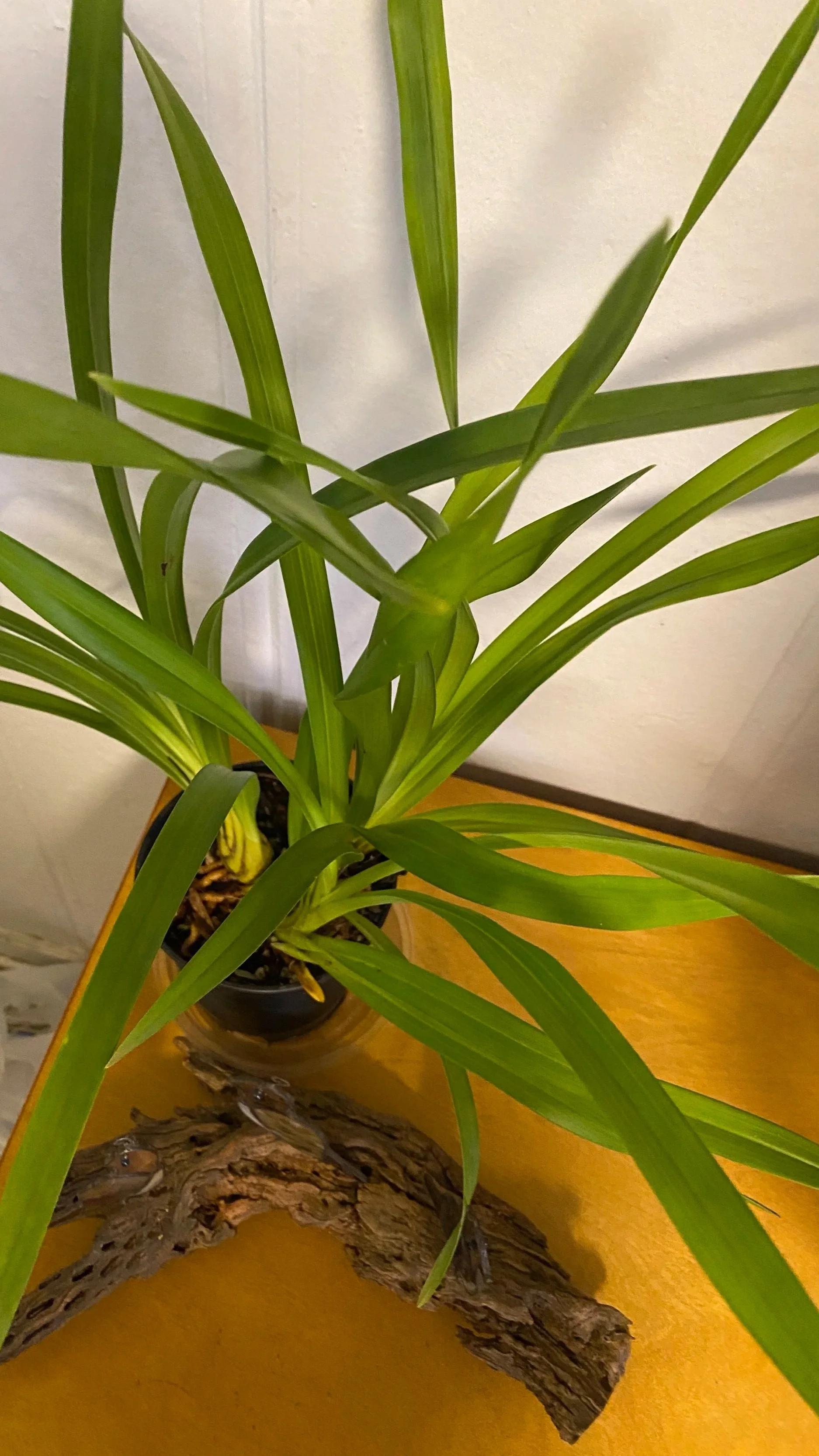 Image 2 of 4
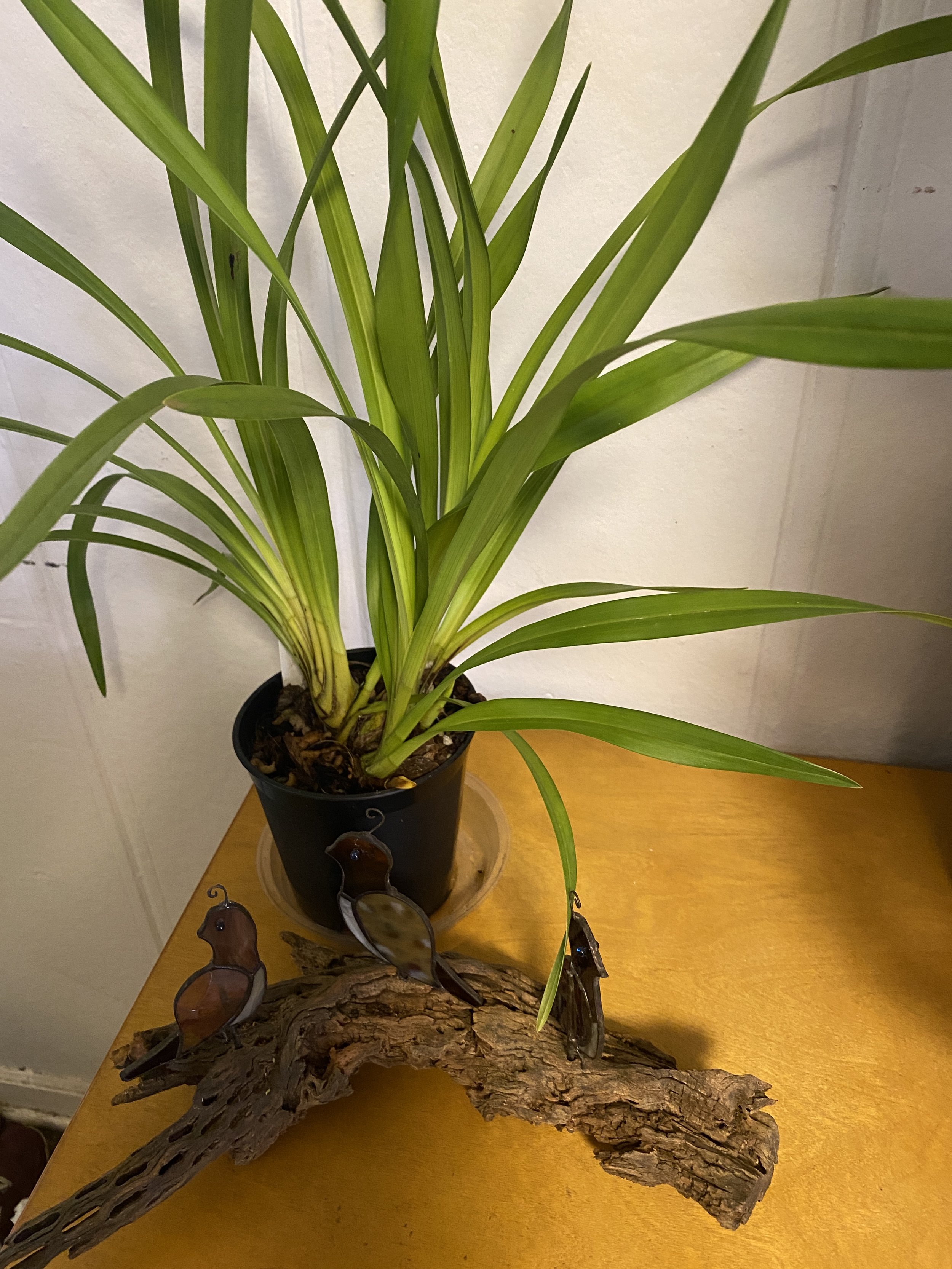 Image 3 of 4
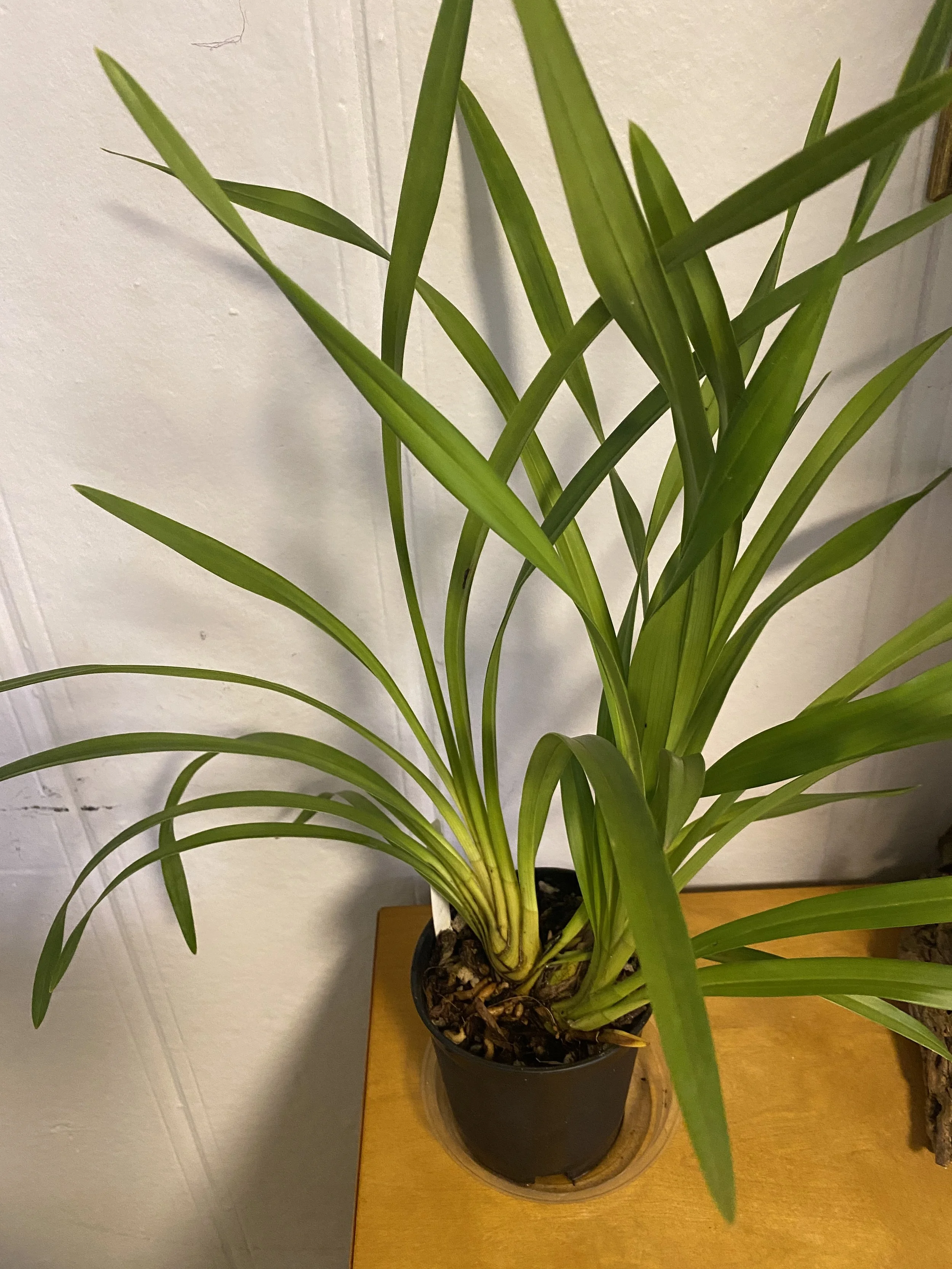 Image 4 of 4
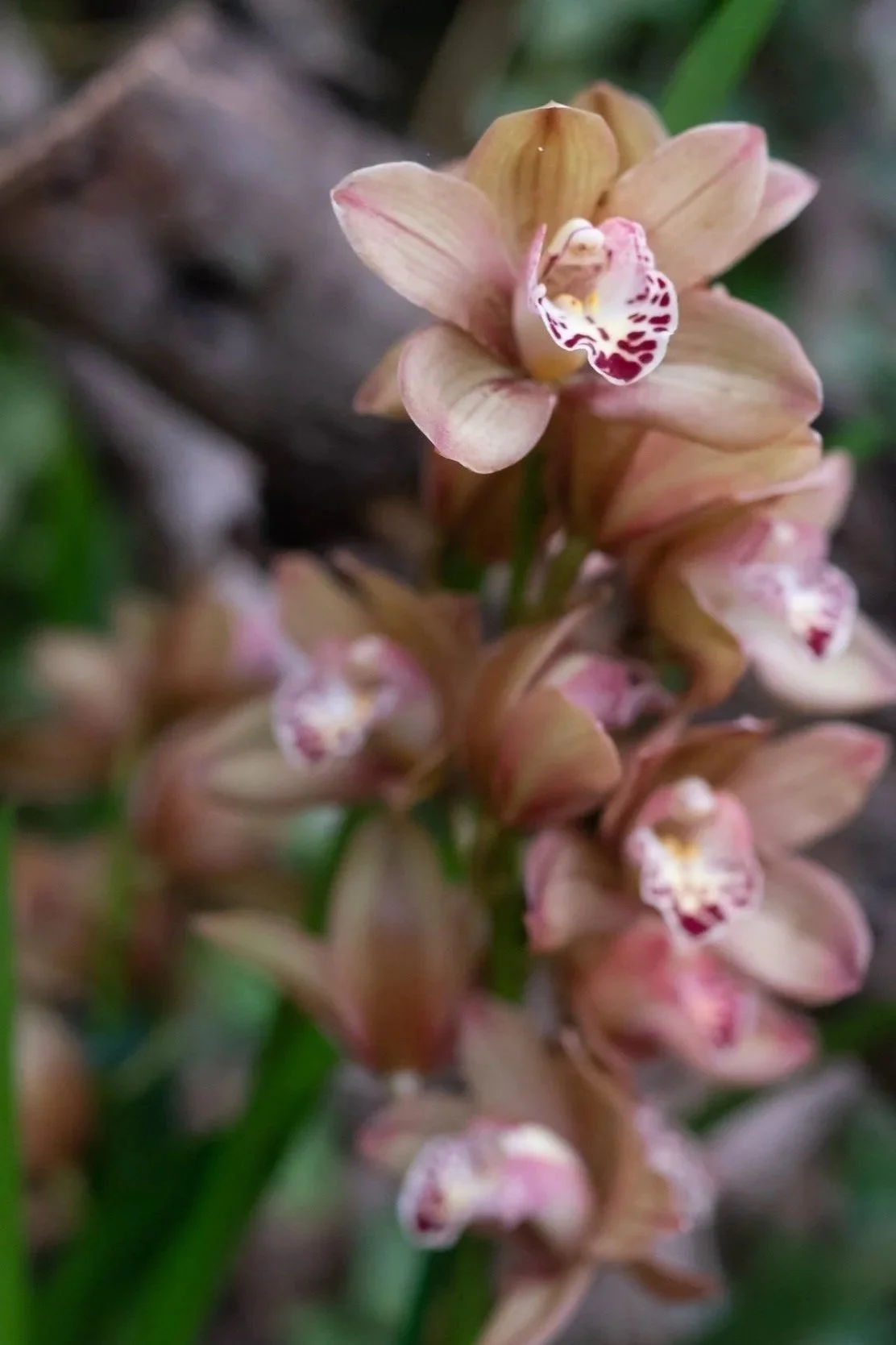
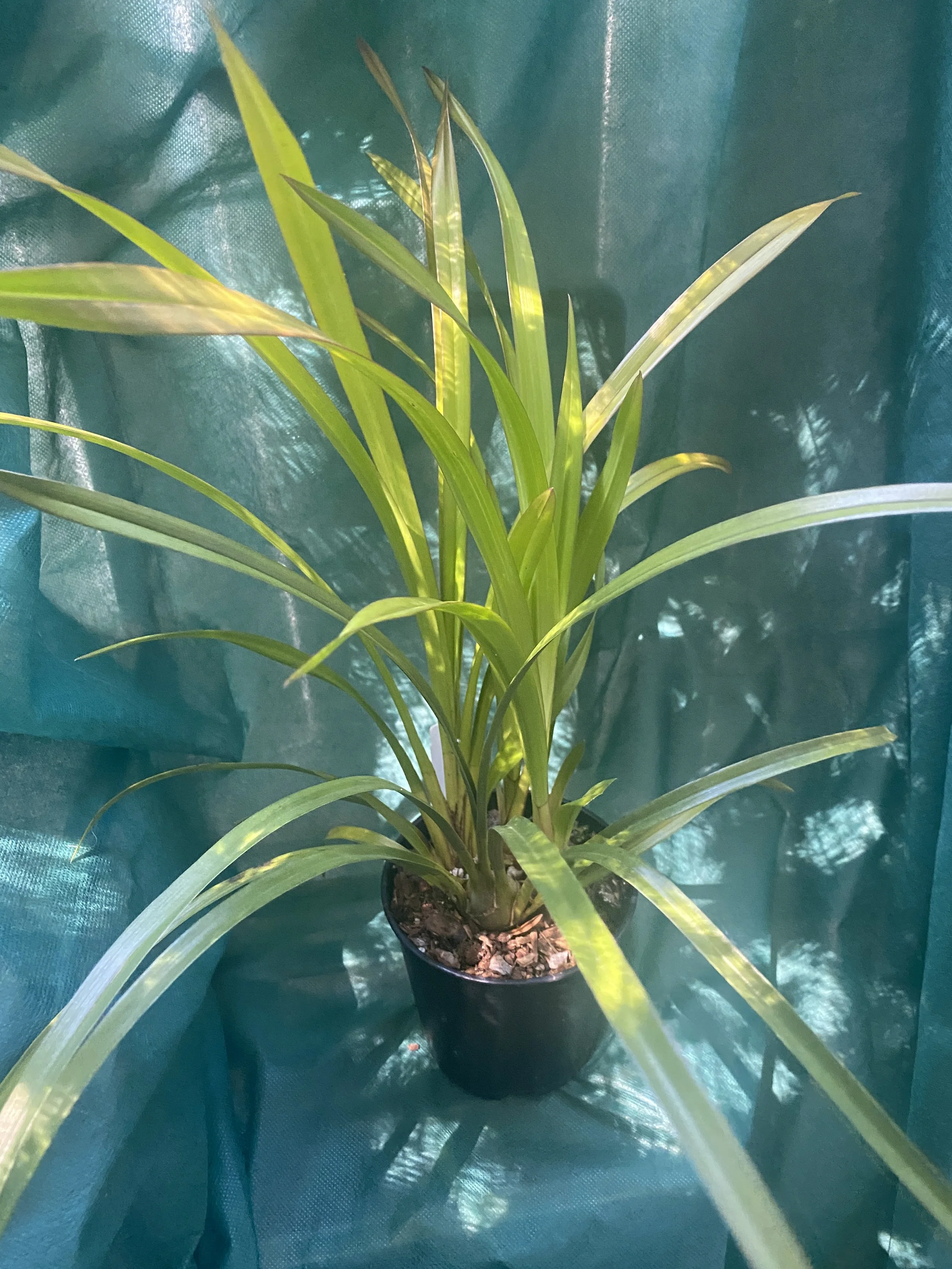
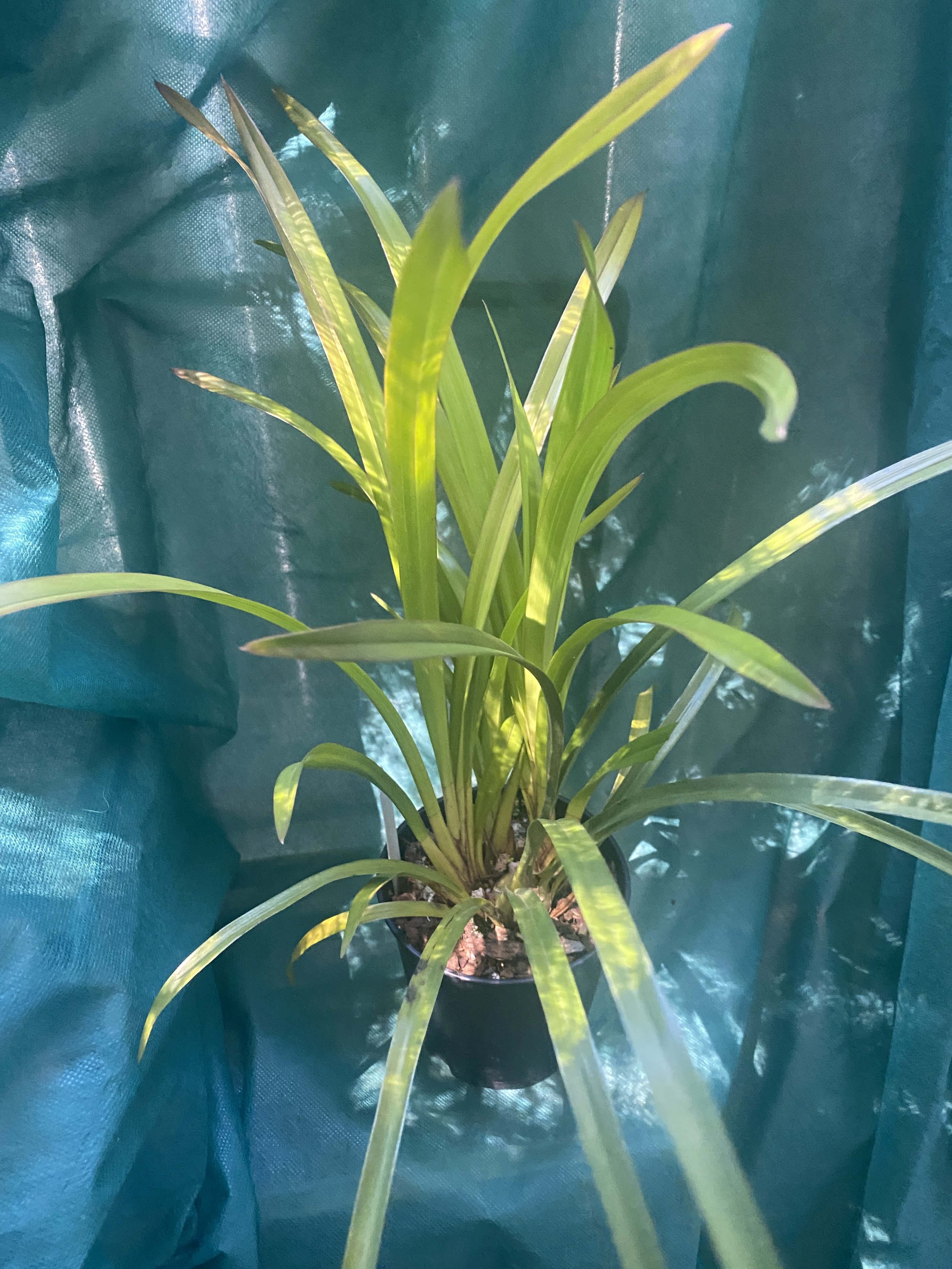
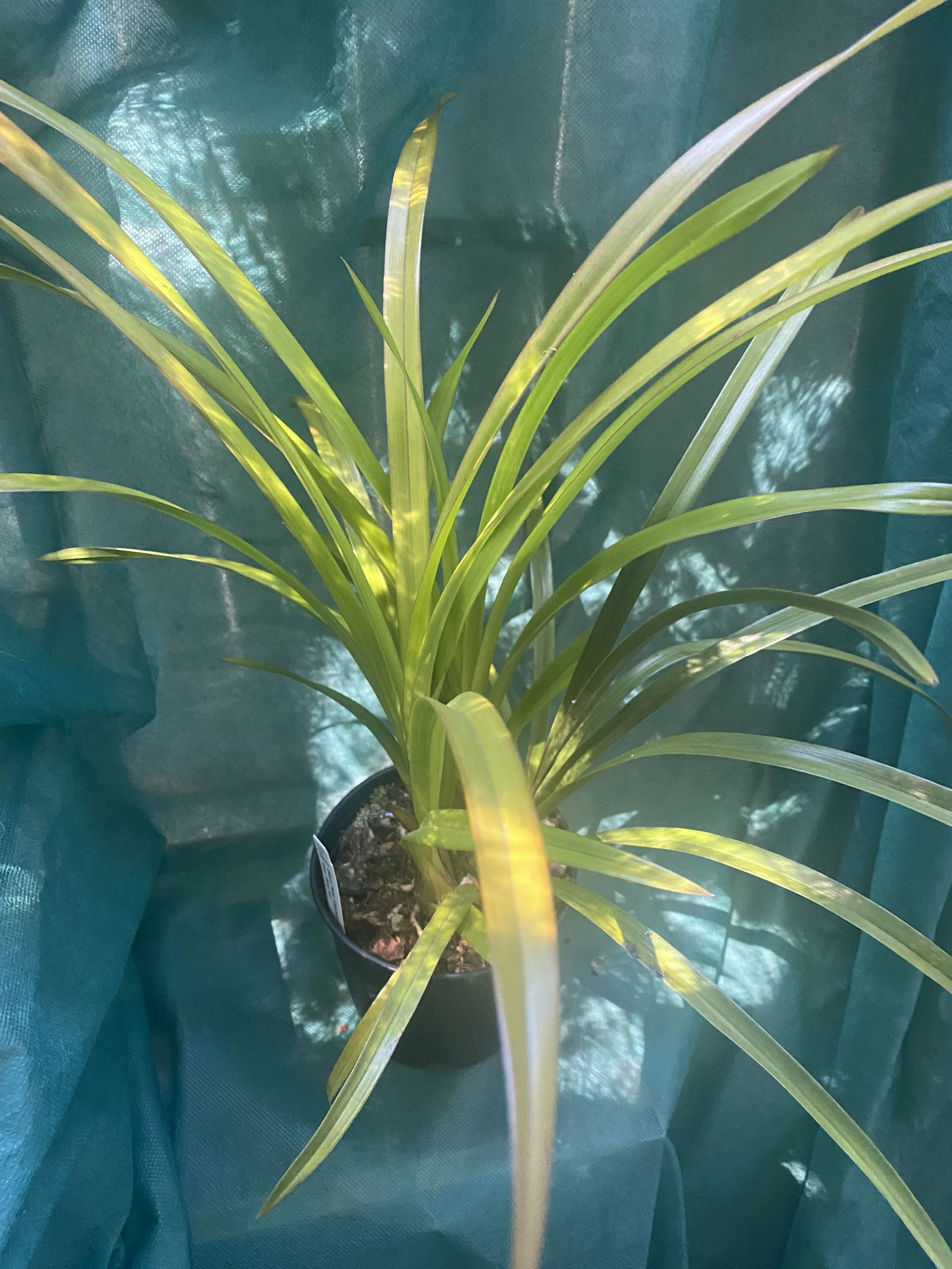
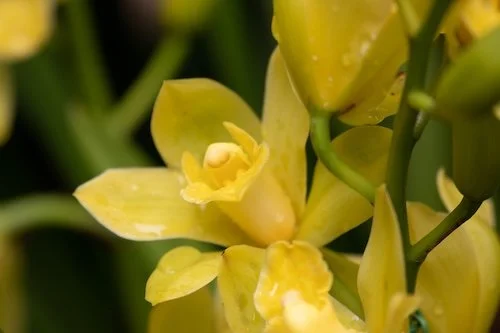
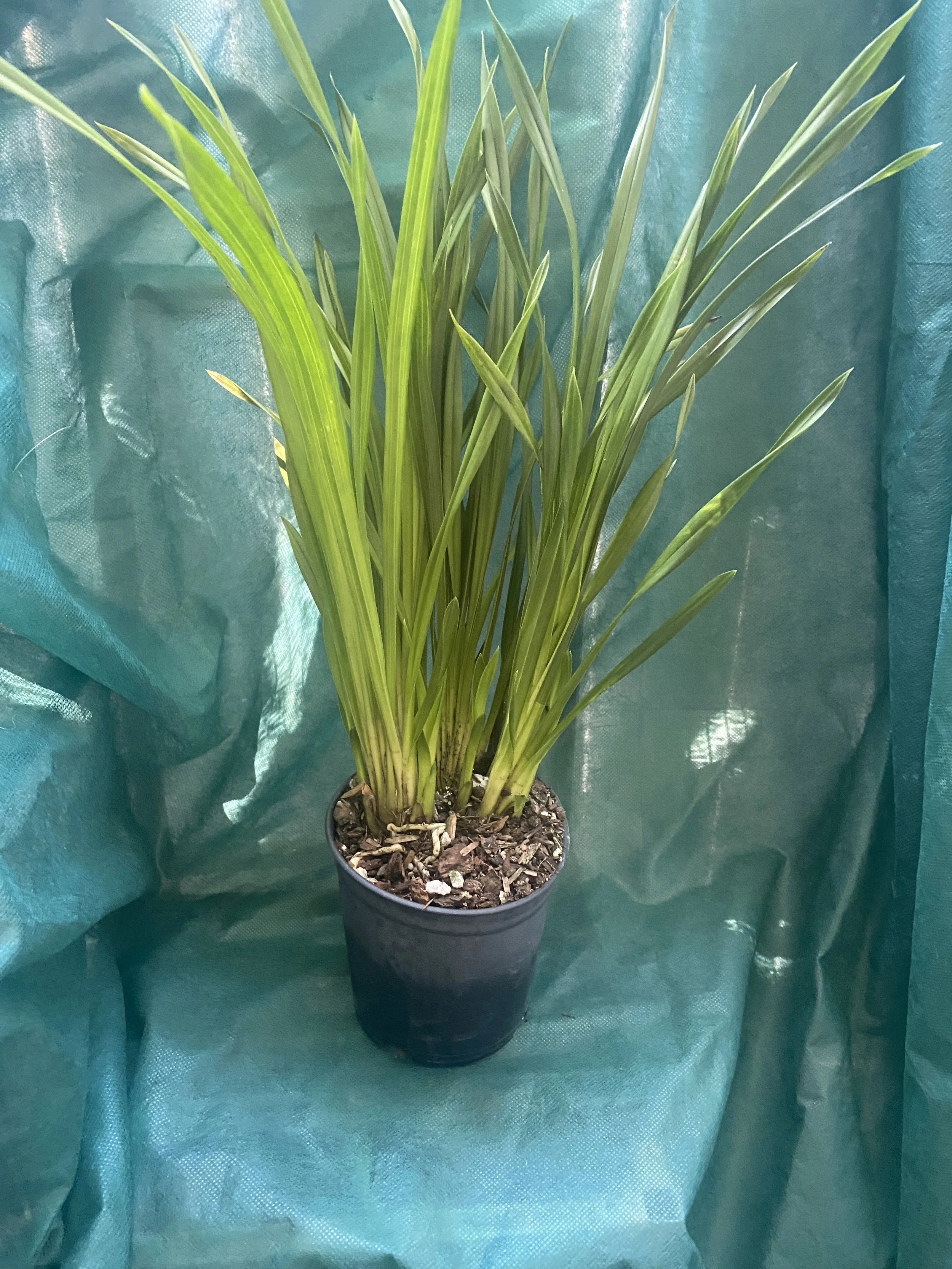
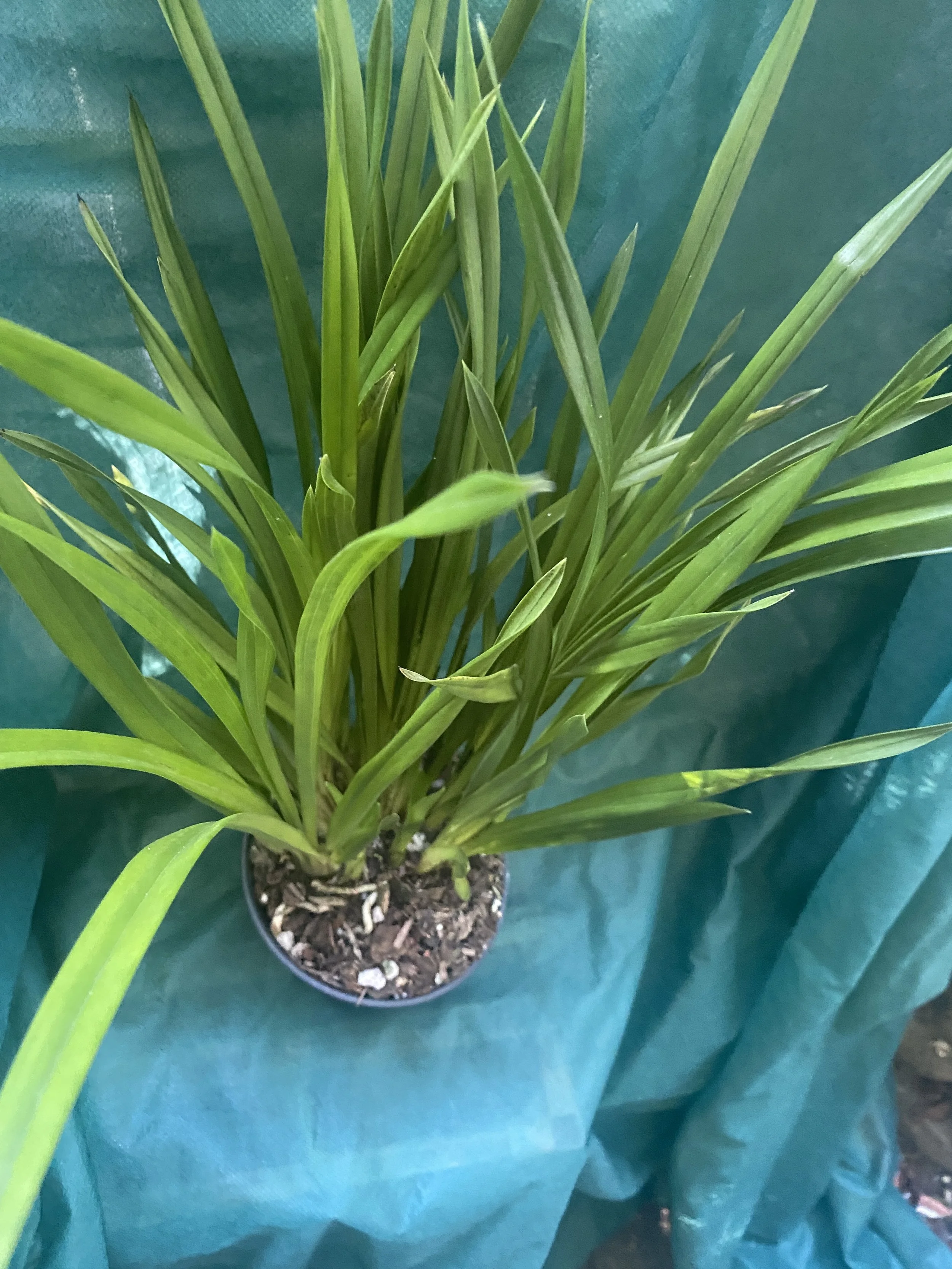
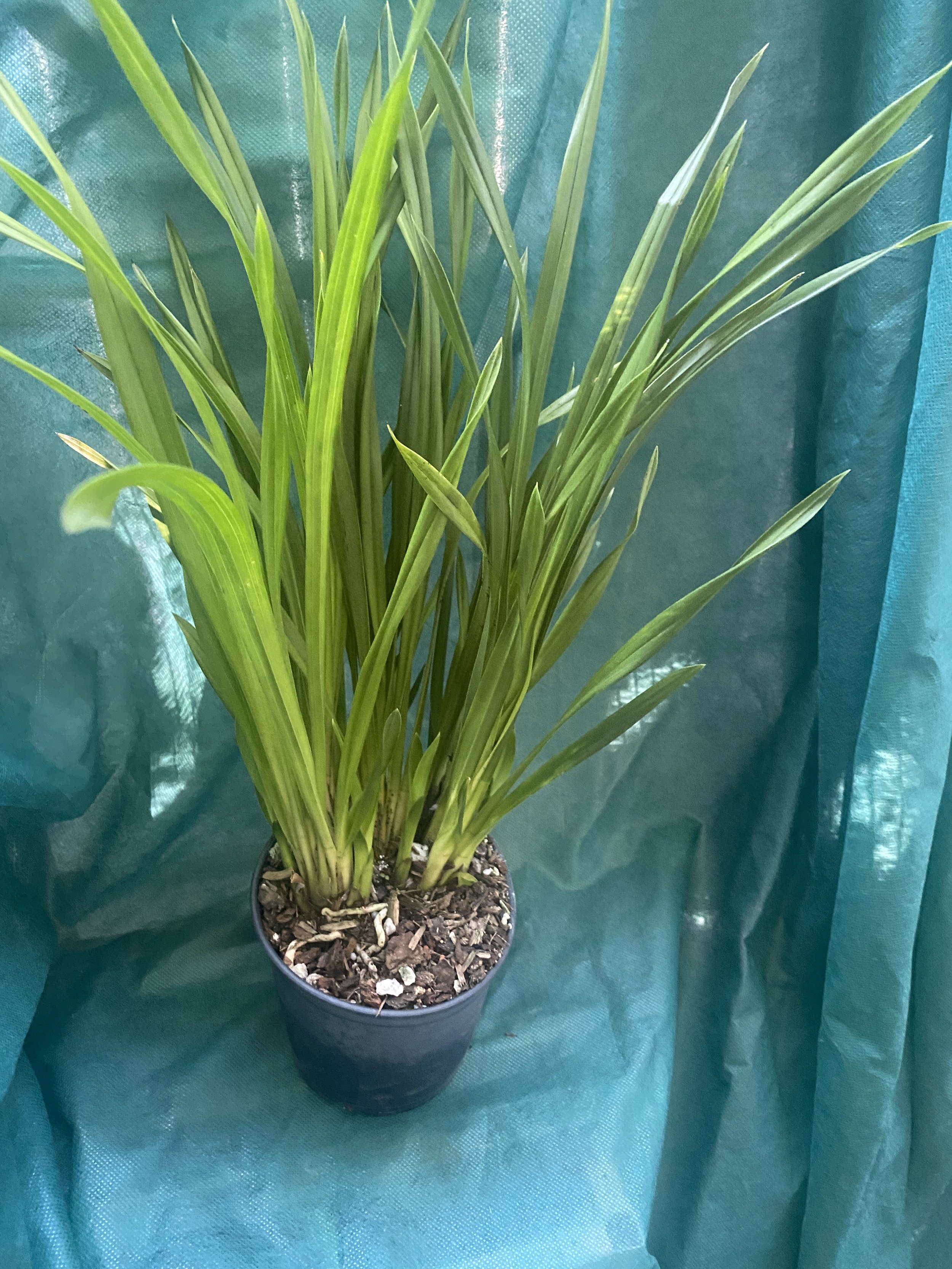
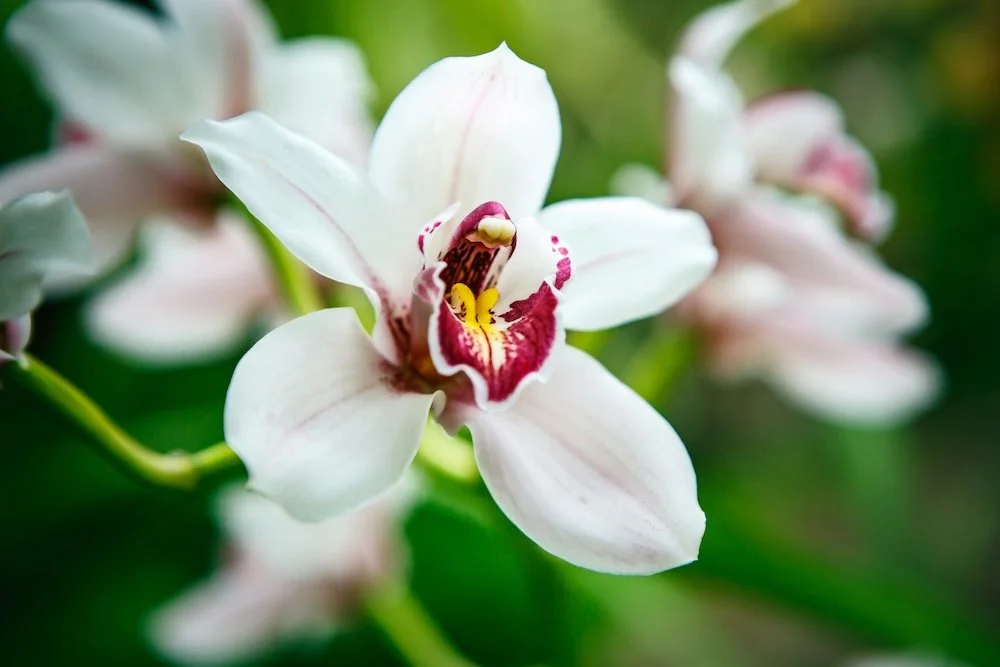
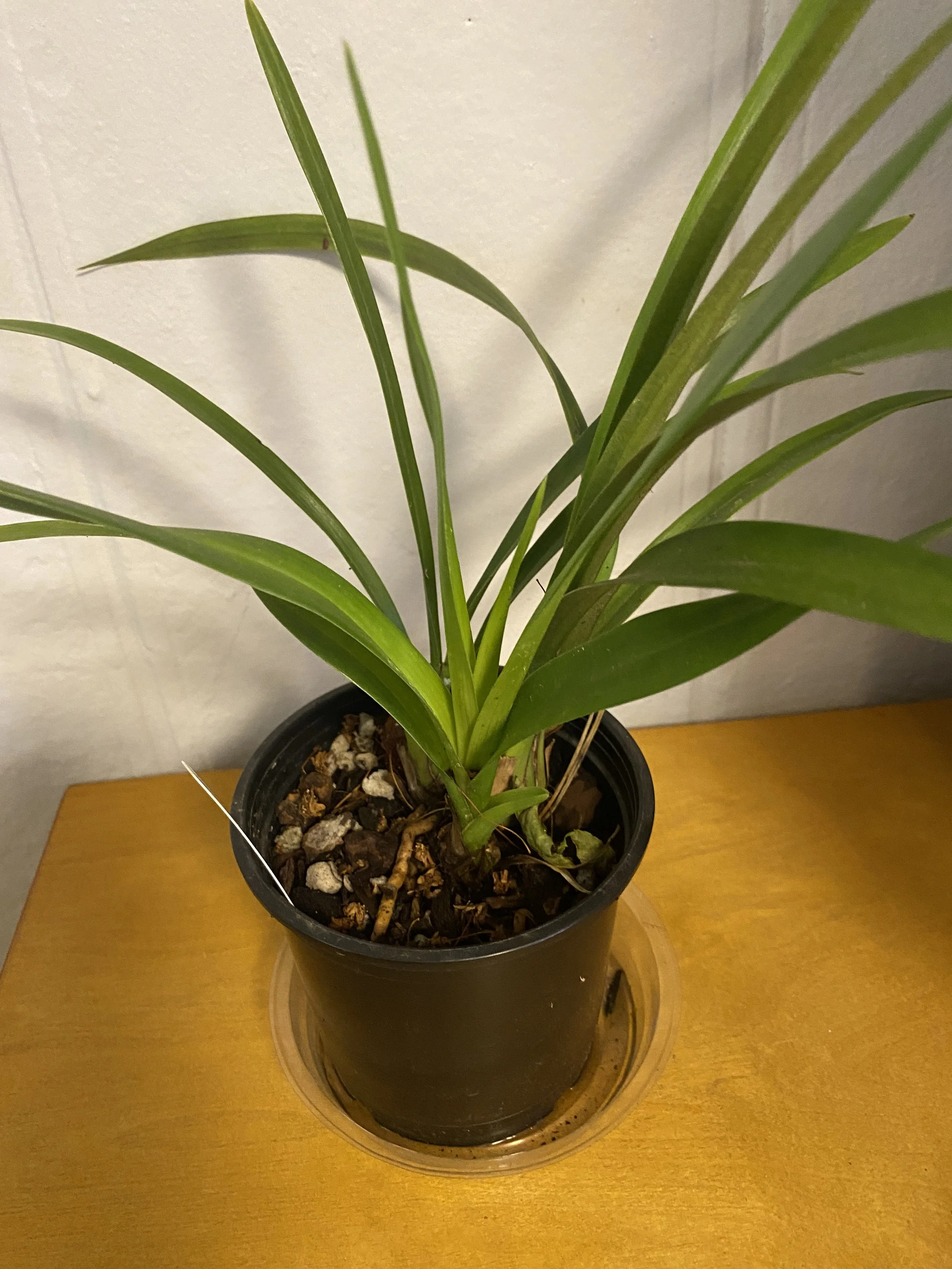
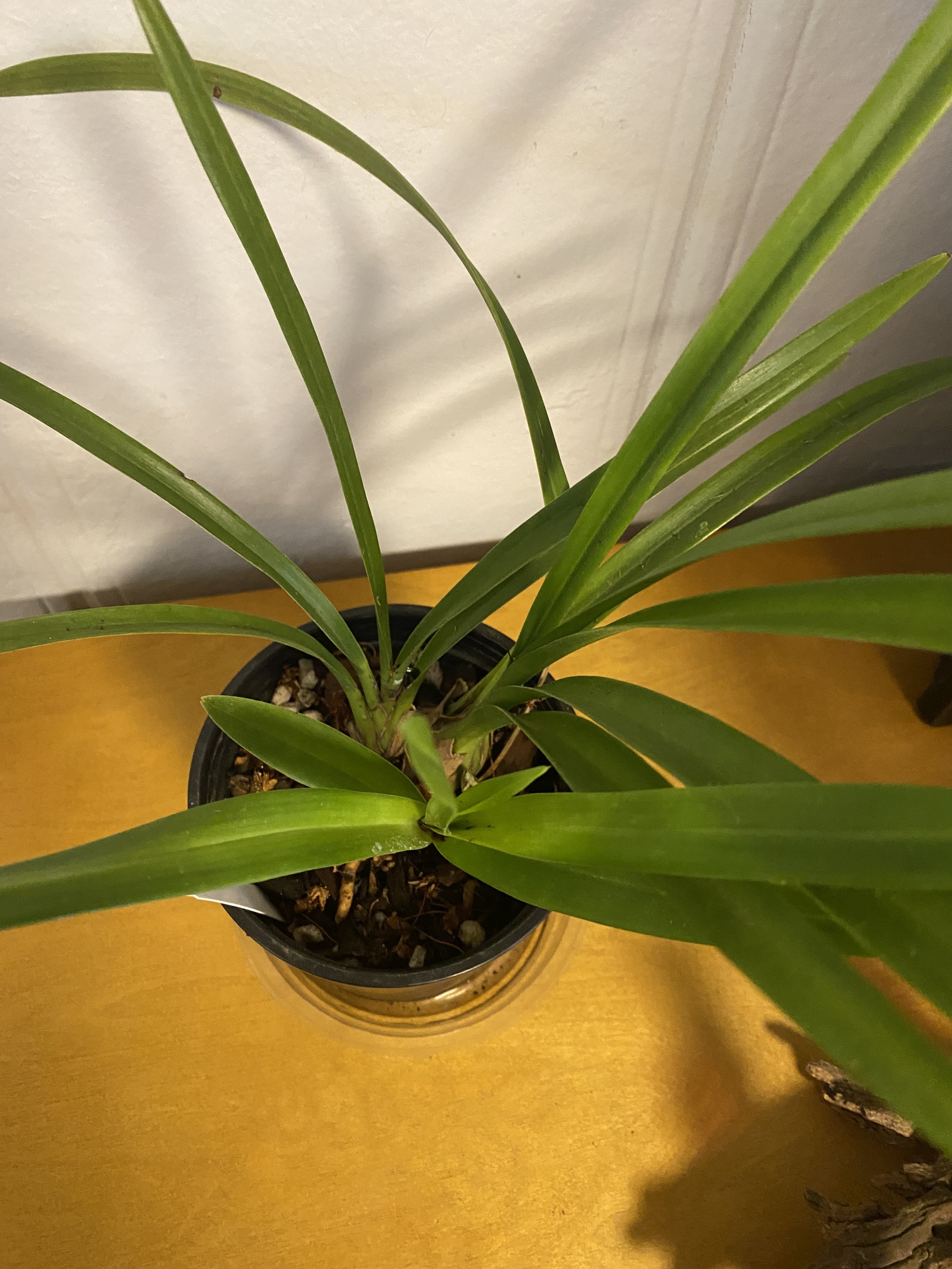
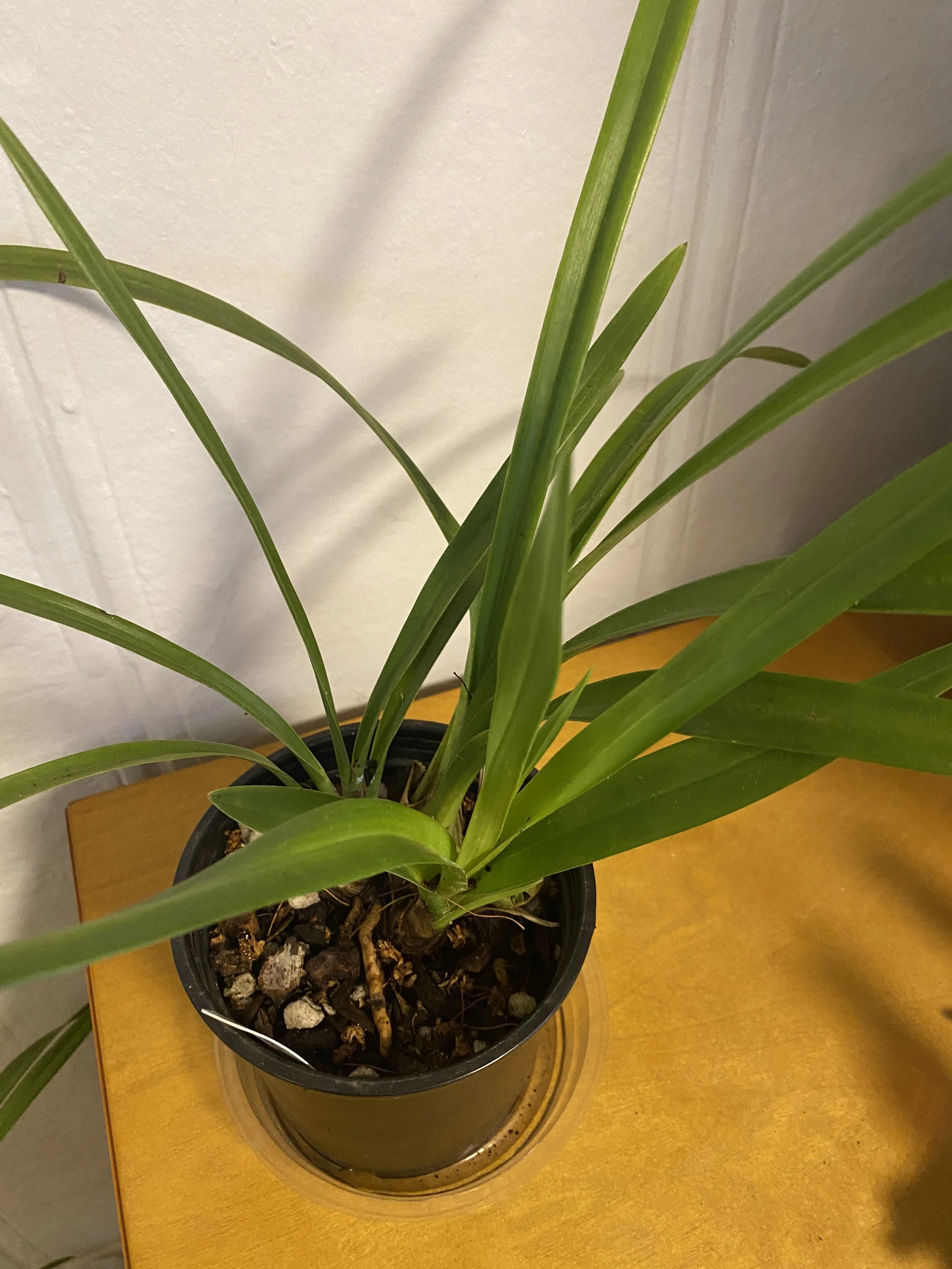
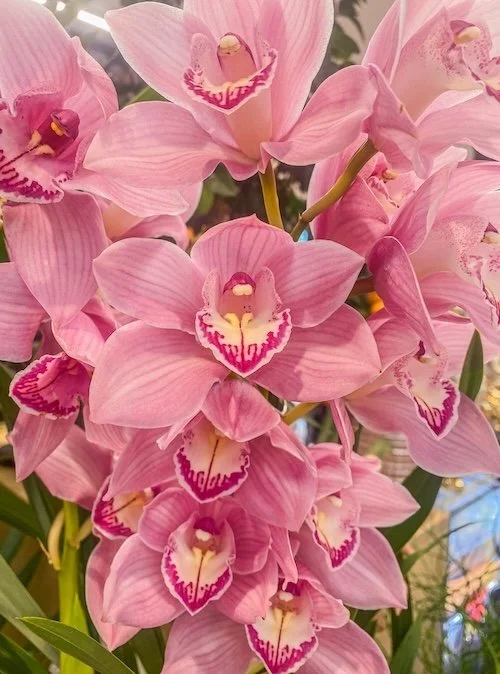
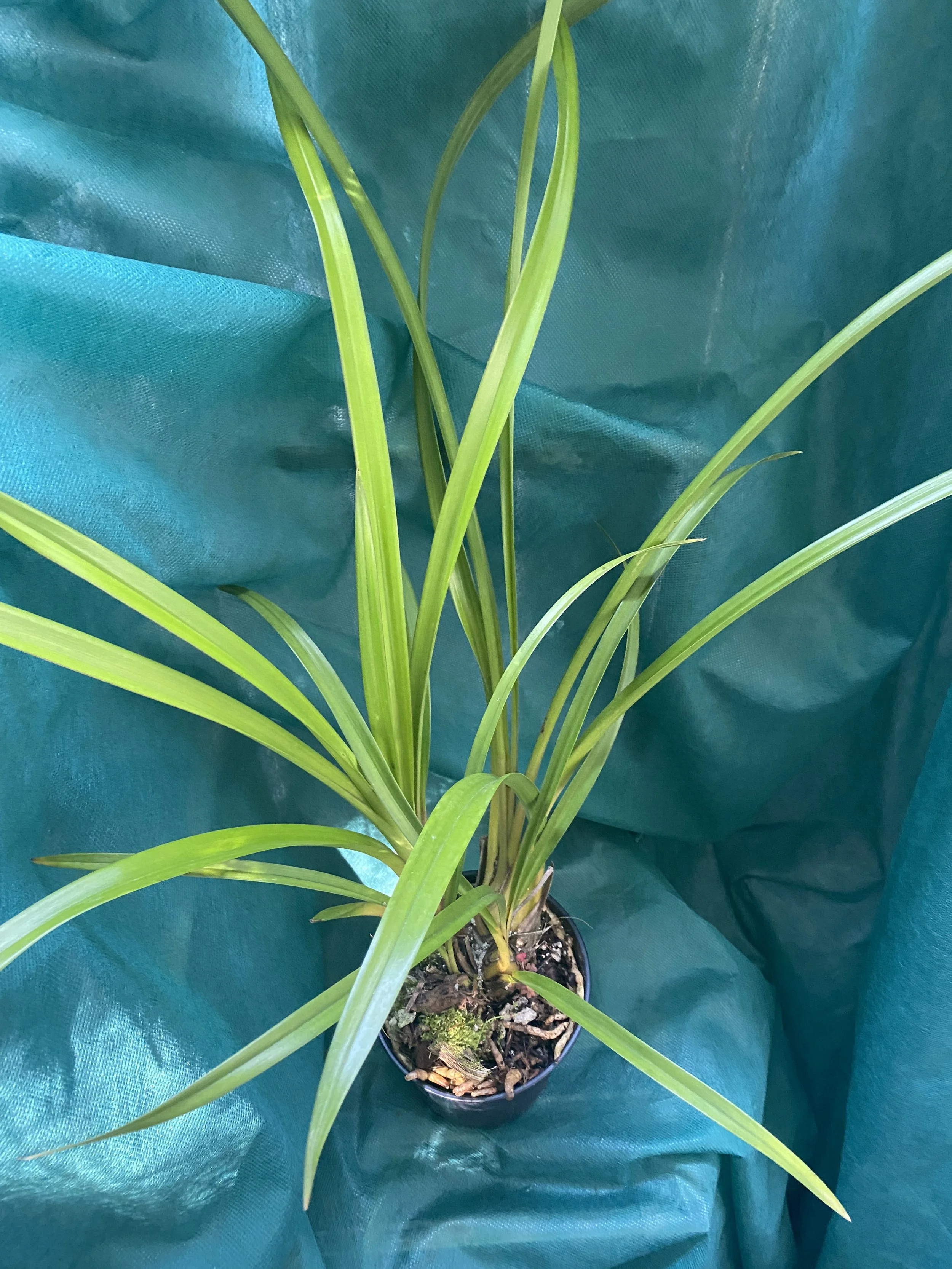
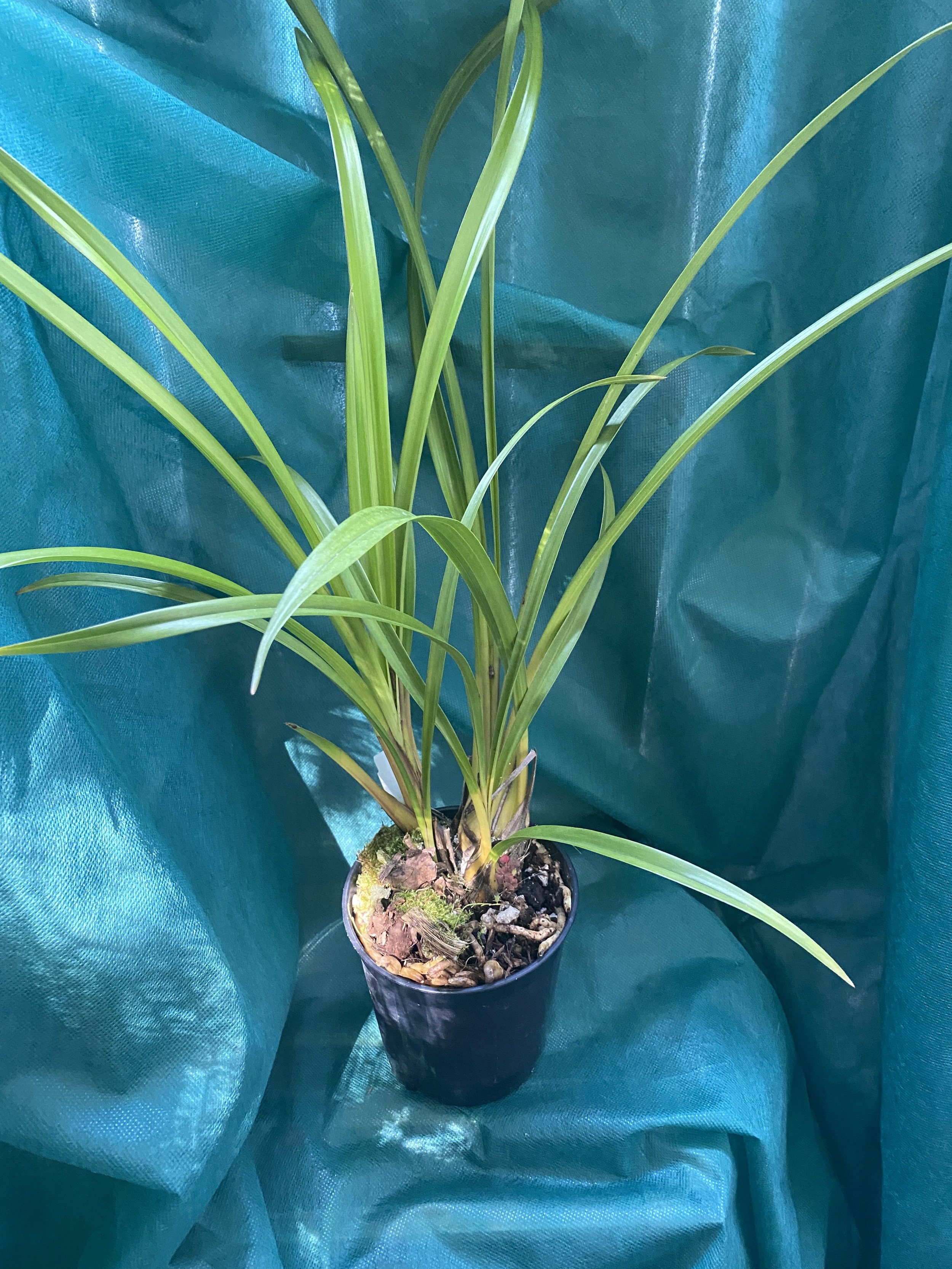
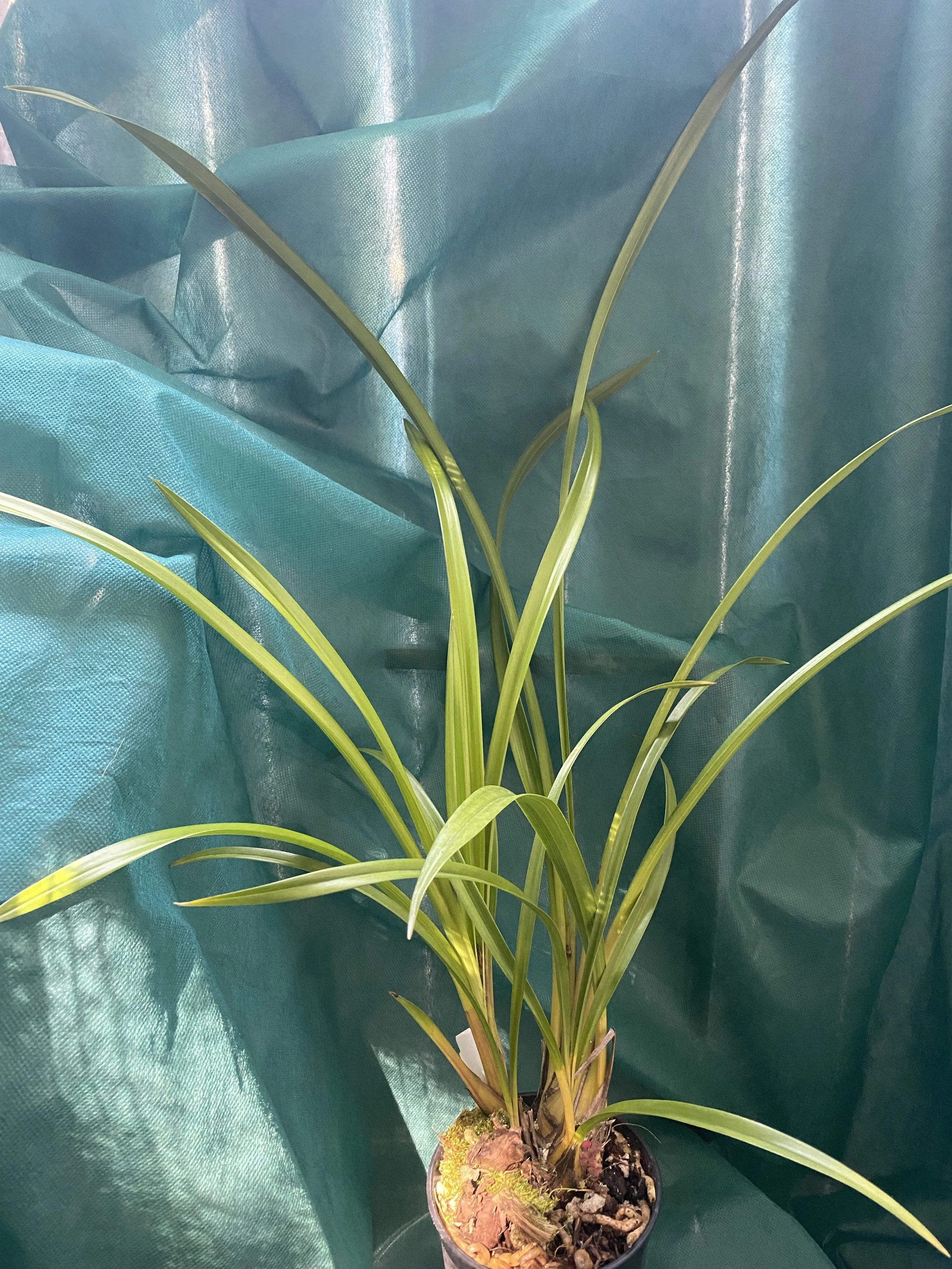
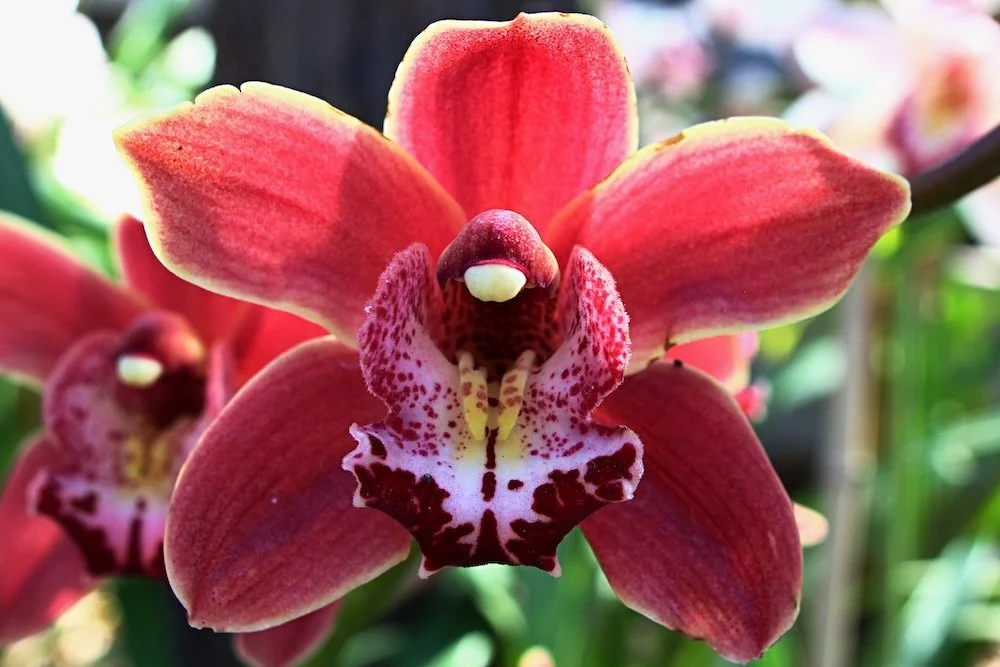
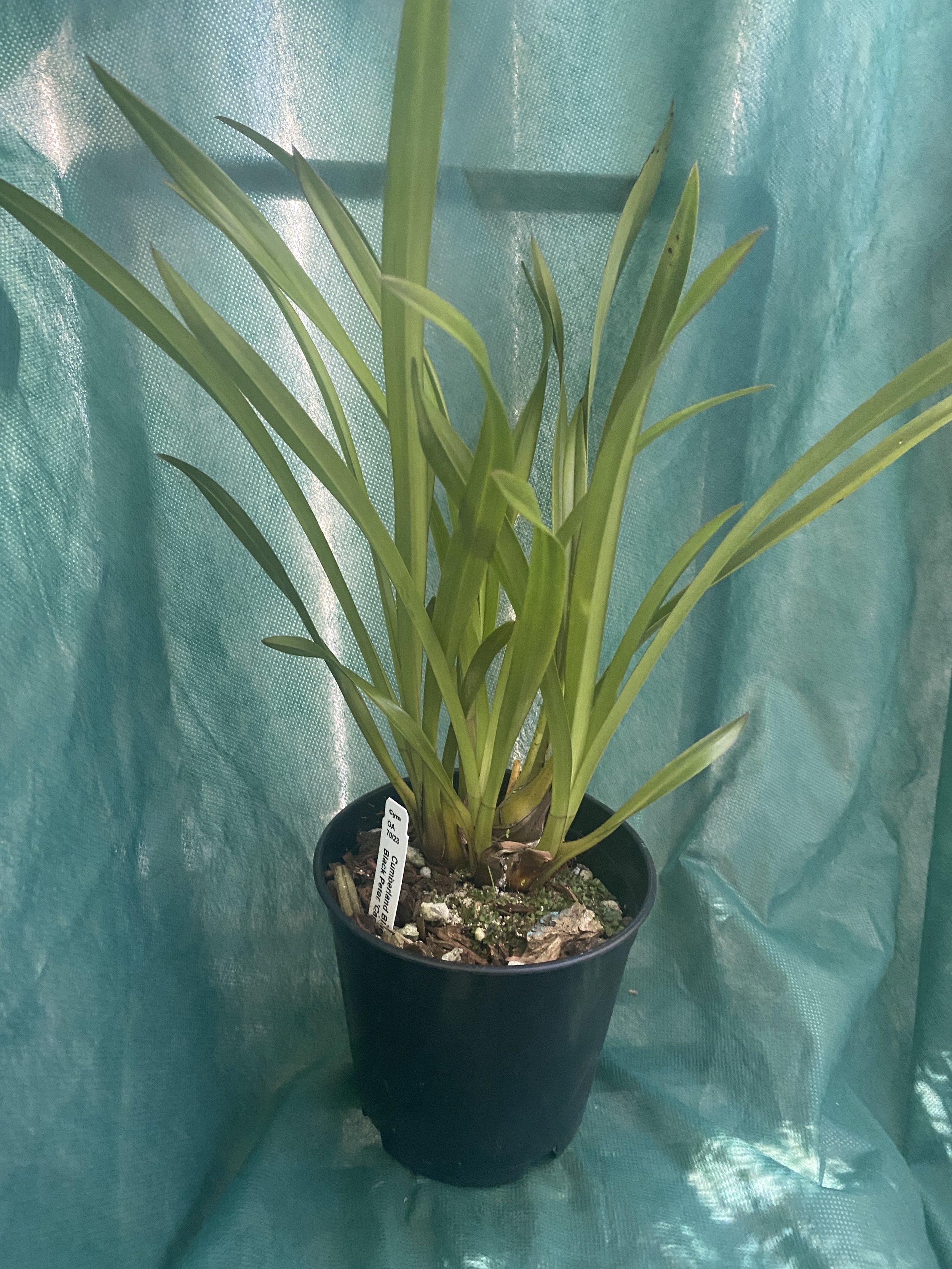
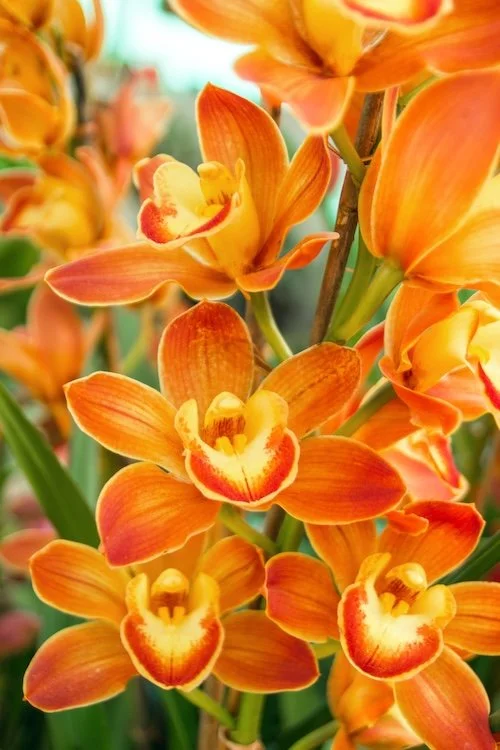
Cymbidium Sunshine Day Dream 'Flame Orange' × Sunshine Day Dream 'Blood Orange' — a dramatic, collector-grade Cymbidium that commands attention. From O'Dowds Orchids, specialists in premium Cymbidiums and rare orchids, this cross delivers saturated, sunset-orange blooms with bold lip contrast and excellent spike count. Each bloom shows robust substance and long vase life, making it superb for cutting and display. Plants are grown with expert care for strong roots, healthy foliage, and dependable rebloom potential. We ship nationwide.
Why this plant belongs in your collection
Striking color: Deep flame-orange petals and sepals with an even richer, blood-orange tonal center create a vivid, painterly effect.
Floriferous habit: Produces multiple long-lasting sprays per season; ideal for dramatic arrangements or gallery-style displays.
Excellent substance and longevity: Thick petals and durable spikes mean blooms hold color and form for weeks.
Collector appeal: A premium, named grex with parentage valued by hybrid enthusiasts — a conversation piece and a specimen-quality Cymbidium.
Proven culture: Raised under careful conditions to ensure strong acclimation and reliable reblooming.
Care guidelines — keep your Cymbidium thriving Light
Bright, filtered light is essential. Aim for 40–60% sun. Morning sun or strong bright shade works best. Leaves should be apple-green; deep green signals too little light, red or bleached tips indicate too much.
Temperature
Cymbidiums love a cool to intermediate regime. Day: 65–80°F (18–27°C). Night: 50–60°F (10–15°C). A 10–20°F drop at night, especially in late summer to fall, encourages spike initiation.
Watering
Keep evenly moist during active growth (spring–early fall). Water thoroughly, allowing excess to drain; do not let the pot sit in water. In winter, reduce frequency but avoid complete drying—maintain slight moisture.
Humidity & air movement
40–60% humidity is ideal. Provide good air circulation to prevent fungal problems; a gentle fan is helpful in enclosed spaces.
Potting medium & repotting
Use a free-draining mix: medium-grade fir bark with some perlite and charcoal or a specialty Cymbidium mix. Repot every 2–3 years after flowering or when potting medium breaks down, best done in spring as new growth begins.
Fertilizer
Feed regularly during growth: balanced 20-20-20 or orchid-specific fertilizer at half strength every 1–2 weeks. In late summer to fall, switch to a bloom-boost formula higher in phosphorus (e.g., 10-30-20) to support spike formation. Flush with plain water monthly to prevent salt build-up.
Blooming & maintenance
Spike initiation is encouraged by cooler nights in late summer/fall. Remove spent flowers to tidy spikes; leave healthy spikes intact unless they brown. Provide stable conditions through the bloom period to maximize vase life.
Pests & disease
Monitor for scale, mealybugs, slugs, and spider mites. Treat early with horticultural soaps, alcohol swabs for localized pests, or appropriate systemic products for heavier infestations. Good airflow and careful watering reduce fungal and rot risks.
Cymbidium Sunshine Day Dream 'Flame Orange' × Sunshine Day Dream 'Blood Orange' — a dramatic, collector-grade Cymbidium that commands attention. From O'Dowds Orchids, specialists in premium Cymbidiums and rare orchids, this cross delivers saturated, sunset-orange blooms with bold lip contrast and excellent spike count. Each bloom shows robust substance and long vase life, making it superb for cutting and display. Plants are grown with expert care for strong roots, healthy foliage, and dependable rebloom potential. We ship nationwide.
Why this plant belongs in your collection
Striking color: Deep flame-orange petals and sepals with an even richer, blood-orange tonal center create a vivid, painterly effect.
Floriferous habit: Produces multiple long-lasting sprays per season; ideal for dramatic arrangements or gallery-style displays.
Excellent substance and longevity: Thick petals and durable spikes mean blooms hold color and form for weeks.
Collector appeal: A premium, named grex with parentage valued by hybrid enthusiasts — a conversation piece and a specimen-quality Cymbidium.
Proven culture: Raised under careful conditions to ensure strong acclimation and reliable reblooming.
Care guidelines — keep your Cymbidium thriving Light
Bright, filtered light is essential. Aim for 40–60% sun. Morning sun or strong bright shade works best. Leaves should be apple-green; deep green signals too little light, red or bleached tips indicate too much.
Temperature
Cymbidiums love a cool to intermediate regime. Day: 65–80°F (18–27°C). Night: 50–60°F (10–15°C). A 10–20°F drop at night, especially in late summer to fall, encourages spike initiation.
Watering
Keep evenly moist during active growth (spring–early fall). Water thoroughly, allowing excess to drain; do not let the pot sit in water. In winter, reduce frequency but avoid complete drying—maintain slight moisture.
Humidity & air movement
40–60% humidity is ideal. Provide good air circulation to prevent fungal problems; a gentle fan is helpful in enclosed spaces.
Potting medium & repotting
Use a free-draining mix: medium-grade fir bark with some perlite and charcoal or a specialty Cymbidium mix. Repot every 2–3 years after flowering or when potting medium breaks down, best done in spring as new growth begins.
Fertilizer
Feed regularly during growth: balanced 20-20-20 or orchid-specific fertilizer at half strength every 1–2 weeks. In late summer to fall, switch to a bloom-boost formula higher in phosphorus (e.g., 10-30-20) to support spike formation. Flush with plain water monthly to prevent salt build-up.
Blooming & maintenance
Spike initiation is encouraged by cooler nights in late summer/fall. Remove spent flowers to tidy spikes; leave healthy spikes intact unless they brown. Provide stable conditions through the bloom period to maximize vase life.
Pests & disease
Monitor for scale, mealybugs, slugs, and spider mites. Treat early with horticultural soaps, alcohol swabs for localized pests, or appropriate systemic products for heavier infestations. Good airflow and careful watering reduce fungal and rot risks.