 Image 1 of 4
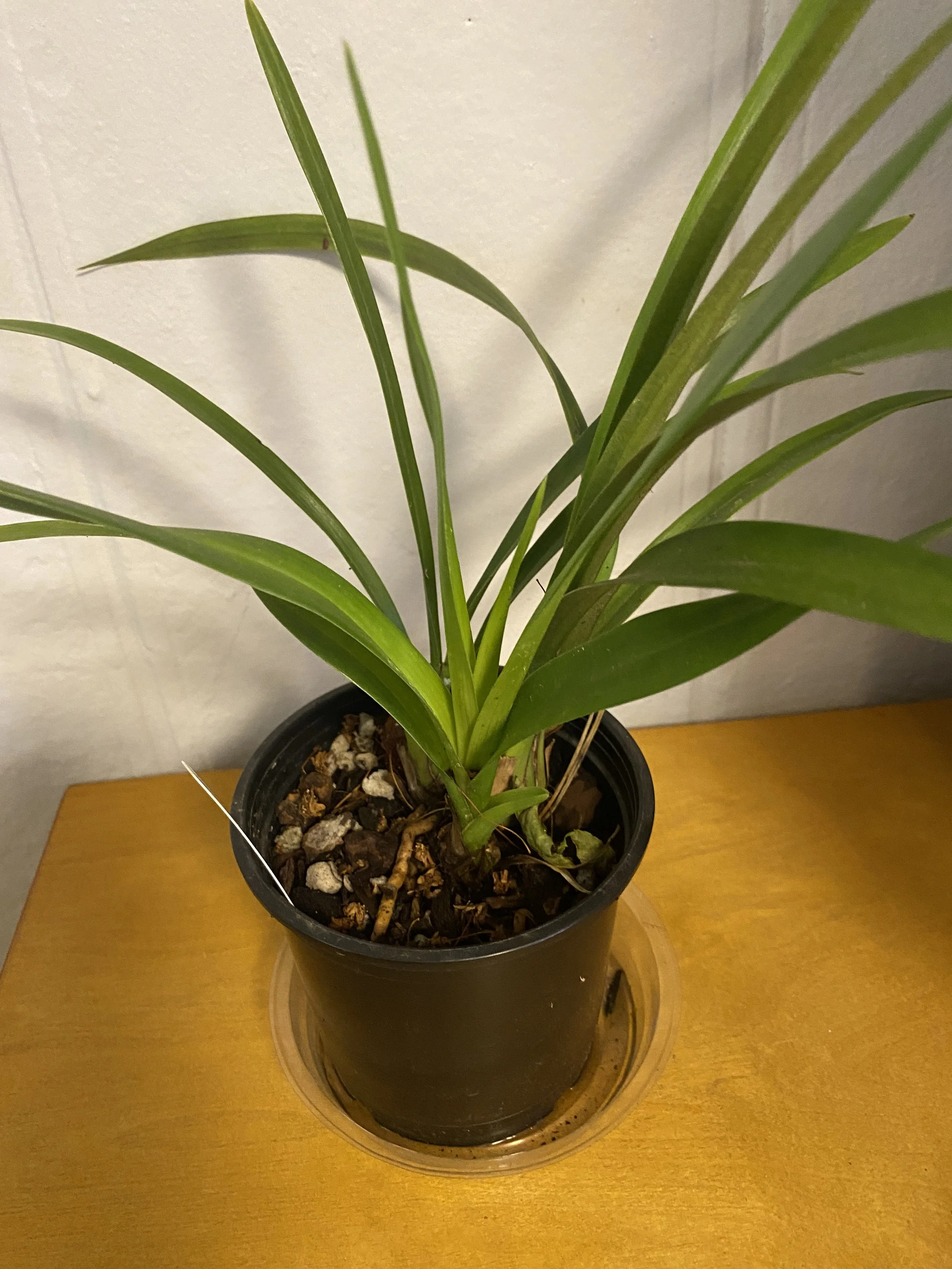 Image 2 of 4
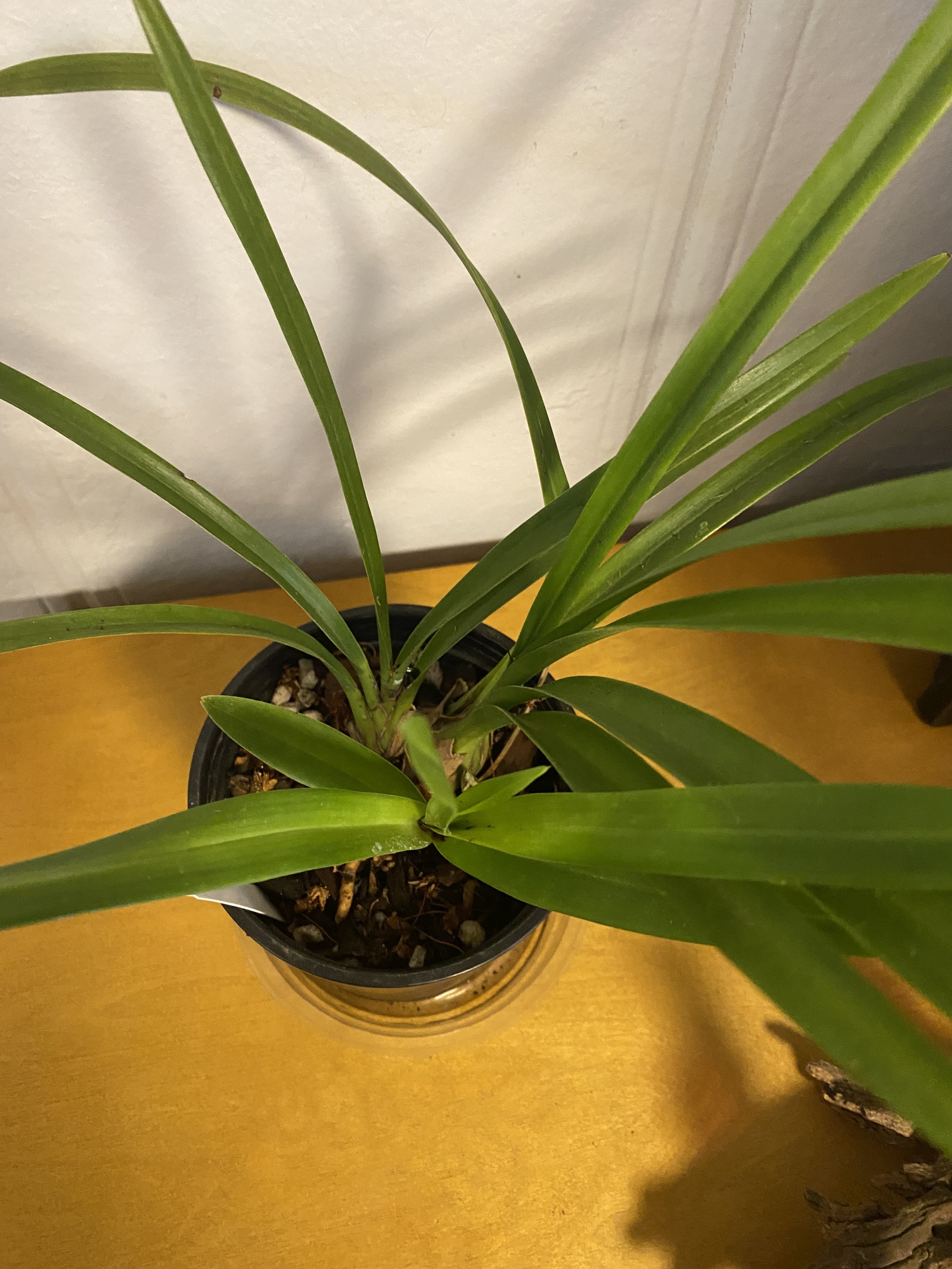 Image 3 of 4
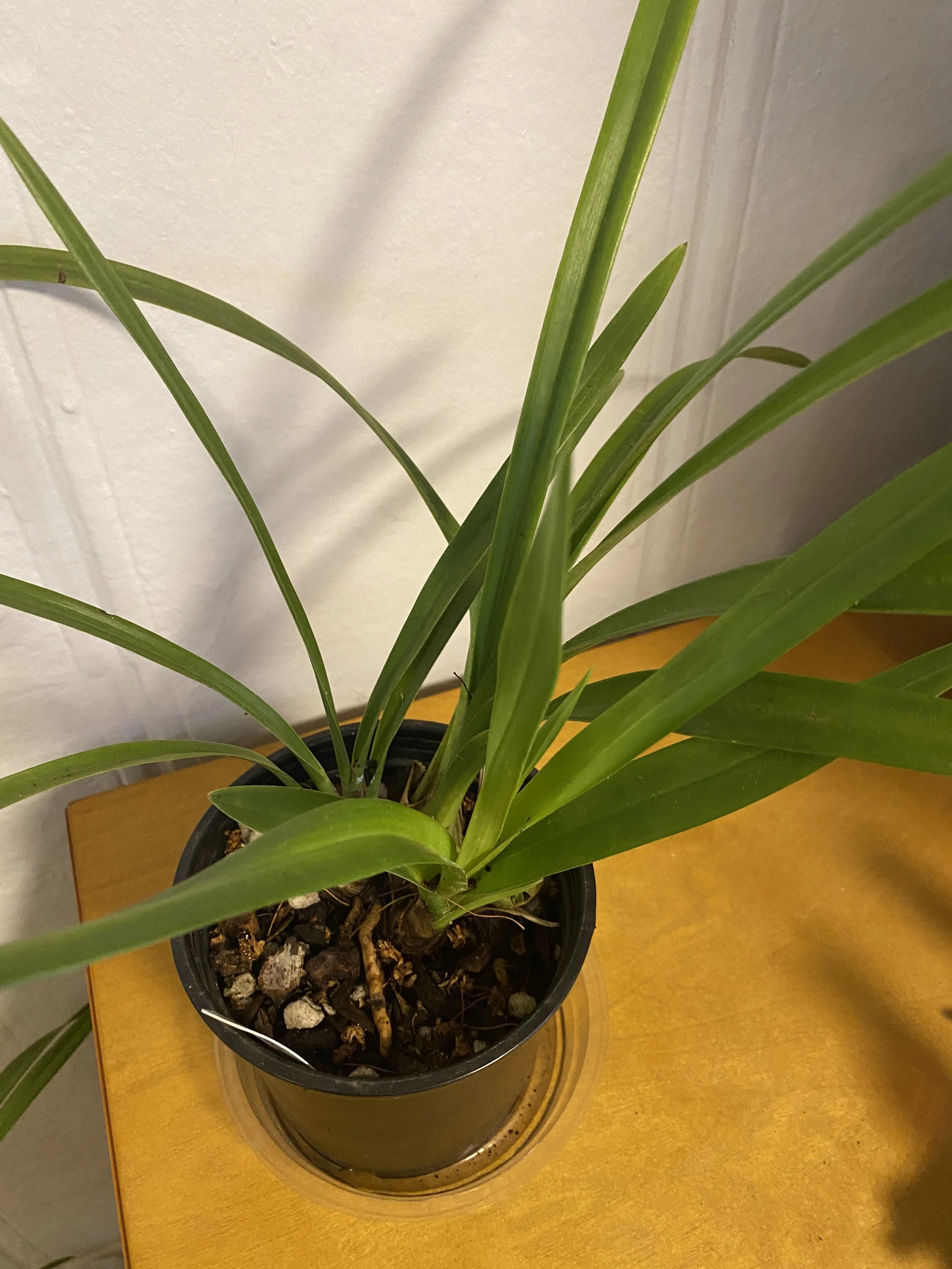 Image 4 of 4
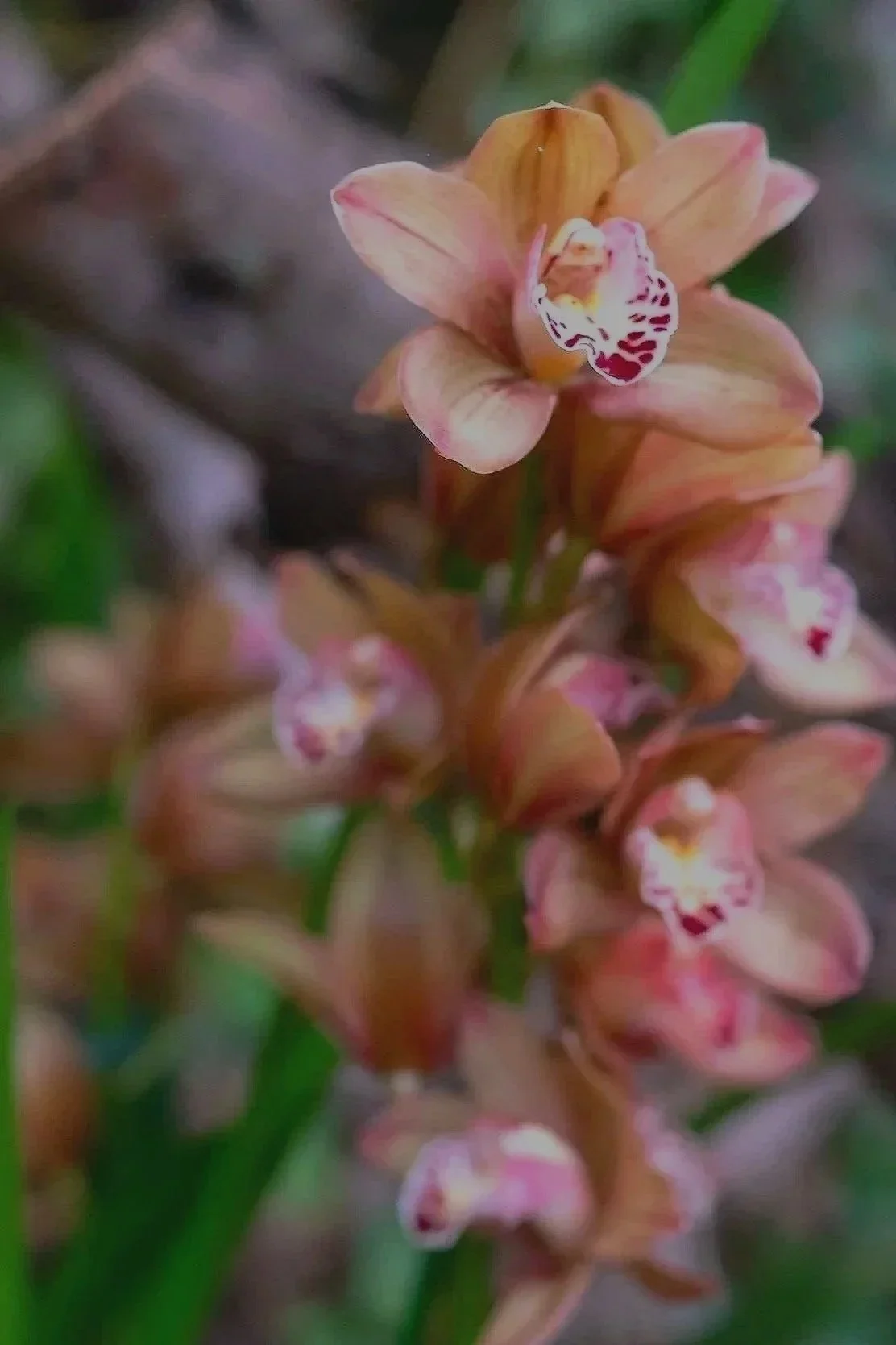
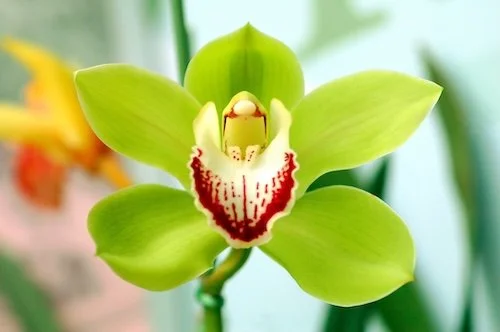
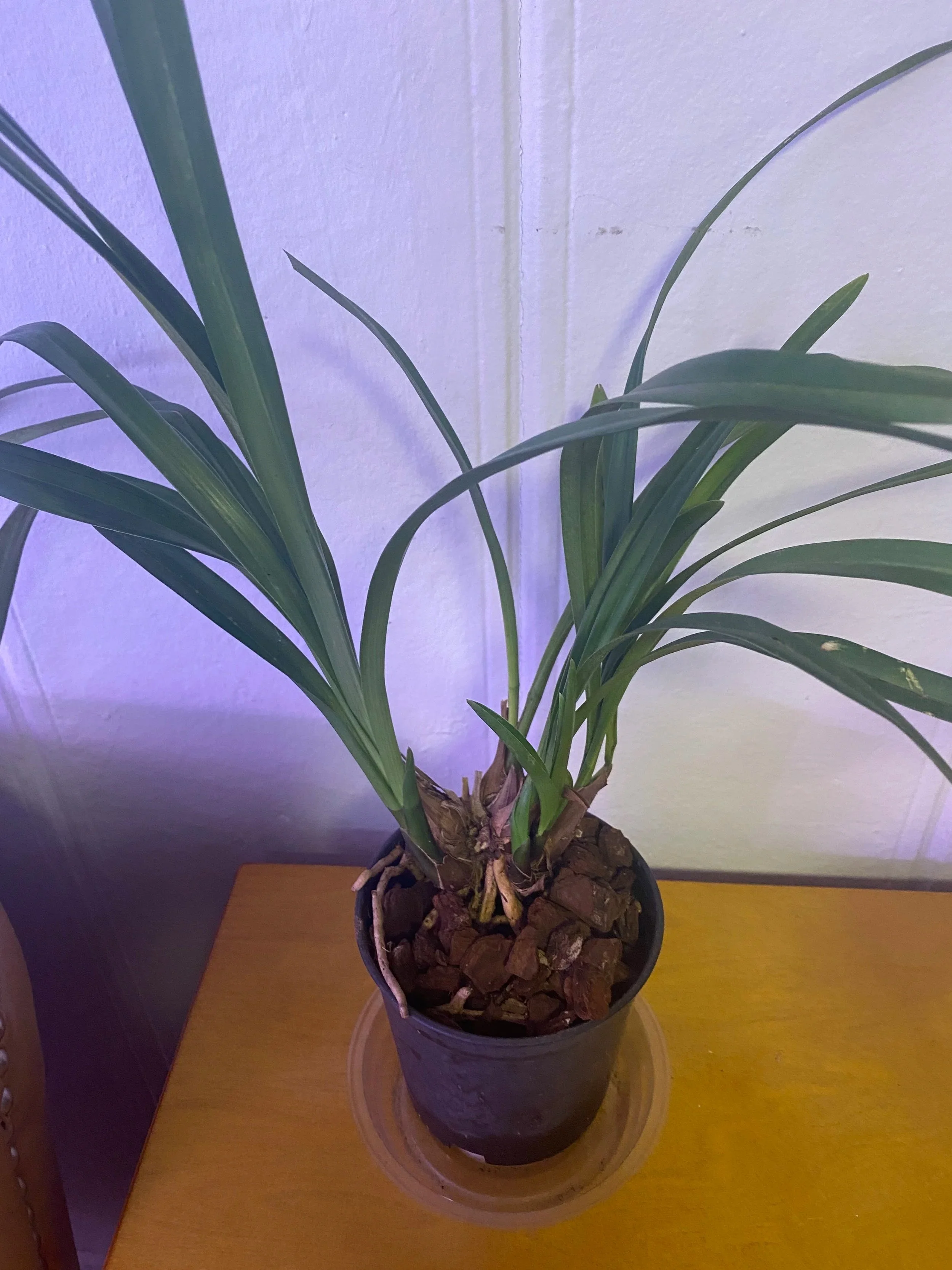
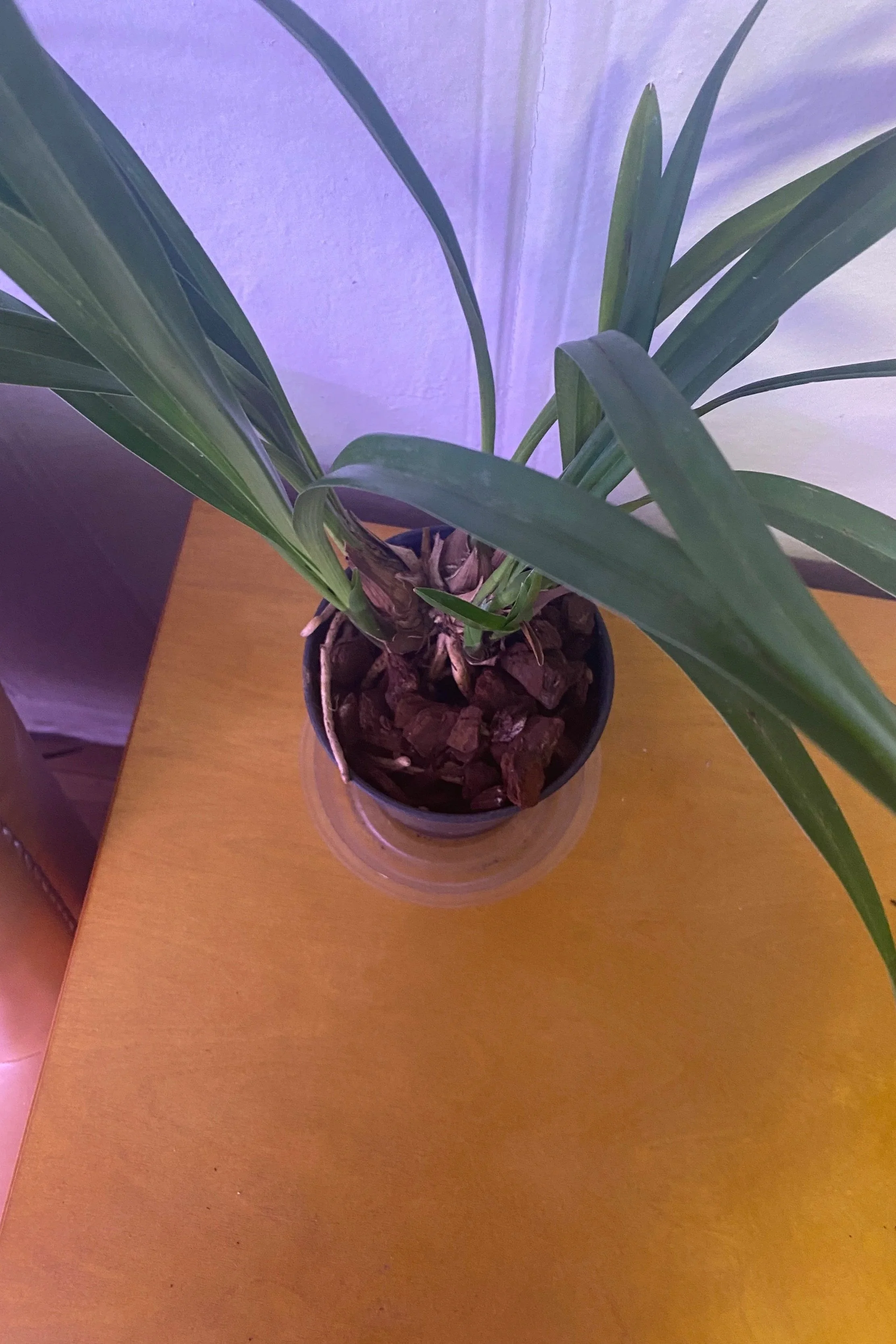
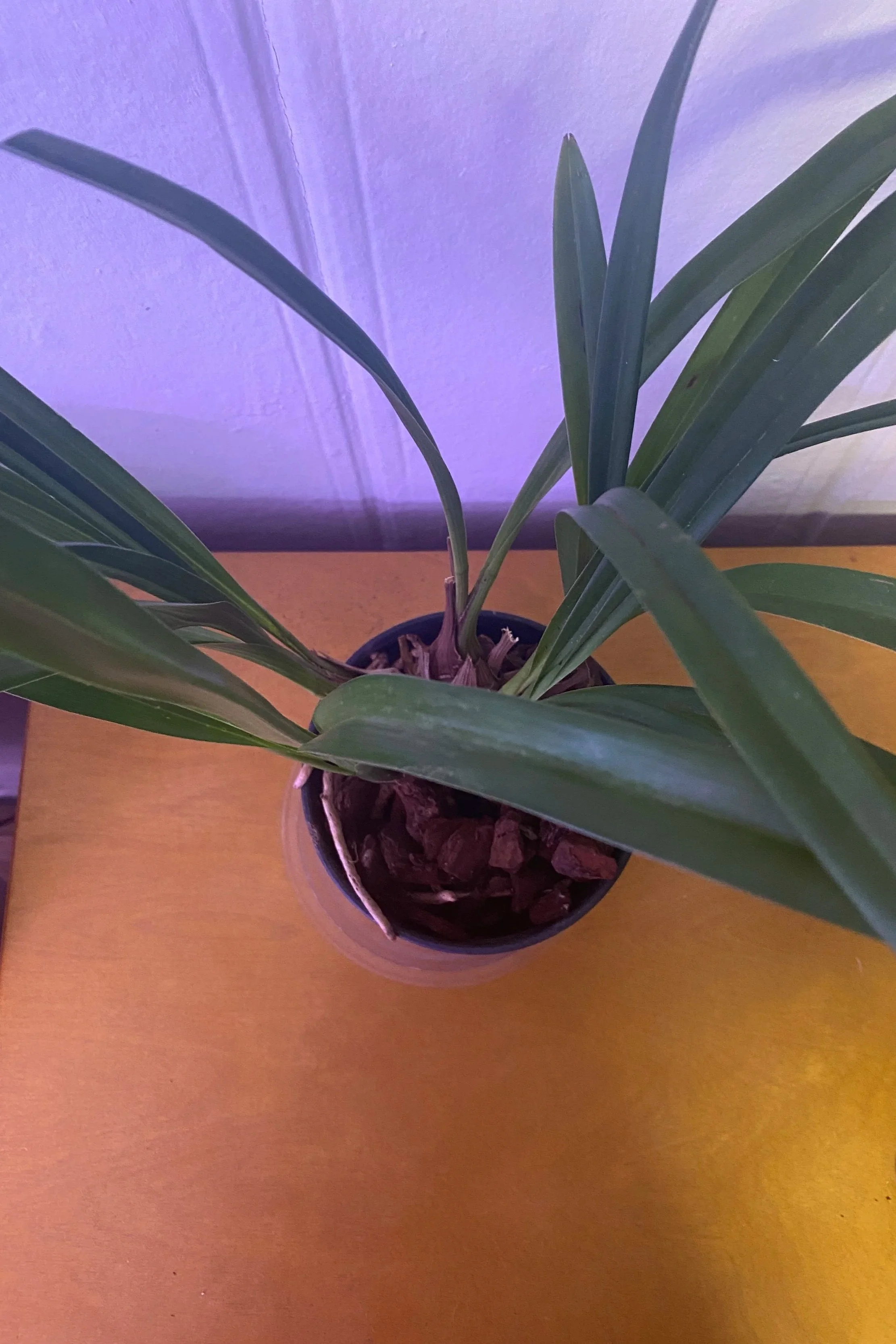
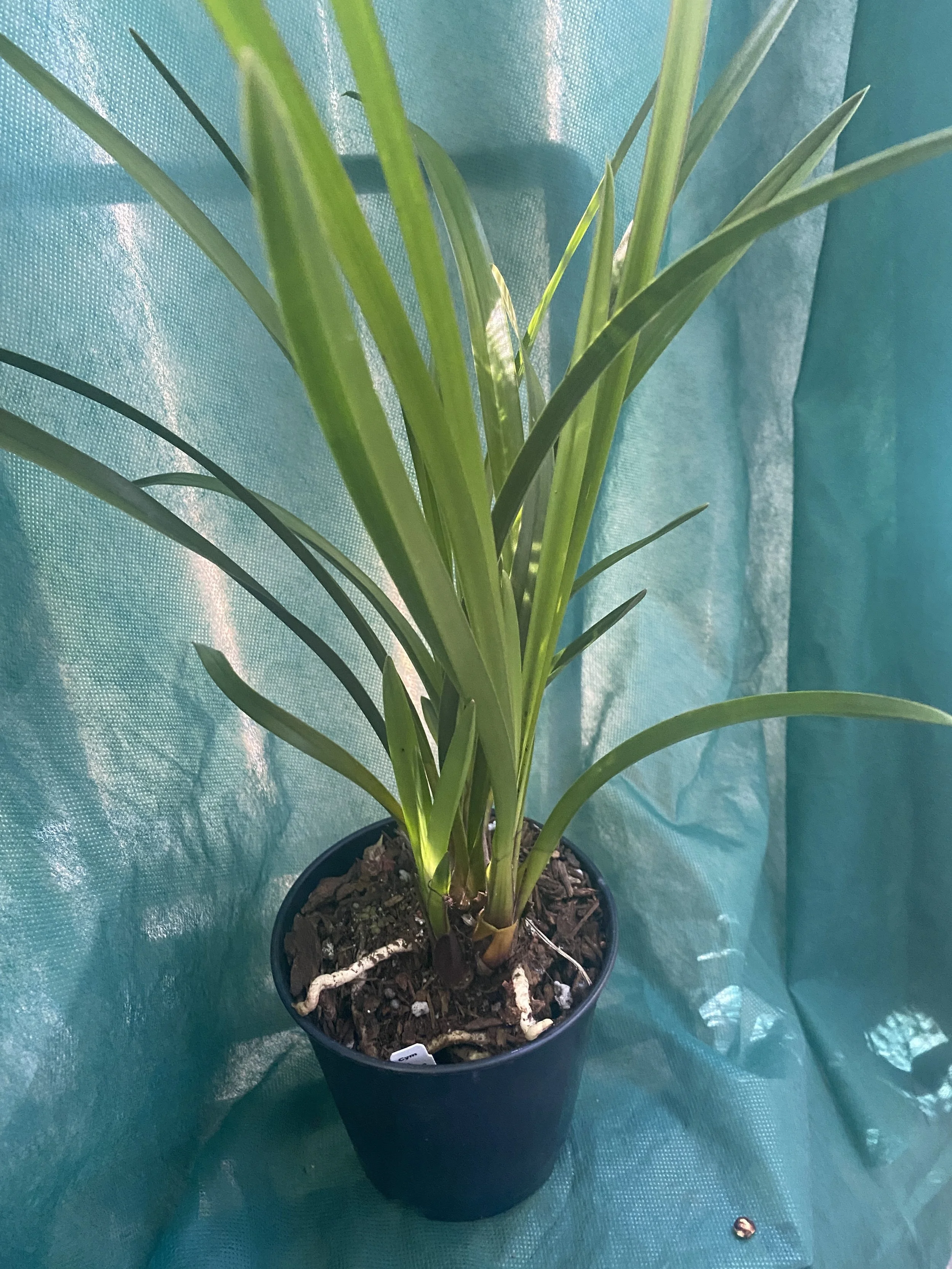
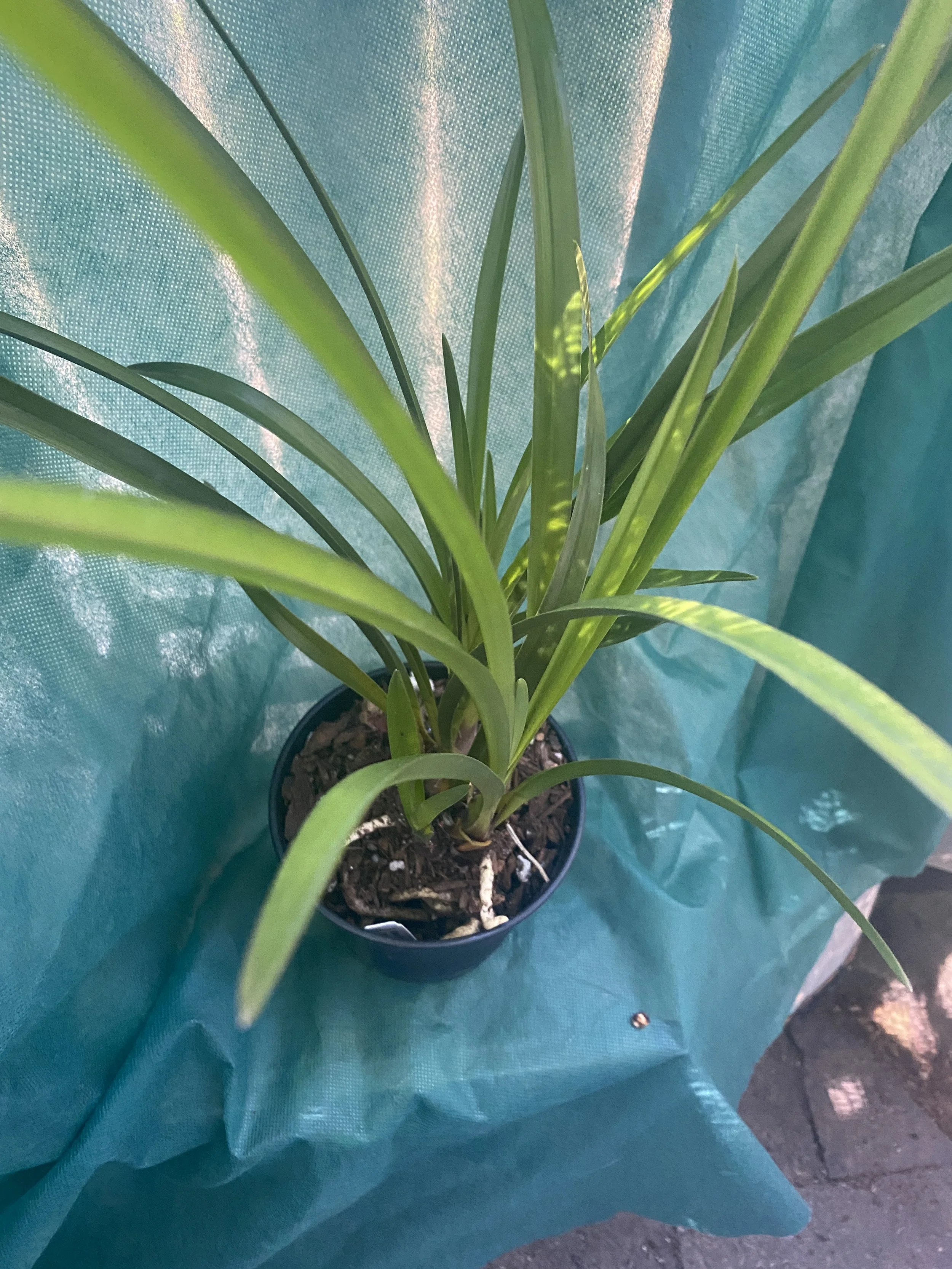
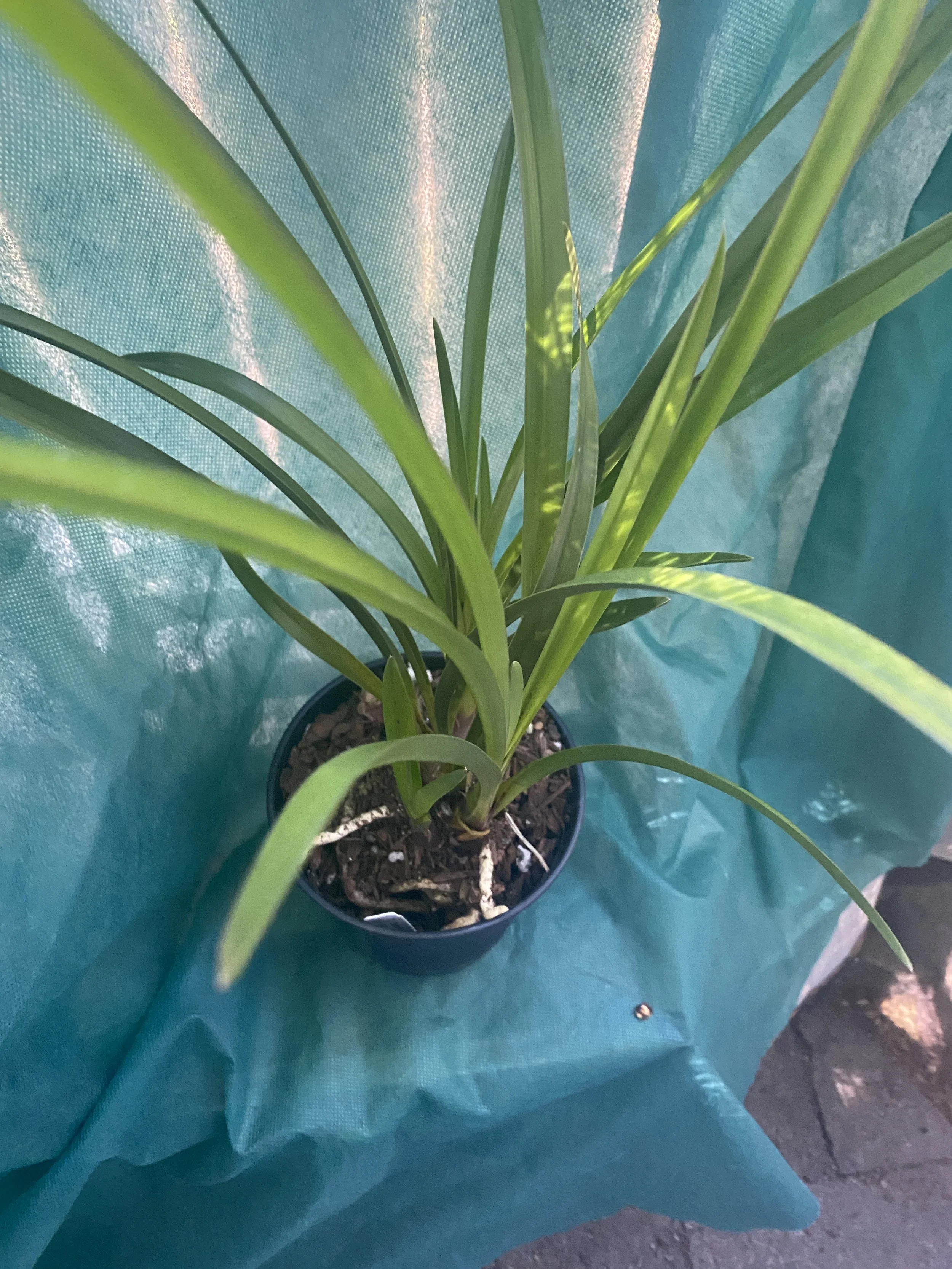
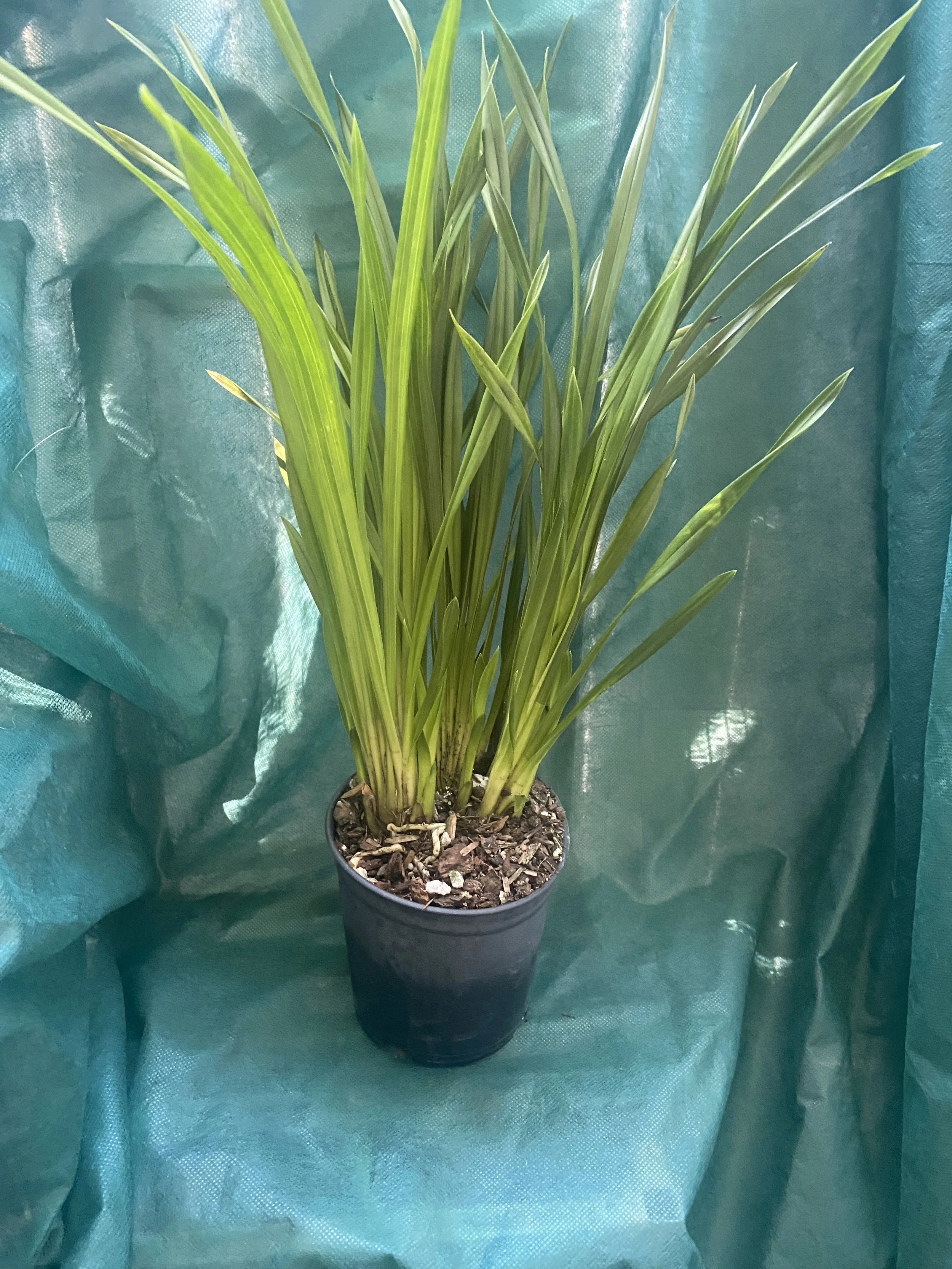
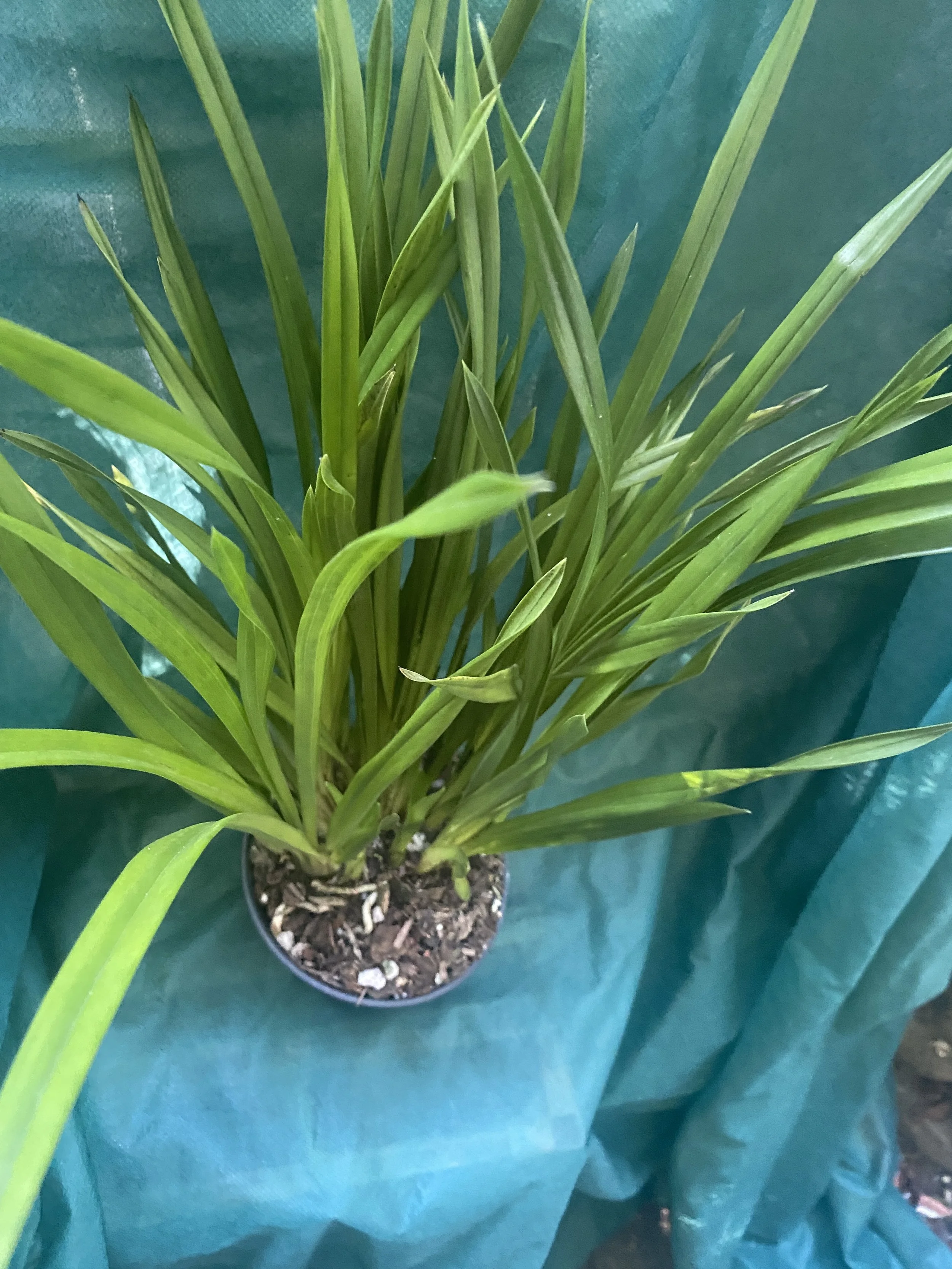
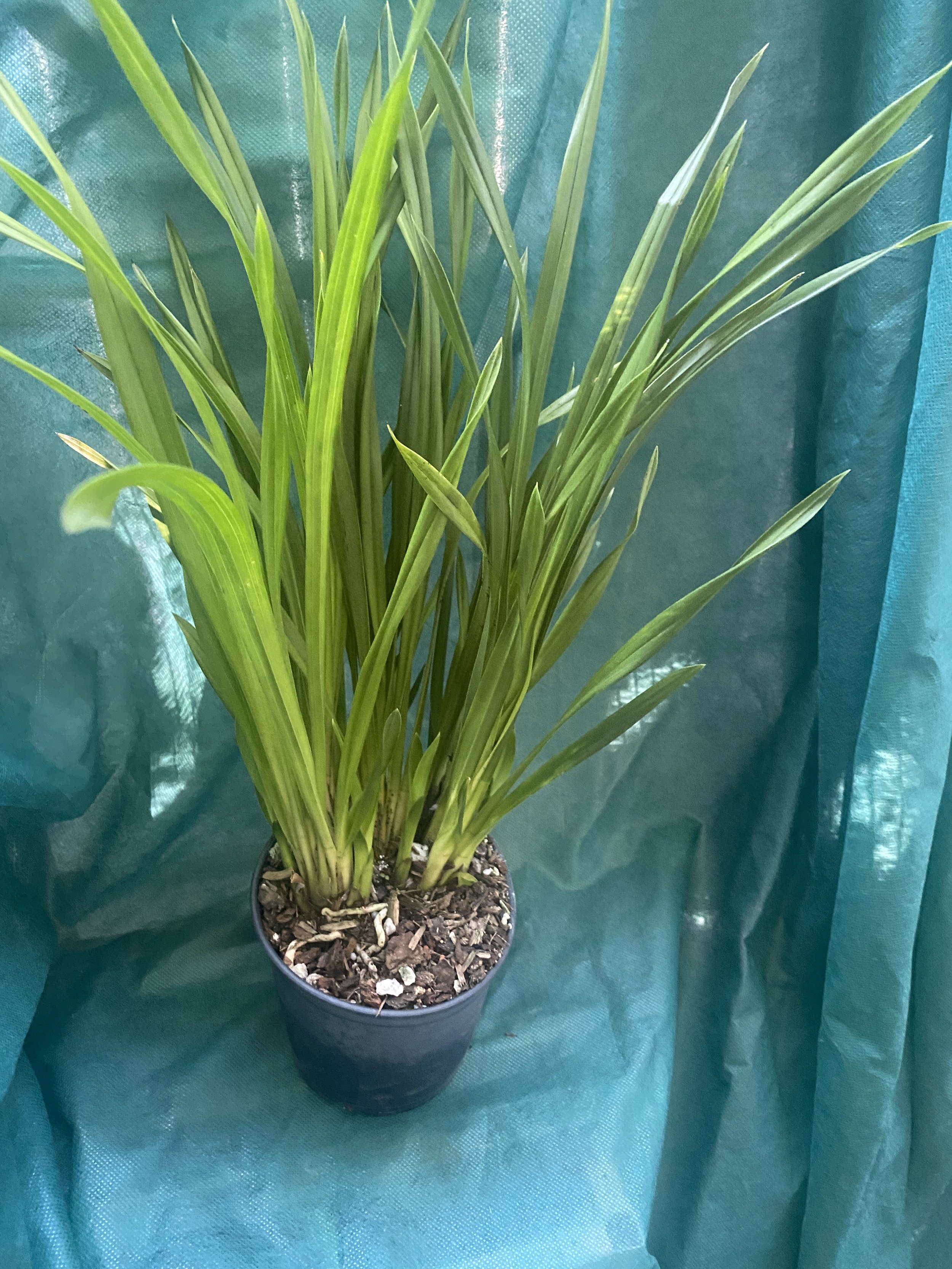
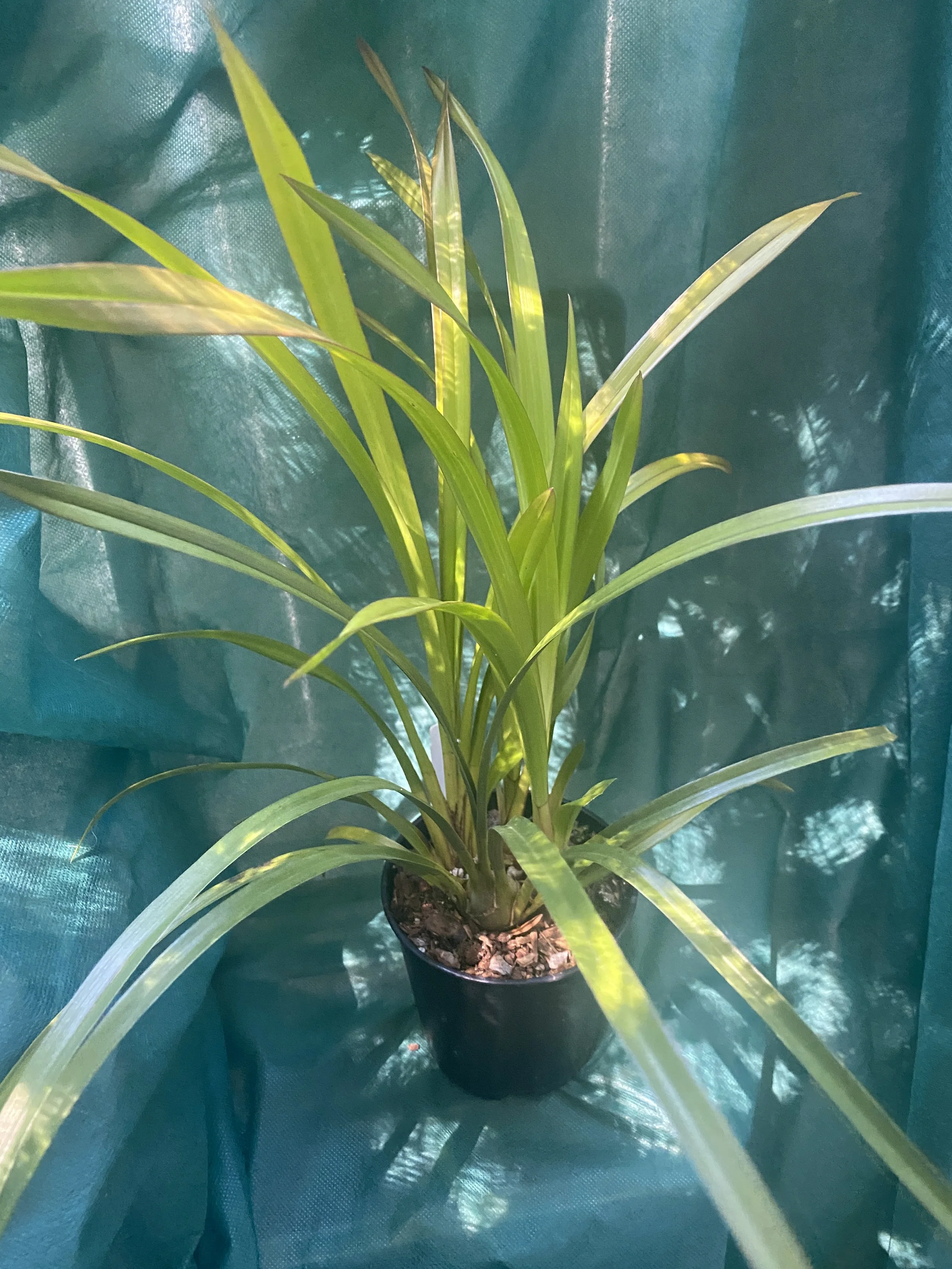
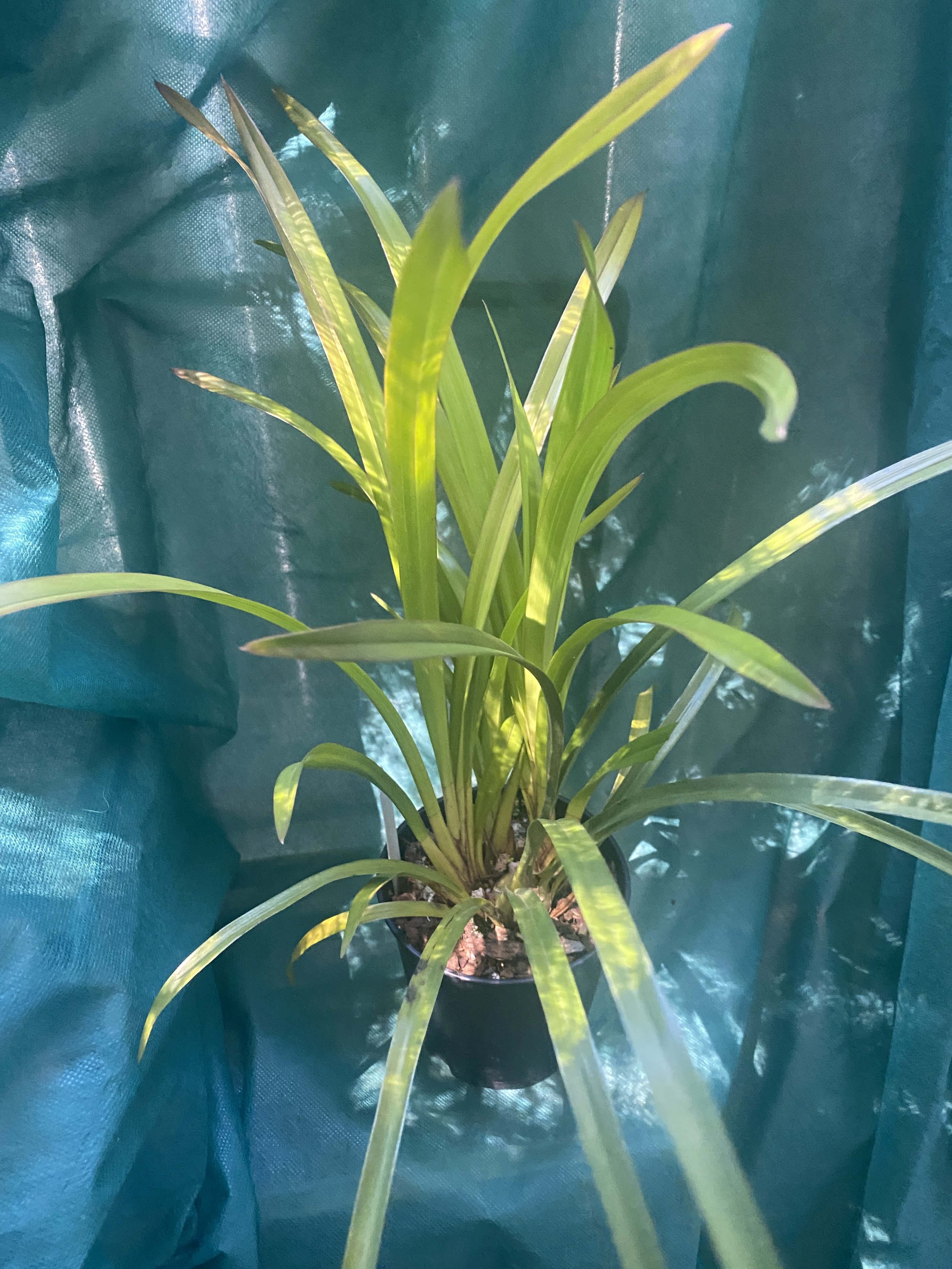
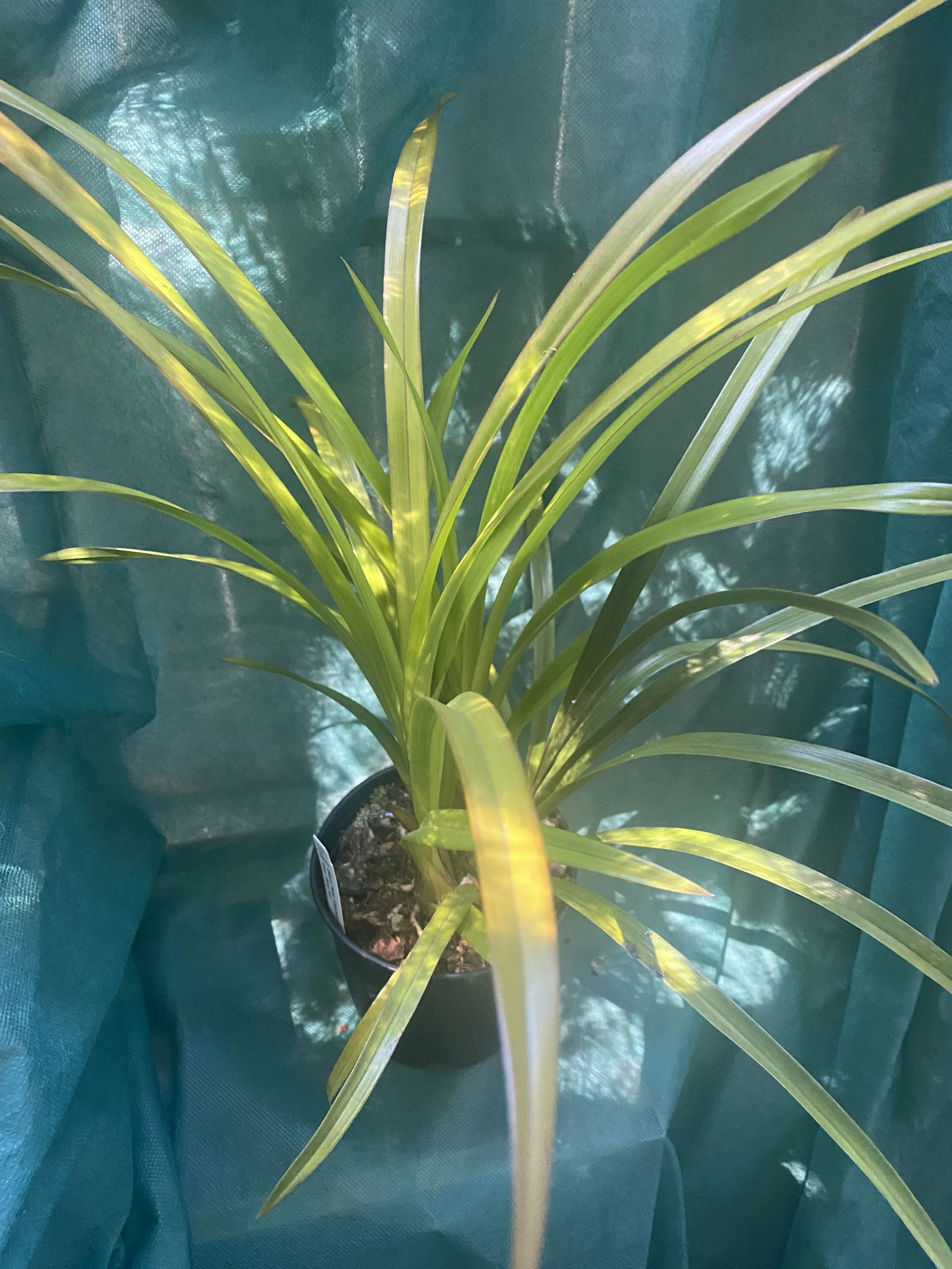
Cymbidium ‘Sweet Vanessa’ — 5 inch pot, 22 inches tall
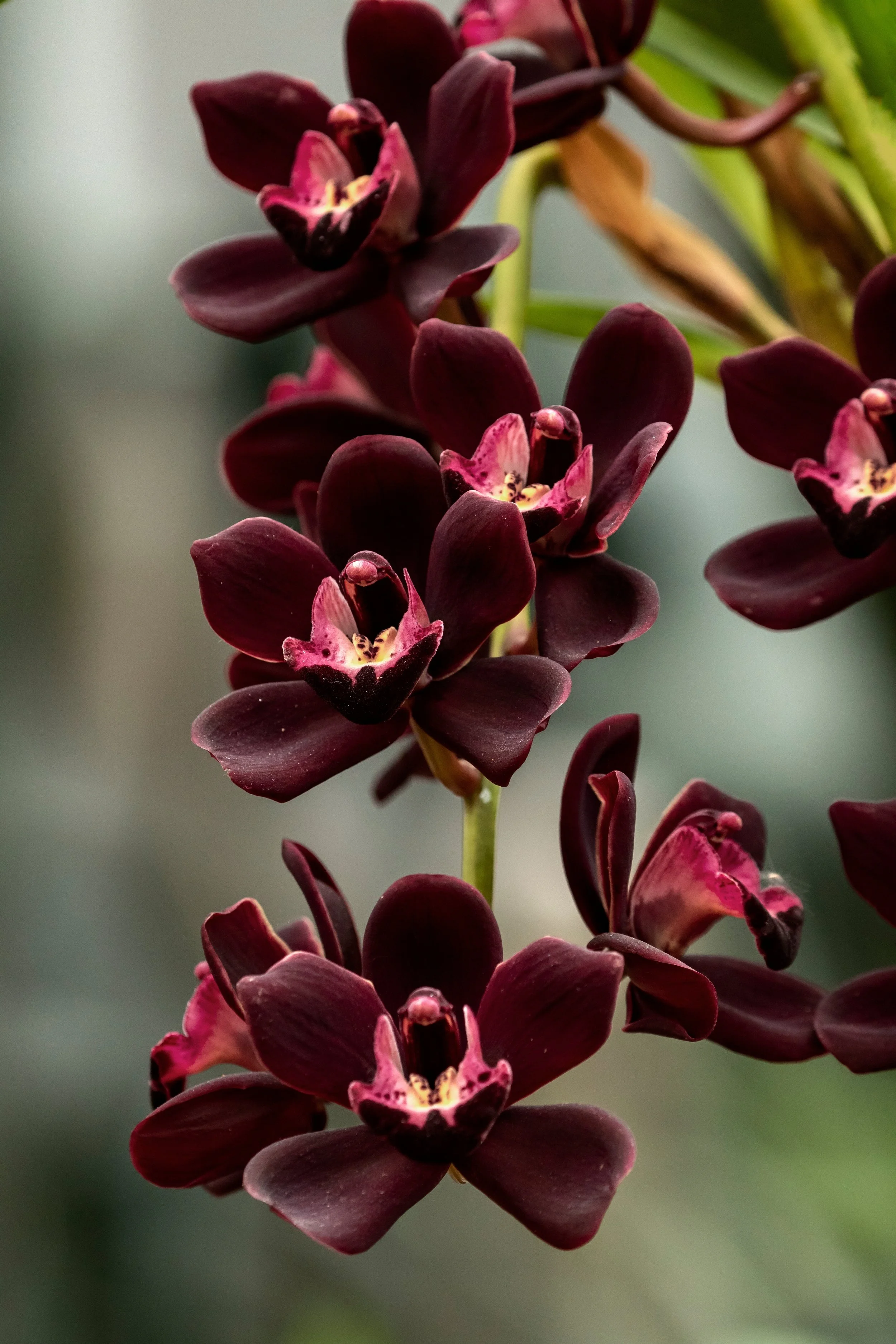
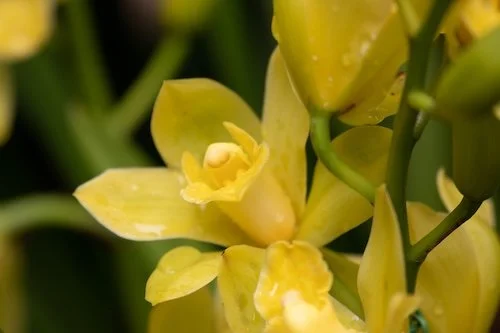
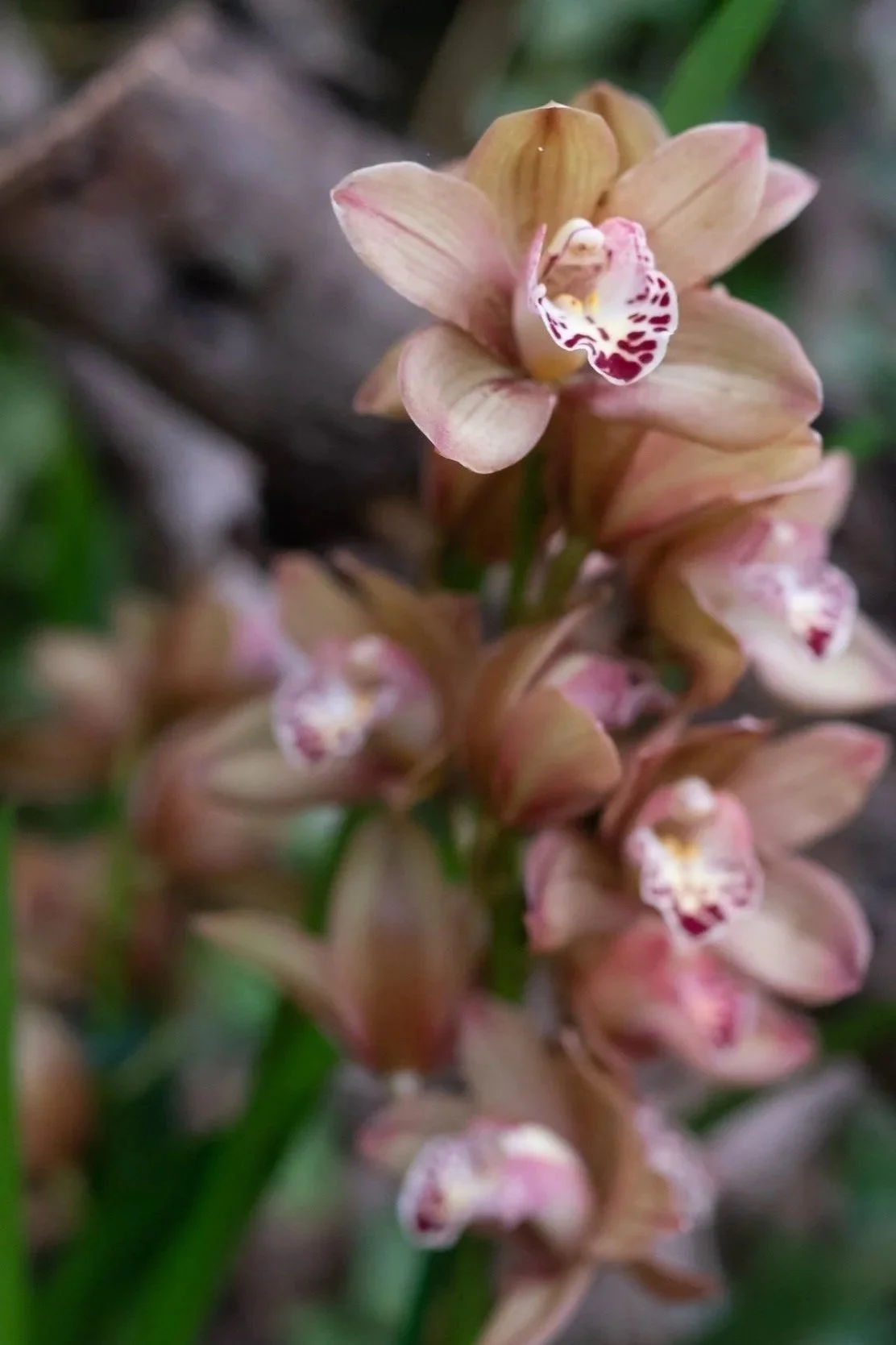
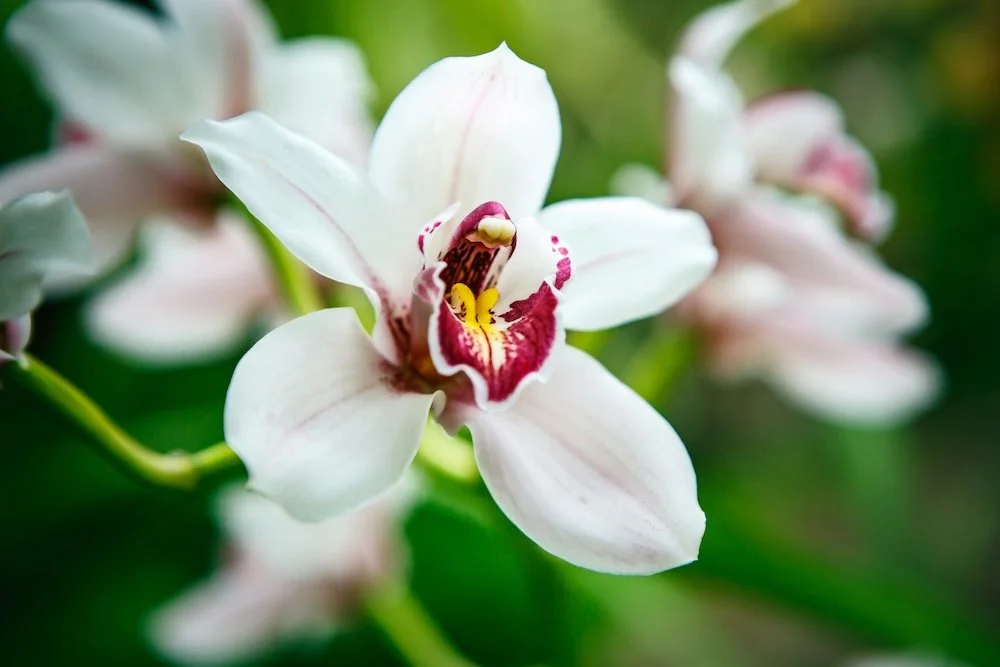
Cymbidium ‘Sweet Vanessa’ is an elegant, long-lasting flowering orchid prized for its graceful sprays of fragrant blooms and reliable performance. Flowers are typically medium to large, with soft pastel tones and a refined lip pattern that suits both classic and contemporary arrangements. This variety thrives with consistent seasonal cues and rewards attentive growers with multiple spikes per plant.
Light
Bright, filtered light is essential. Aim for morning sun and strong, indirect light the rest of the day.
Leaves should be a medium grassy green. Dark green indicates insufficient light; yellowish or bleached leaves indicate too much direct sun.
Temperature
Cymbidiums prefer cool to intermediate conditions.
Day: 65–75°F (18–24°C); Night: 50–55°F (10–13°C) to encourage spike initiation.
A nighttime drop of 10–15°F in autumn is beneficial for bud set.
Watering
Keep the potting mix evenly moist during active growth (spring–early autumn). Water thoroughly, allowing excess to drain.
Reduce frequency in winter when growth slows, but avoid letting pseudobulbs shrivel.
Use tepid, low-salt water; flush pots every few waterings to remove salts.
Humidity & Air Movement
Maintain 40–60% relative humidity. Increase humidity with trays or humidifiers if indoor air is dry.
Provide good air movement to reduce disease risk and help flowers last longer.
Fertilizer
Feed with a balanced orchid fertilizer (e.g., 20-20-20) at quarter to half strength every 1–2 weeks during active growth.
Switch to a high-phosphorus formula (bloom booster) or continue balanced feed with slightly reduced nitrogen in late summer to promote flowering.
Reduce or stop fertilizing during winter rest.
Potting Medium & Repotting
Use a well-draining medium such as chunky fir bark mixed with perlite and charcoal; some growers add a small amount of sphagnum for moisture retention.
Repot every 2–3 years after flowering when new growths and roots are established; best done in spring.
Choose a pot that accommodates pseudobulbs without excessive extra space; Cymbidiums appreciate being slightly pot-bound.
Flowering & Aftercare
Spike initiation is triggered by cooler nights in late summer to autumn. Maintain recommended temperature drop and stable care.
Remove spent spikes after flowering by cutting near the base once fully brown; leave healthy canes intact.
After flowering, continue regular watering and feeding to build reserves for the next season.
Pests & Problems
Watch for scale, mealybugs, slugs, and aphids. Treat early with appropriate insecticidal soap or horticultural oil.
Root rot results from poor drainage or overwatering—repot into fresh mix and trim diseased roots.
Flower blast can occur from sudden temperature or humidity changes; protect spikes from extremes.
Cymbidium ‘Sweet Vanessa’ — 5 inch pot, 22 inches tall
Cymbidium ‘Sweet Vanessa’ is an elegant, long-lasting flowering orchid prized for its graceful sprays of fragrant blooms and reliable performance. Flowers are typically medium to large, with soft pastel tones and a refined lip pattern that suits both classic and contemporary arrangements. This variety thrives with consistent seasonal cues and rewards attentive growers with multiple spikes per plant.
Light
Bright, filtered light is essential. Aim for morning sun and strong, indirect light the rest of the day.
Leaves should be a medium grassy green. Dark green indicates insufficient light; yellowish or bleached leaves indicate too much direct sun.
Temperature
Cymbidiums prefer cool to intermediate conditions.
Day: 65–75°F (18–24°C); Night: 50–55°F (10–13°C) to encourage spike initiation.
A nighttime drop of 10–15°F in autumn is beneficial for bud set.
Watering
Keep the potting mix evenly moist during active growth (spring–early autumn). Water thoroughly, allowing excess to drain.
Reduce frequency in winter when growth slows, but avoid letting pseudobulbs shrivel.
Use tepid, low-salt water; flush pots every few waterings to remove salts.
Humidity & Air Movement
Maintain 40–60% relative humidity. Increase humidity with trays or humidifiers if indoor air is dry.
Provide good air movement to reduce disease risk and help flowers last longer.
Fertilizer
Feed with a balanced orchid fertilizer (e.g., 20-20-20) at quarter to half strength every 1–2 weeks during active growth.
Switch to a high-phosphorus formula (bloom booster) or continue balanced feed with slightly reduced nitrogen in late summer to promote flowering.
Reduce or stop fertilizing during winter rest.
Potting Medium & Repotting
Use a well-draining medium such as chunky fir bark mixed with perlite and charcoal; some growers add a small amount of sphagnum for moisture retention.
Repot every 2–3 years after flowering when new growths and roots are established; best done in spring.
Choose a pot that accommodates pseudobulbs without excessive extra space; Cymbidiums appreciate being slightly pot-bound.
Flowering & Aftercare
Spike initiation is triggered by cooler nights in late summer to autumn. Maintain recommended temperature drop and stable care.
Remove spent spikes after flowering by cutting near the base once fully brown; leave healthy canes intact.
After flowering, continue regular watering and feeding to build reserves for the next season.
Pests & Problems
Watch for scale, mealybugs, slugs, and aphids. Treat early with appropriate insecticidal soap or horticultural oil.
Root rot results from poor drainage or overwatering—repot into fresh mix and trim diseased roots.
Flower blast can occur from sudden temperature or humidity changes; protect spikes from extremes.