 Image 1 of 4
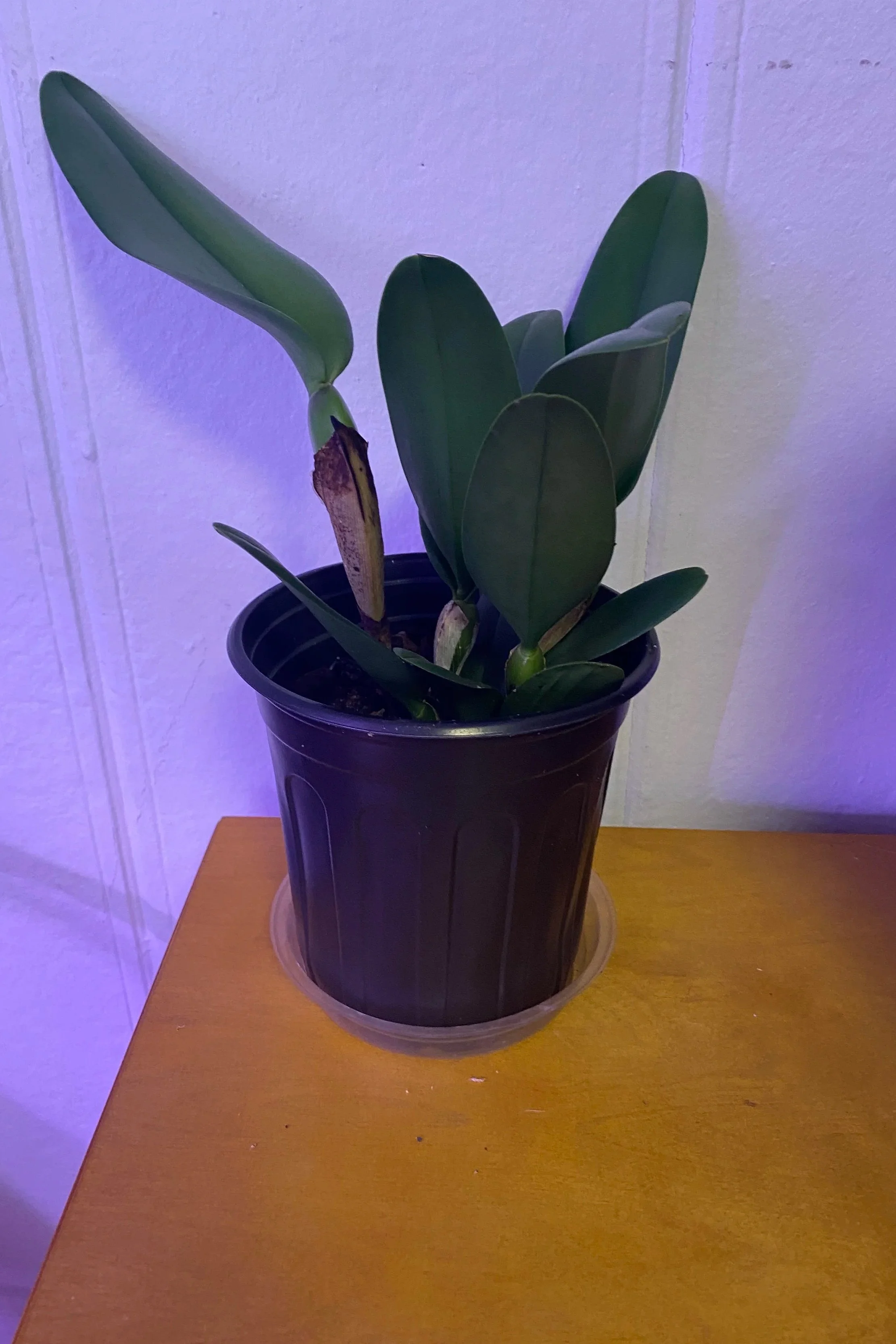 Image 2 of 4
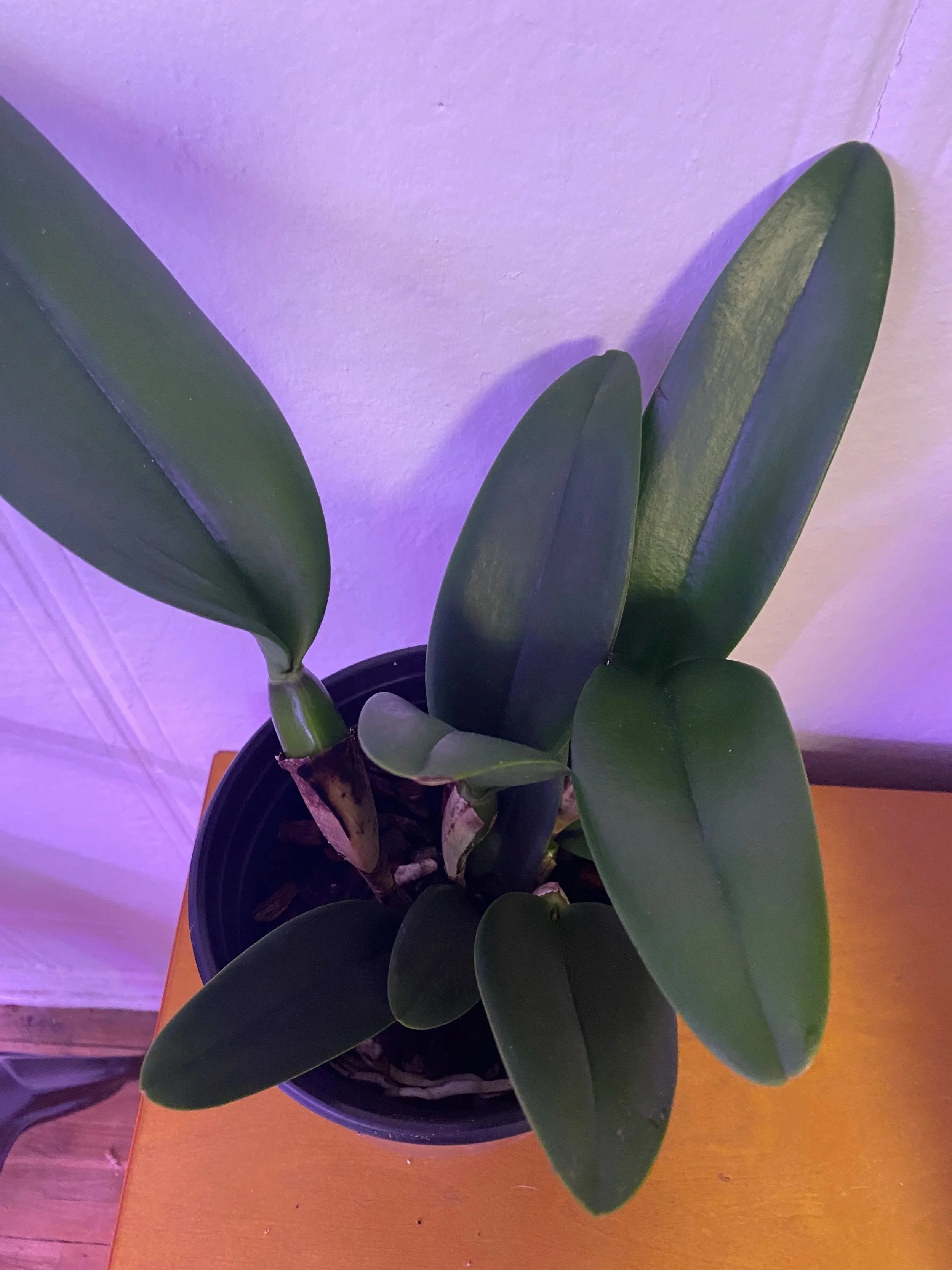 Image 3 of 4
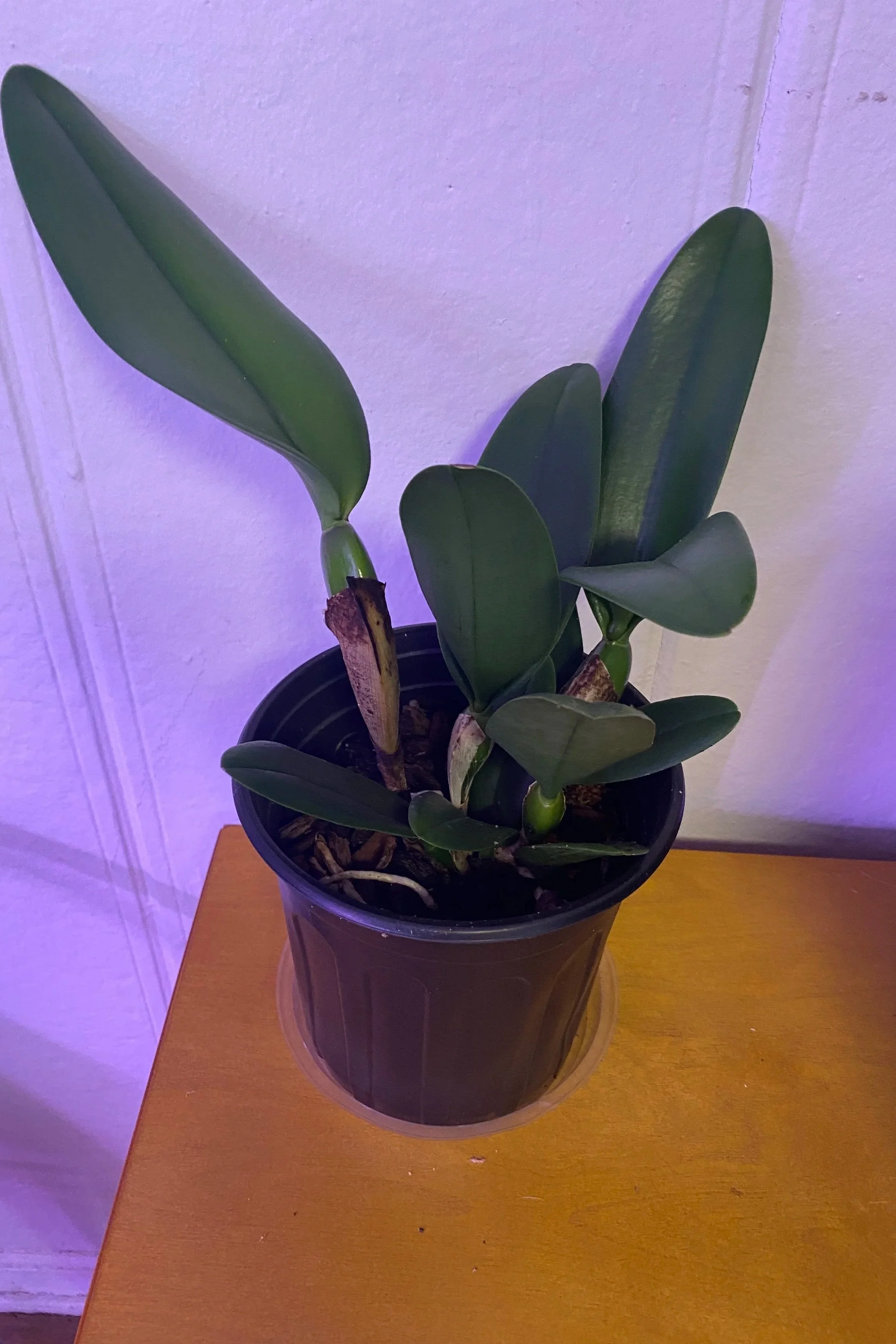 Image 4 of 4
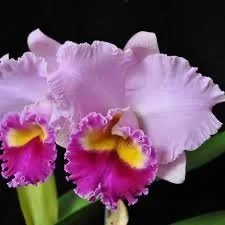
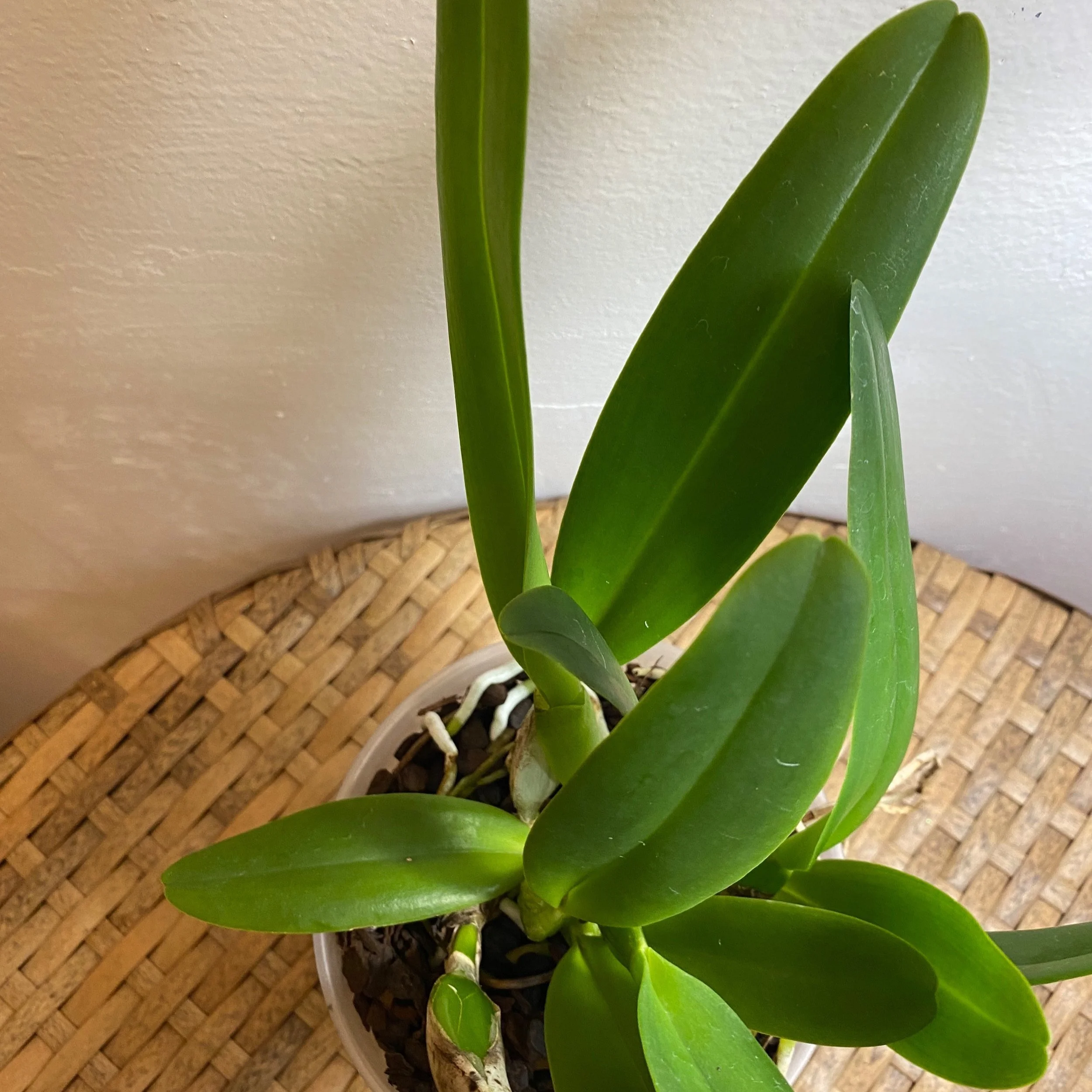
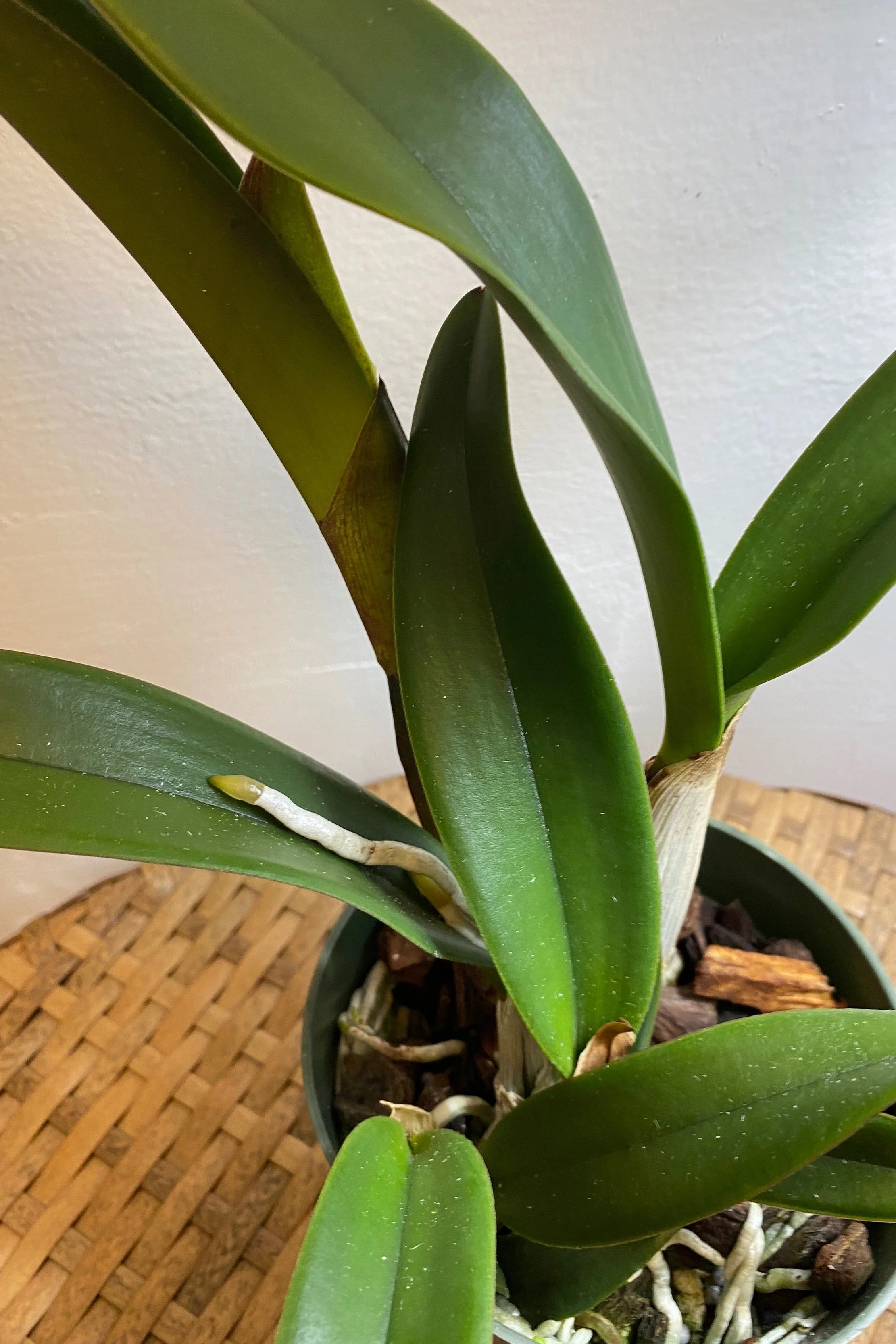
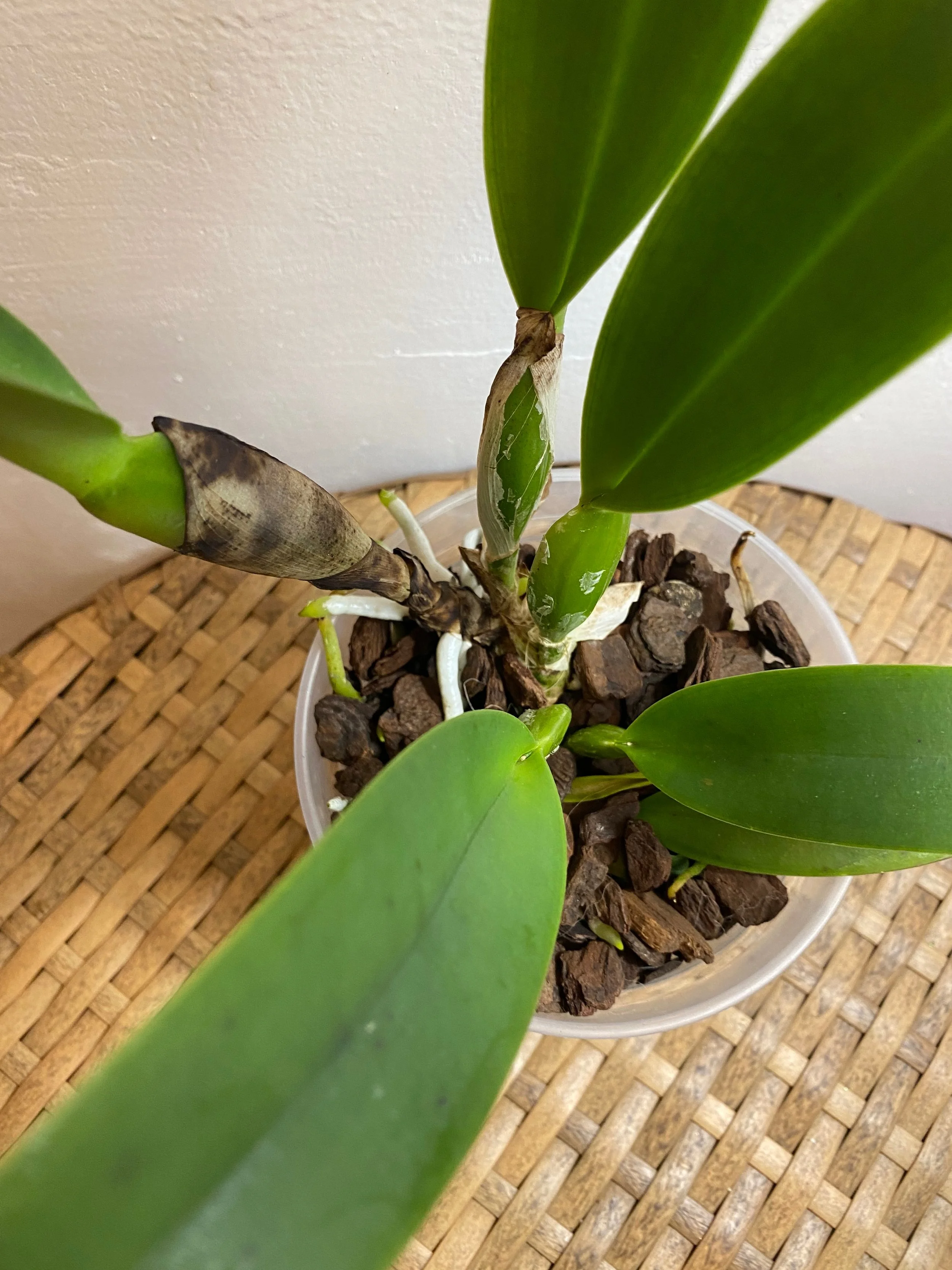
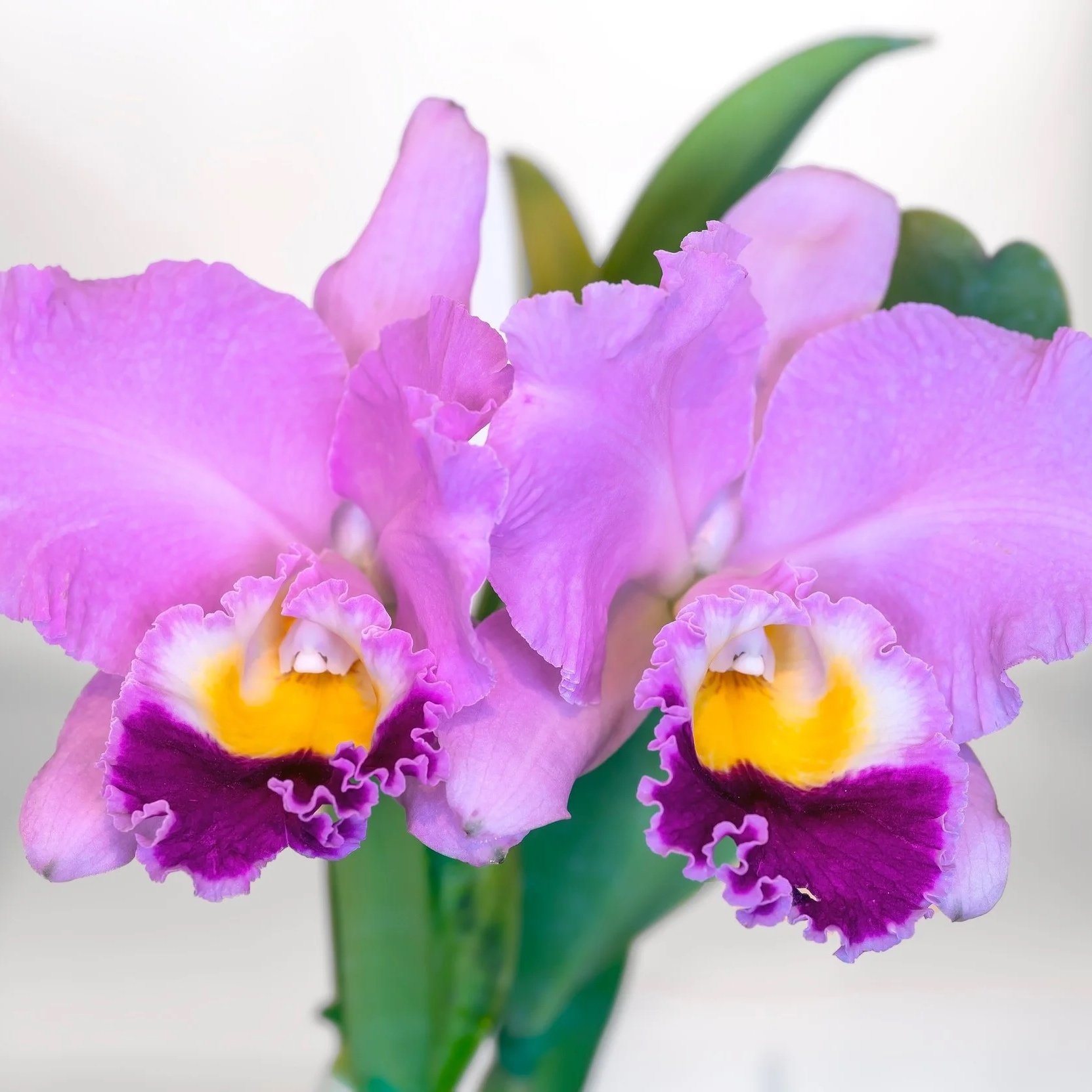
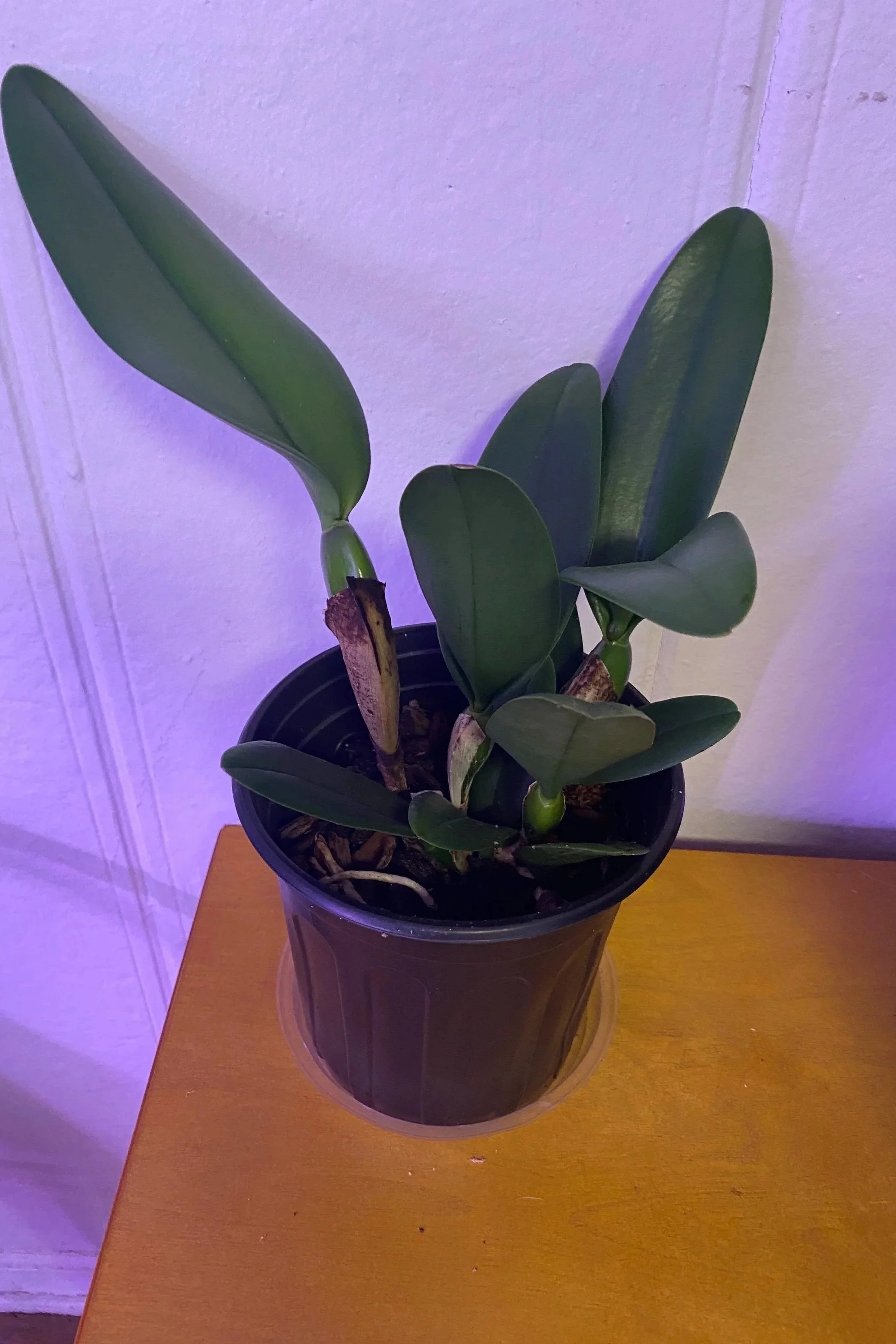
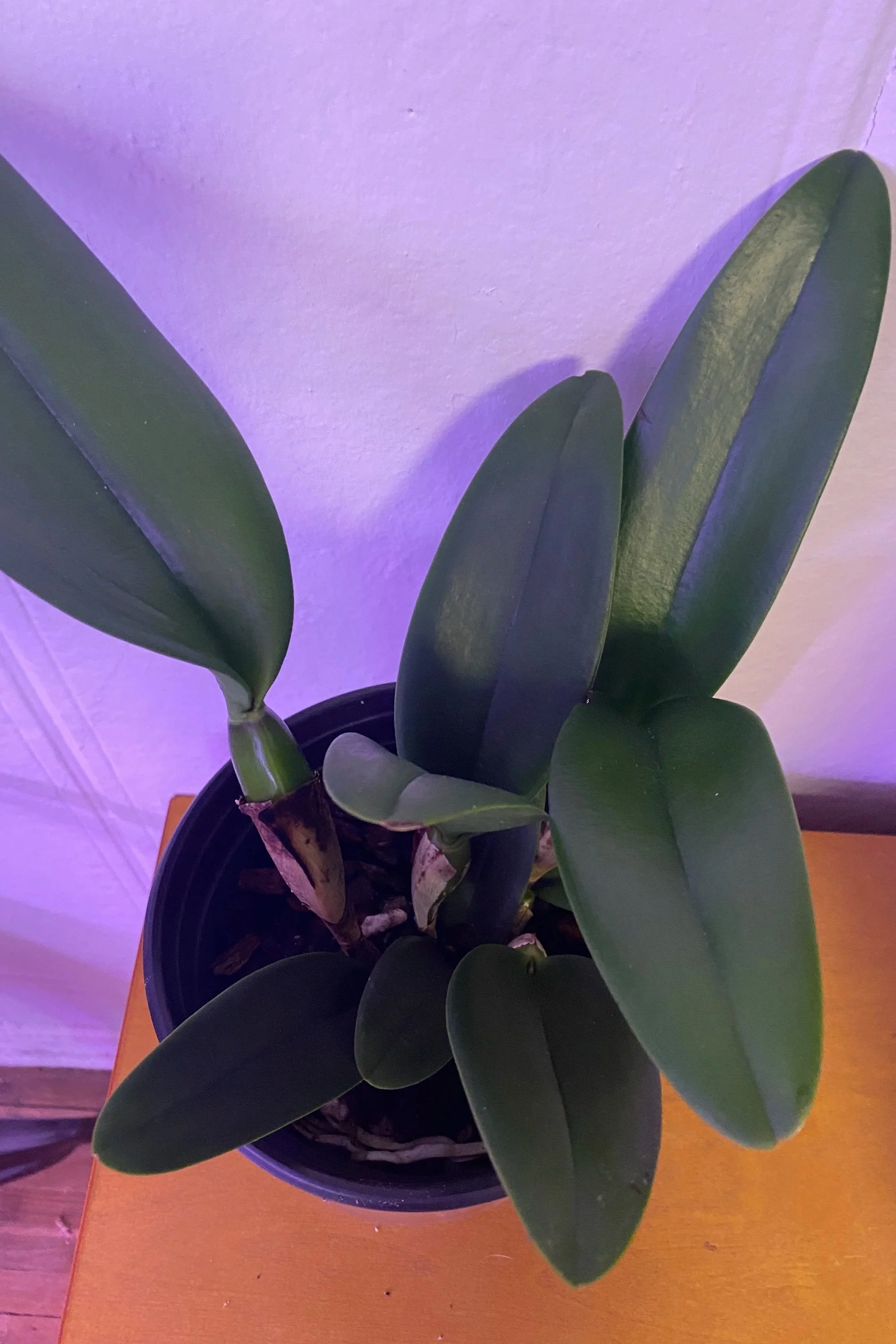
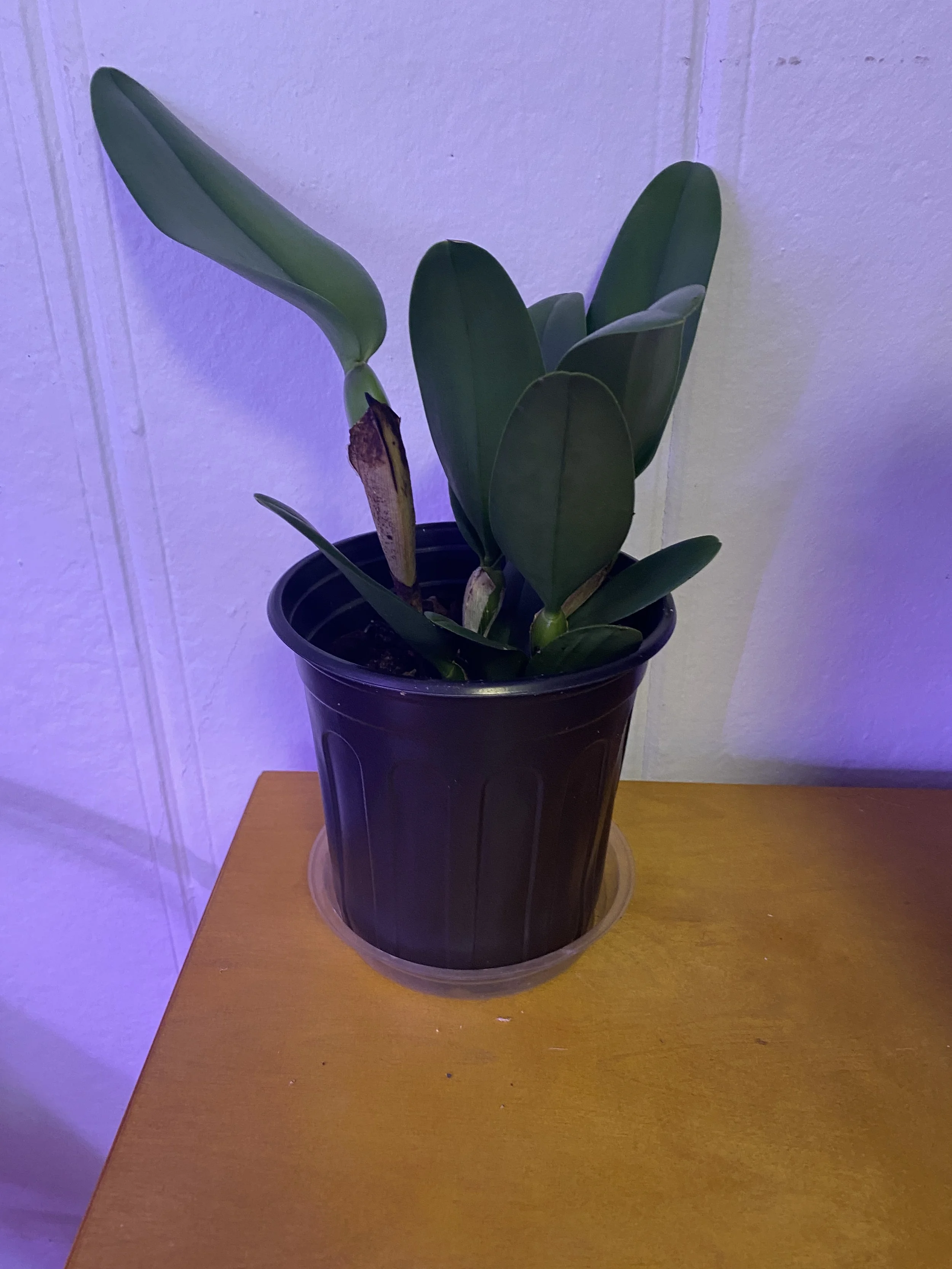
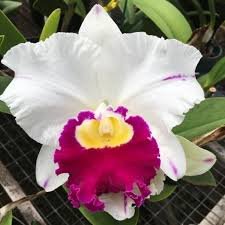
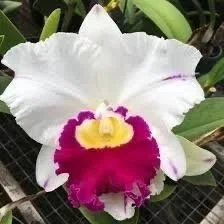
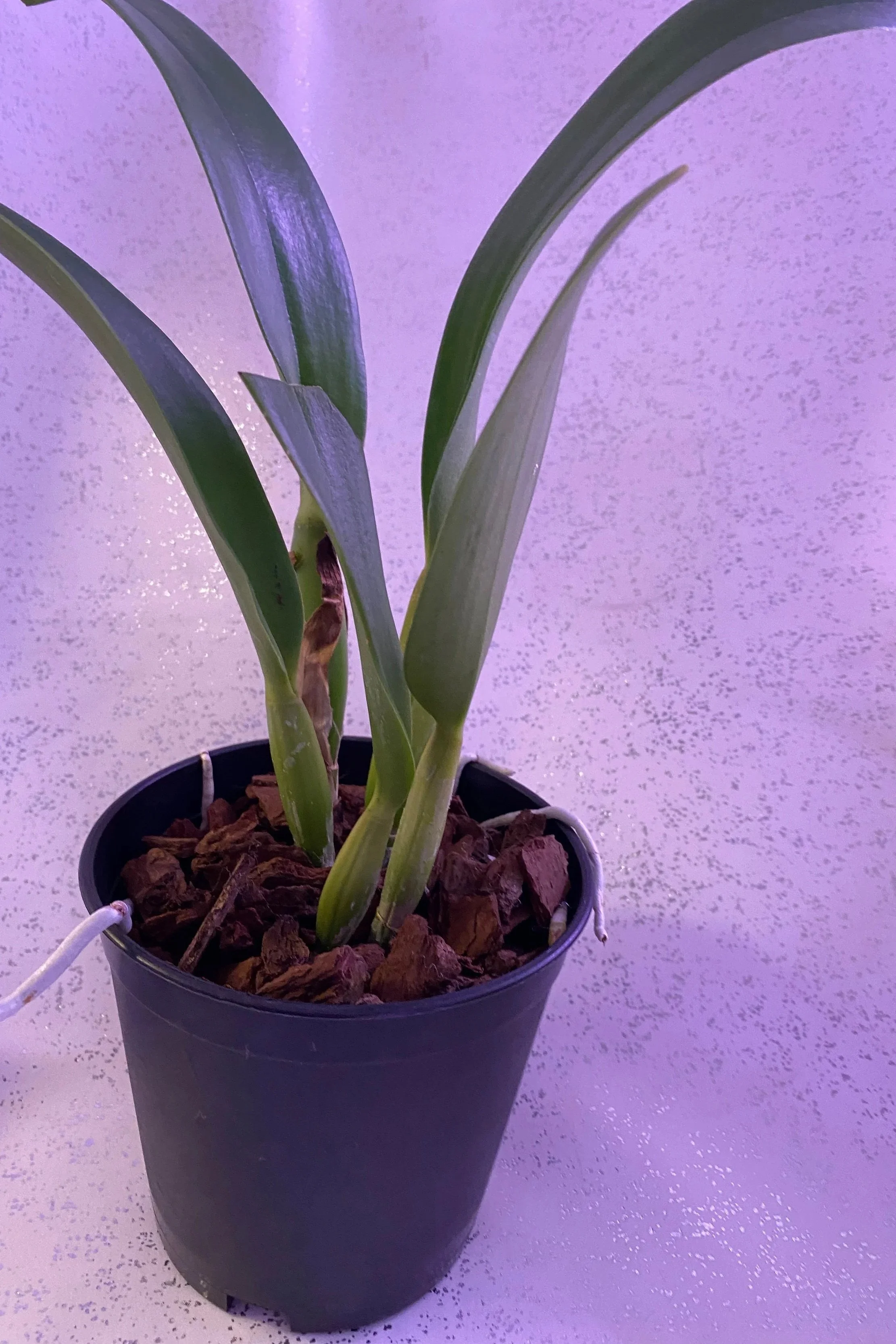
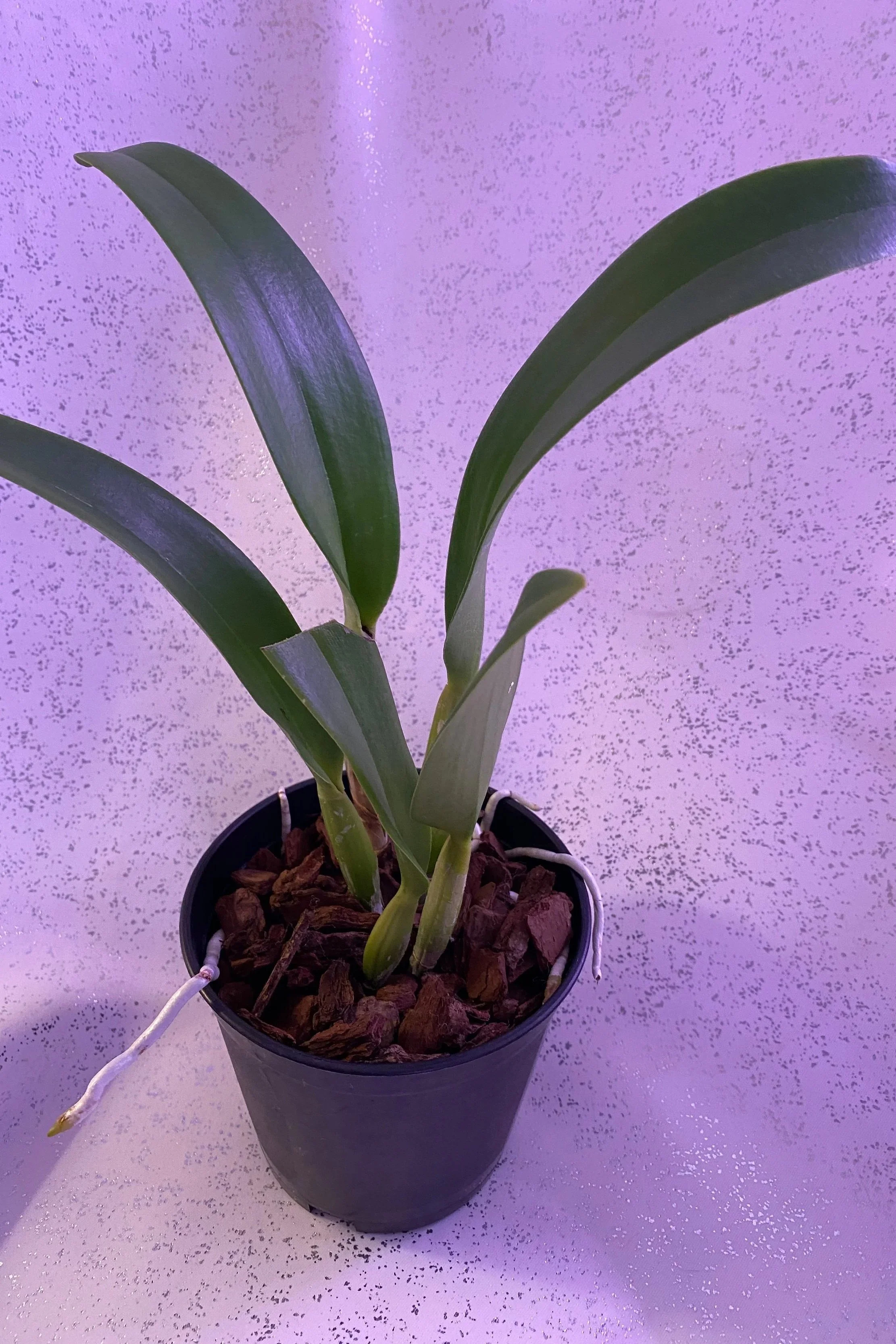
Caring for Rlc. Thelma Ayako Tsukamoto 'Volcano Queen'
Light
Bright, filtered light is ideal. Provide strong morning or late-afternoon sun; avoid hot midday sun that can scorch leaves. East- or west-facing windows with sheer curtains work well. Outdoors, place in dappled shade (50–70% light).
Temperature
Day: 75–85°F (24–29°C). Night: 60–65°F (15–18°C). This hybrid tolerates warm conditions but benefits from a 10–15°F drop at night to encourage spikes and better flowering.
Humidity & Airflow
Maintain 50–70% humidity. Use a humidity tray or humidifier if your home is dry. Ensure good air movement with a gentle fan to prevent fungal and bacterial issues.
Watering
Water thoroughly when the potting mix begins to dry but roots still have some moisture—typically once weekly in warm months, less often in cooler months. Do not let the plant sit in water; ensure excellent drainage. Water early in the day so foliage dries before night.
Potting Medium & Potting
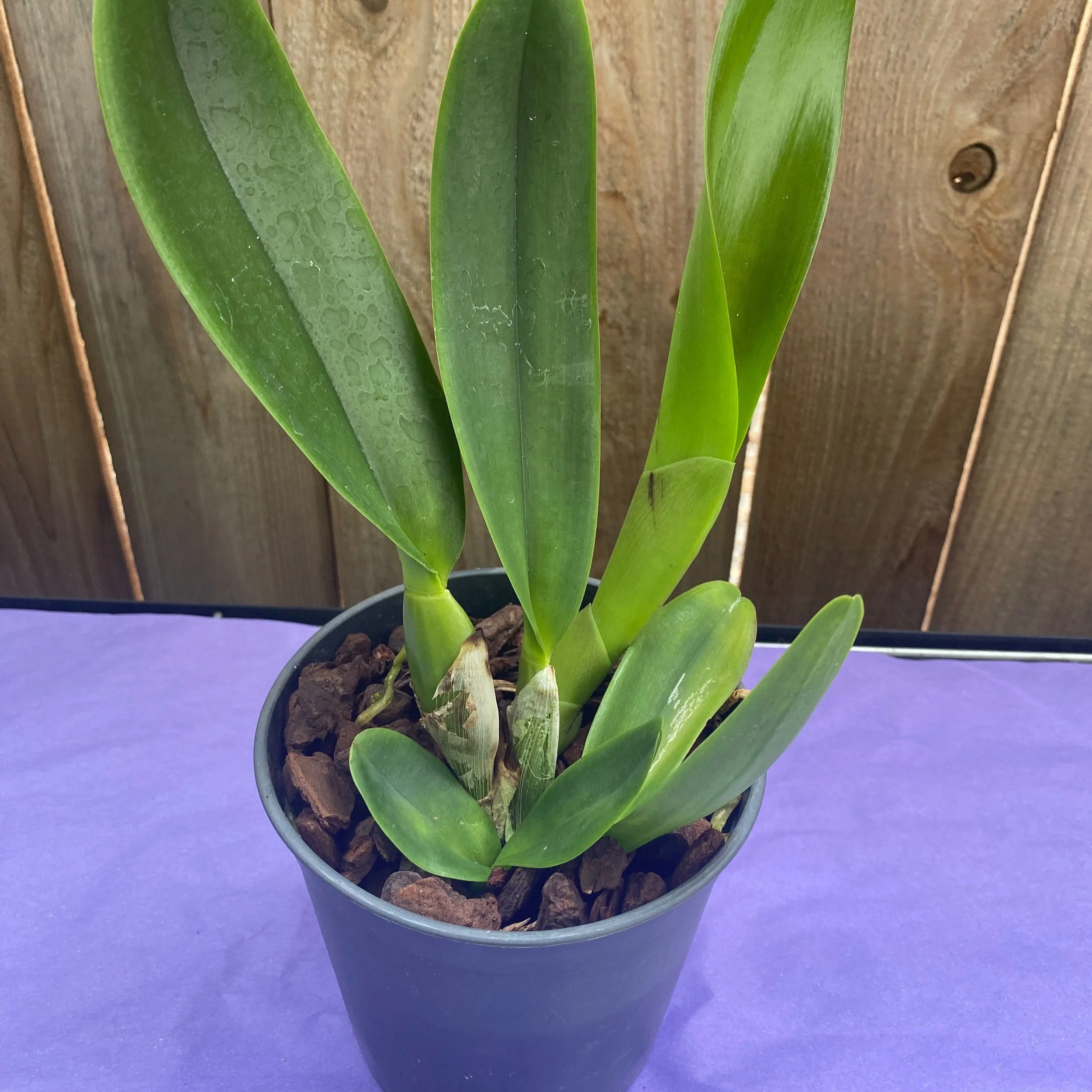
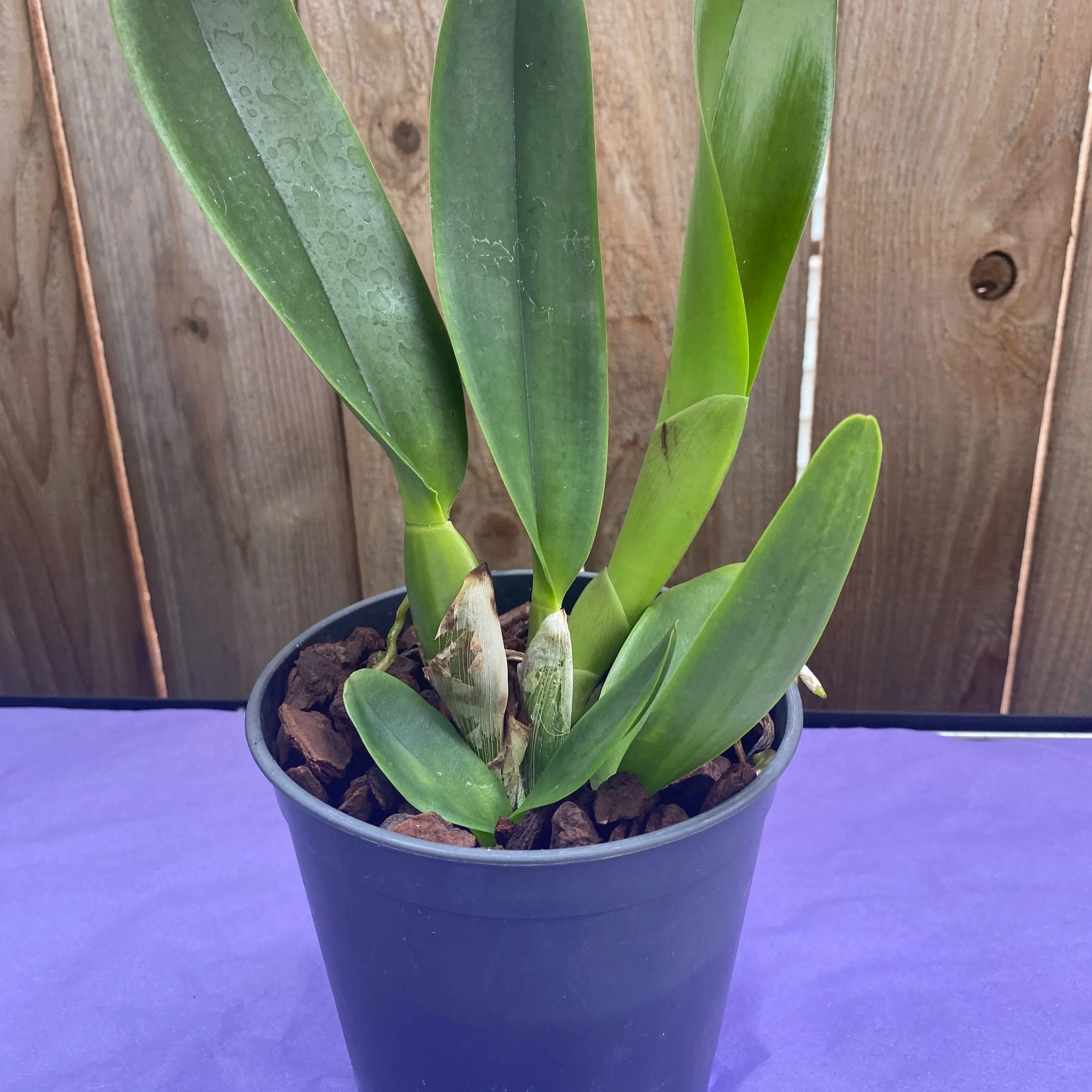
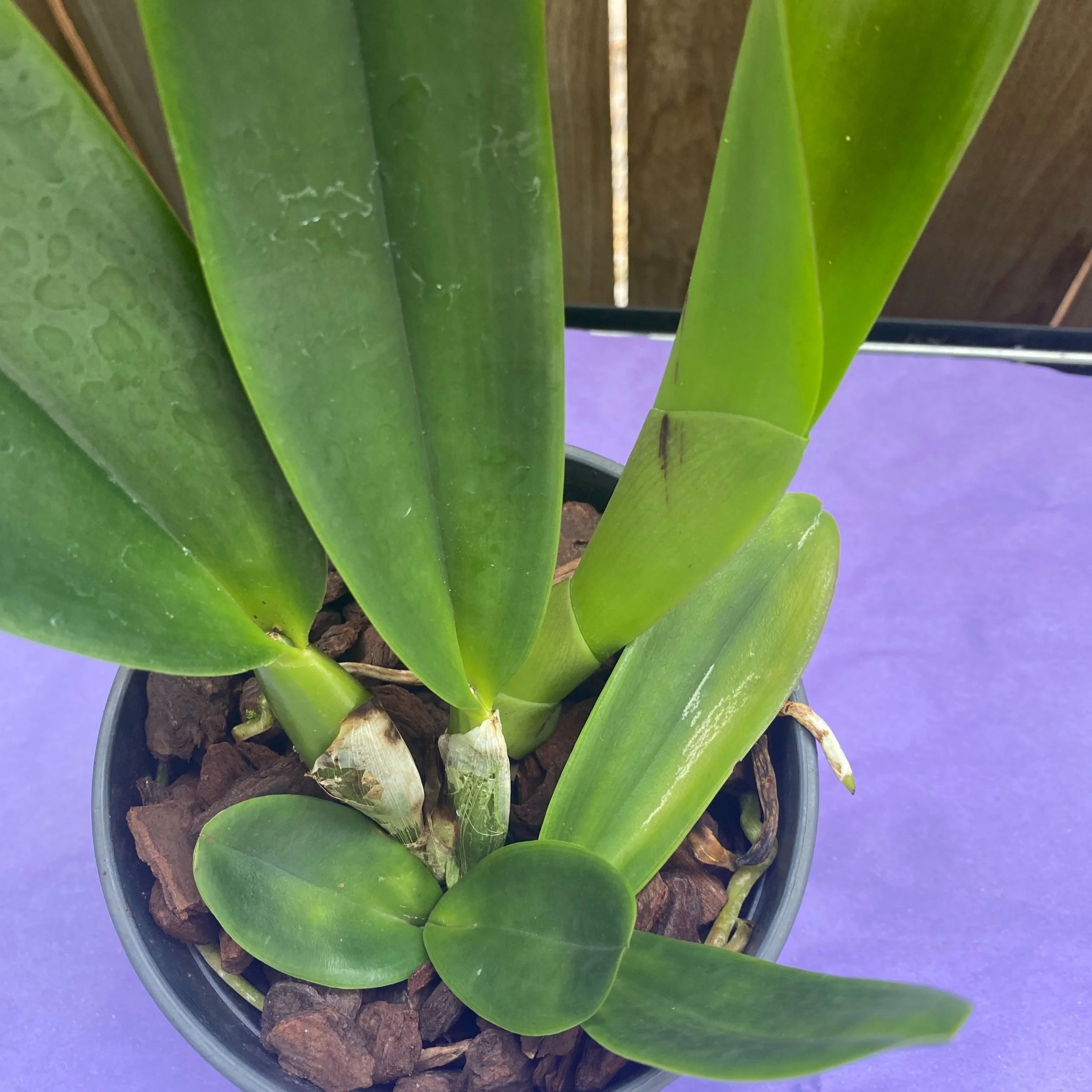
Use a coarse, well-draining mix such as large-bark, perlite, and charcoal or a specialized Cattleya-type mix. Repot every 2–3 years or when the media breaks down, ideally after flowering in spring. Choose a pot that provides stability but does not retain excessive moisture—plastic, clay, or slotted baskets all work depending on your watering style.
Fertilizing
Use a balanced orchid fertilizer (20-20-20 or similar) at quarter to half strength every 1–2 weeks during active growth. Reduce to monthly and/or lower strength in winter or the plant’s slower growth periods. Occasionally use a bloom-boosting formula higher in phosphorus during the lead-up to spike development.
Blooming & Spike Care
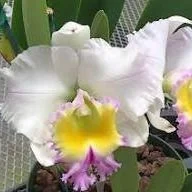
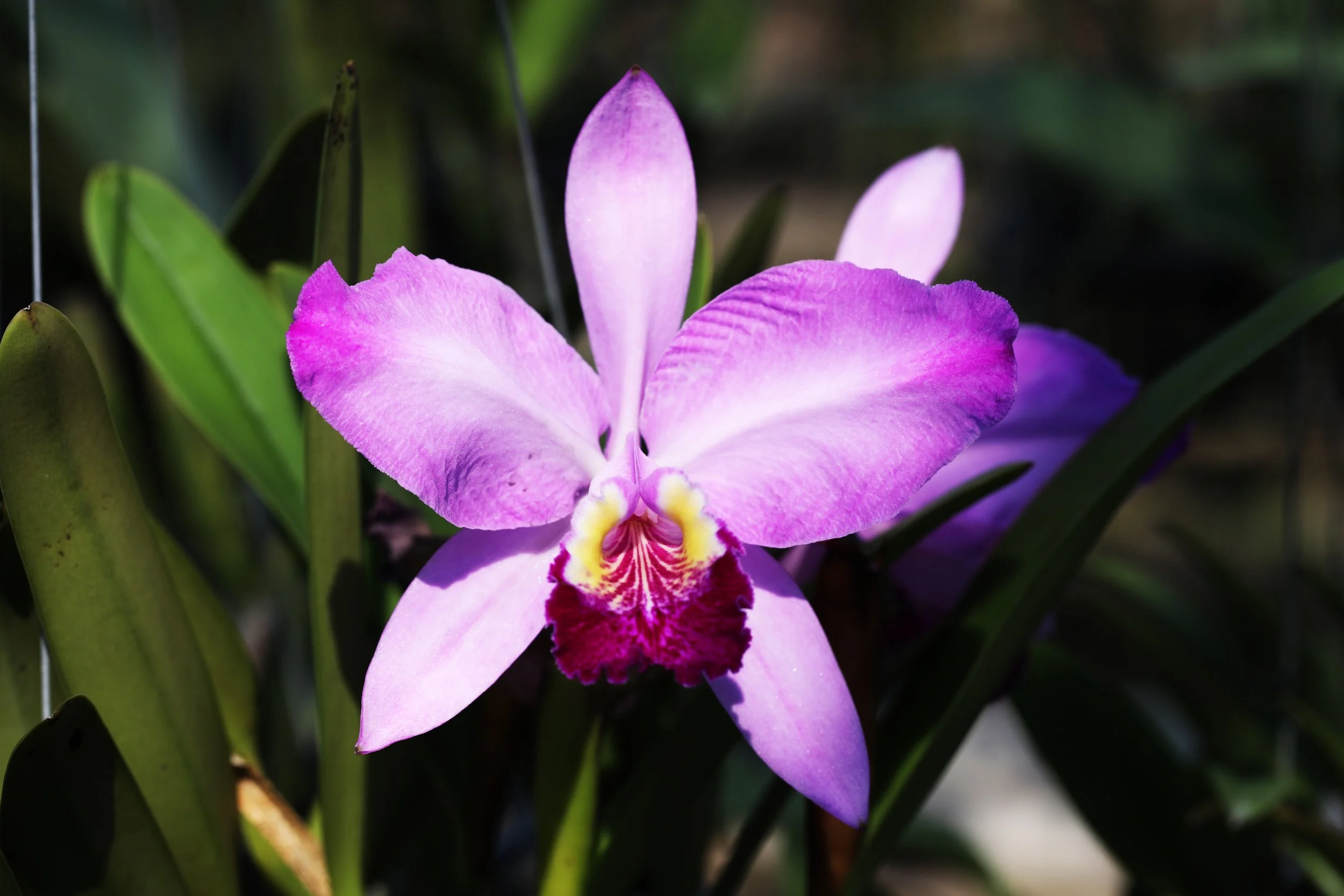
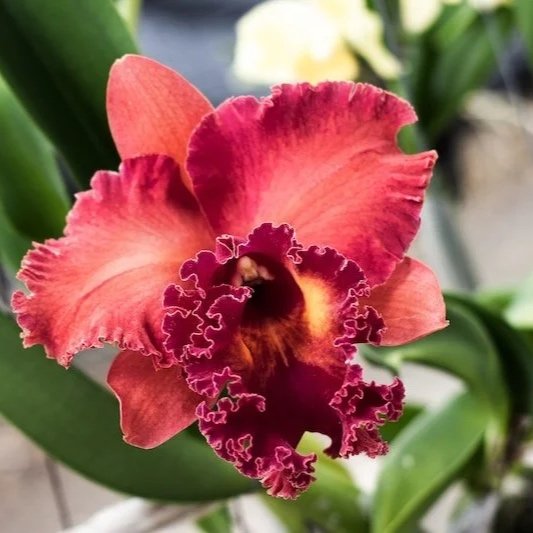
Rlc. Thelma Ayako Tsukamoto typically produces large, showy Cattleya-type blooms. Encourage spikes with consistent day/night temperature differences and sufficient light. Once a spike forms, continue regular care—avoid disturbing the bulbous pseudobulbs.
Pests & Disease
Inspect regularly for scale, mealybugs, spider mites, and aphids. Treat infestations promptly with insecticidal soap or horticultural oil, and isolate affected plants. Prevent rot by avoiding overwatering and ensuring good airflow; trim any black or mushy roots or pseudobulbs.
Rest & Seasonal Cues
Many Cattleya hybrids have a rest or slower growth phase after blooming. During this time, reduce watering slightly and cut back fertilizer frequency. Resume fuller care when new roots or growths appear.
General Tips
Provide at least 4–6 hours of bright light daily for best flowering.
Maintain clean pots and tools to reduce disease transmission.
Keep a growth journal: note bloom times, repotting dates, and fertilizer schedule to refine care for your plant’s specific conditions.
If leaves yellow from the bottom while new growth is healthy, that’s normal aging; if upper leaves yellow, reassess light, water, and root health.
O’Dowds Orchids cares about your success—proper light, balanced watering, and seasonal attention will keep your Rlc. Thelma Ayako Tsukamoto ‘Volcano Queen’ healthy and rewarded with spectacular blooms.